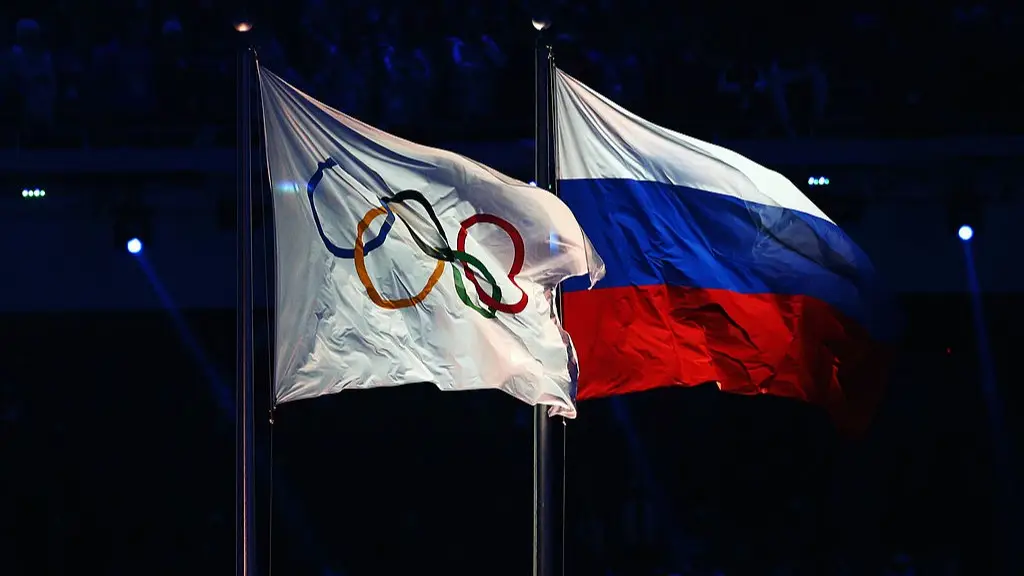
Strict rules Russian athletes must follow to compete in 2026 Olympics despite ban

Russian athletes must follow some strict rules in order to compete in this winter's Olympic Games, which starts tomorrow (6 February).
Despite popular belief, Russia will have sportspeople competing this month, under one condition.
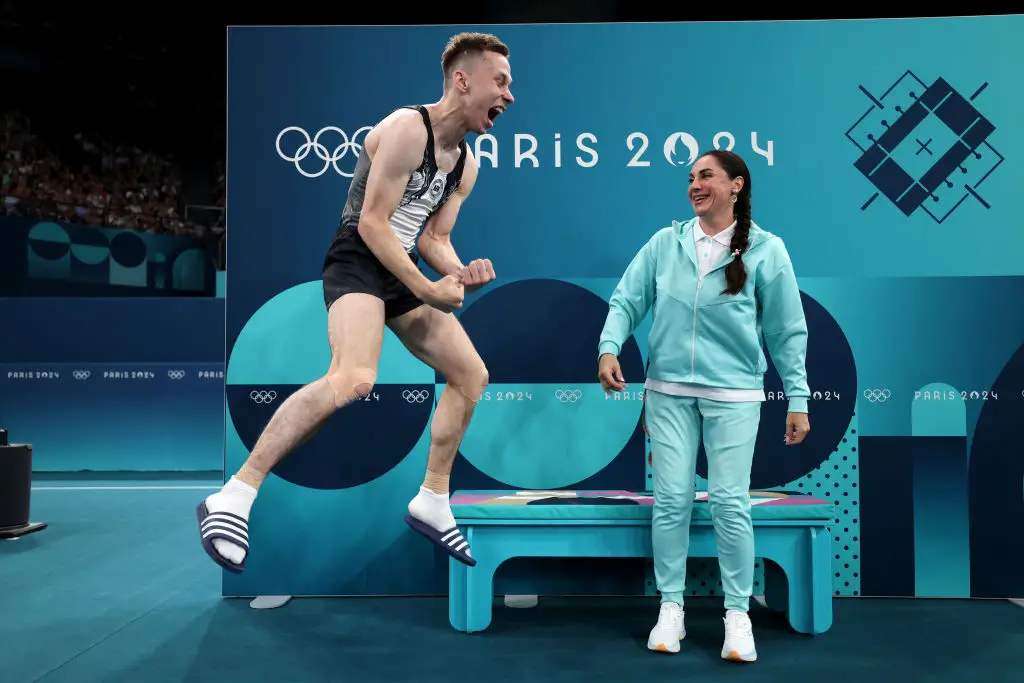
If you cast your mind back to the 2024 Summer Olympics, you'll likely remember seeing a group of competitors called the Individual Neutral Athletes (AIN).
This is the team which Russian and Belarusian sportsmen and women will represent for the second Games in a row.
Advert
The two nations were banned from competing in response to the former's invasion of Ukraine in February 2022, as the International Olympic Committee (IOC) even suspended the Russian Olympic Committee in response to the attacks.
Belarus' Olympic Committee was also suspended as the nation publicly supported Russia's geo-political actions.
Russia were separately banned from Tokyo 2020 after a doping scandal, as the country was stripped of 50 medals, though athletes were allowed to compete for the 'Russian Olympic Committee' (ROC) - though this was dismantled after Putin's invasion.
Under a neutral banner, Russian and Belarusian athletes participated in Paris and will do the same in Milan and Cortina.
This winter, 20 individuals are set to compete for AIN (13 from Russia and 7 from Belarus).
Rules in place for AIN athletes
Nothing representing their nations
No Russian and Belarusian flags, national anthems or uniforms will be permitted.
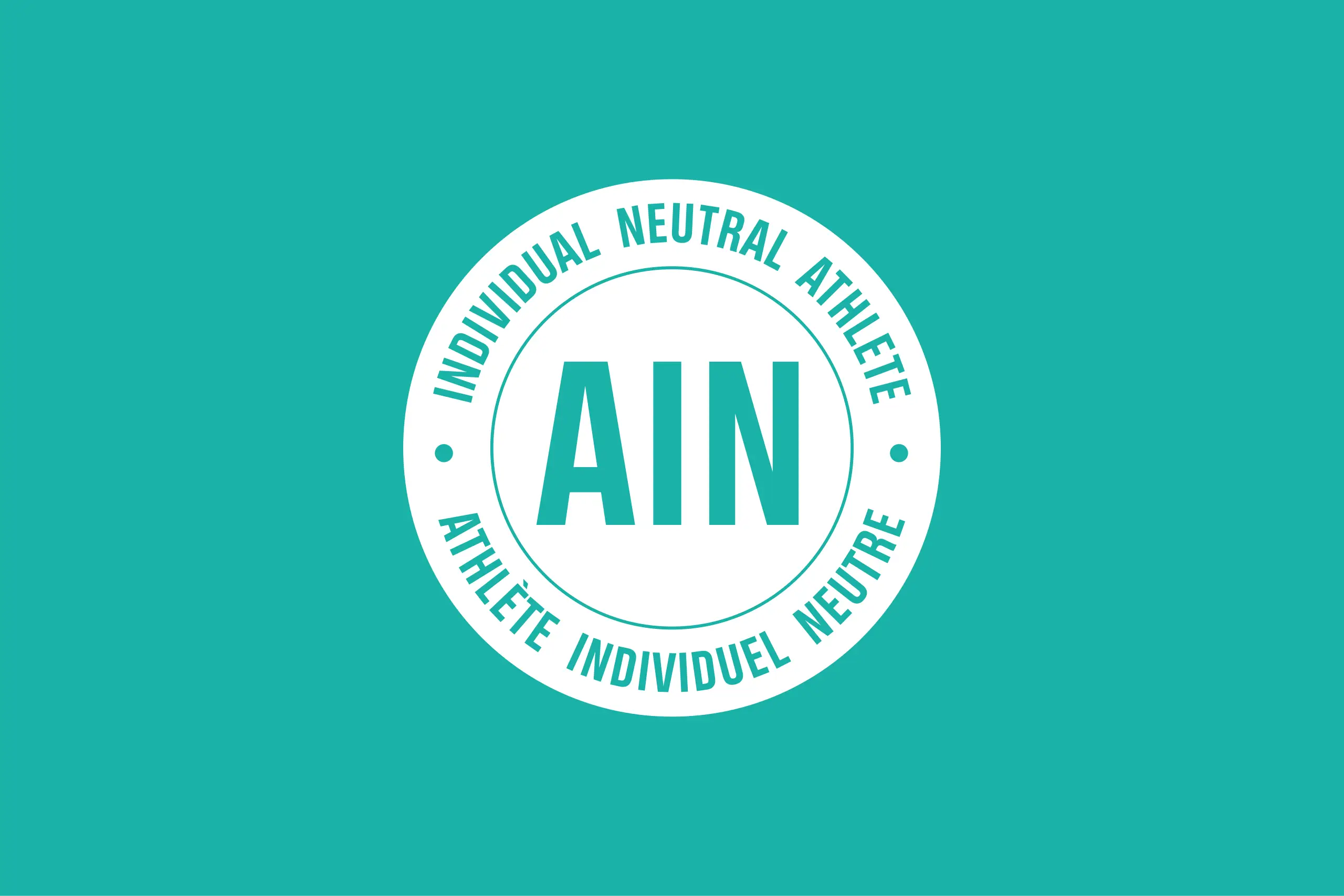
Instead, the flag used will be the same teal-coloured one used at the 2026 Olympics.
No state officials from these nations will be allowed into the Games, following the same rules put in place in 2024.
The circular AIN emblem will be used if the athletes win a medal, and a one-off instrumental will be played if they win gold.
Neutrality
These athletes must compete as 'Individual Neutral Athletes', with medals won being credited to AIN and not their home nations.
This also means that AIN athletes are not allowed to participate in the athlete parades during the opening ceremony.
Vetting by a committee
AIN athletes will need to be background checked before competing by each sport's international federation, in a special panel made by the IOC known as the Individual Neutral Athlete Eligibility Review Panel (AINERP).
No military links
They must be adjudged to be against the war in Ukraine, with no ties to any Russian or Belarusian military or security agencies.
Remaining ban
Russia continue to be banned from team sports at the Olympics, as other major sports federations have also followed suit since the nation's invasion of Ukraine.
Approved athletes
The IOC have approved 20 AIN athletes, with a couple of newly approved athletes joining the team in 21-year-old Ivan Posashkov (men's 1,000-metre) and 23-year-old Alena Krylova (women's 500-metre).
Among the existing Russians are figure skaters Adeliia Petrosian and Petr Gumennik, joined by ski mountaineer athlete Nikita Filippov.
Topics: Olympics, Russia, Sport, Winter Olympics, World News
 Joshua Nair