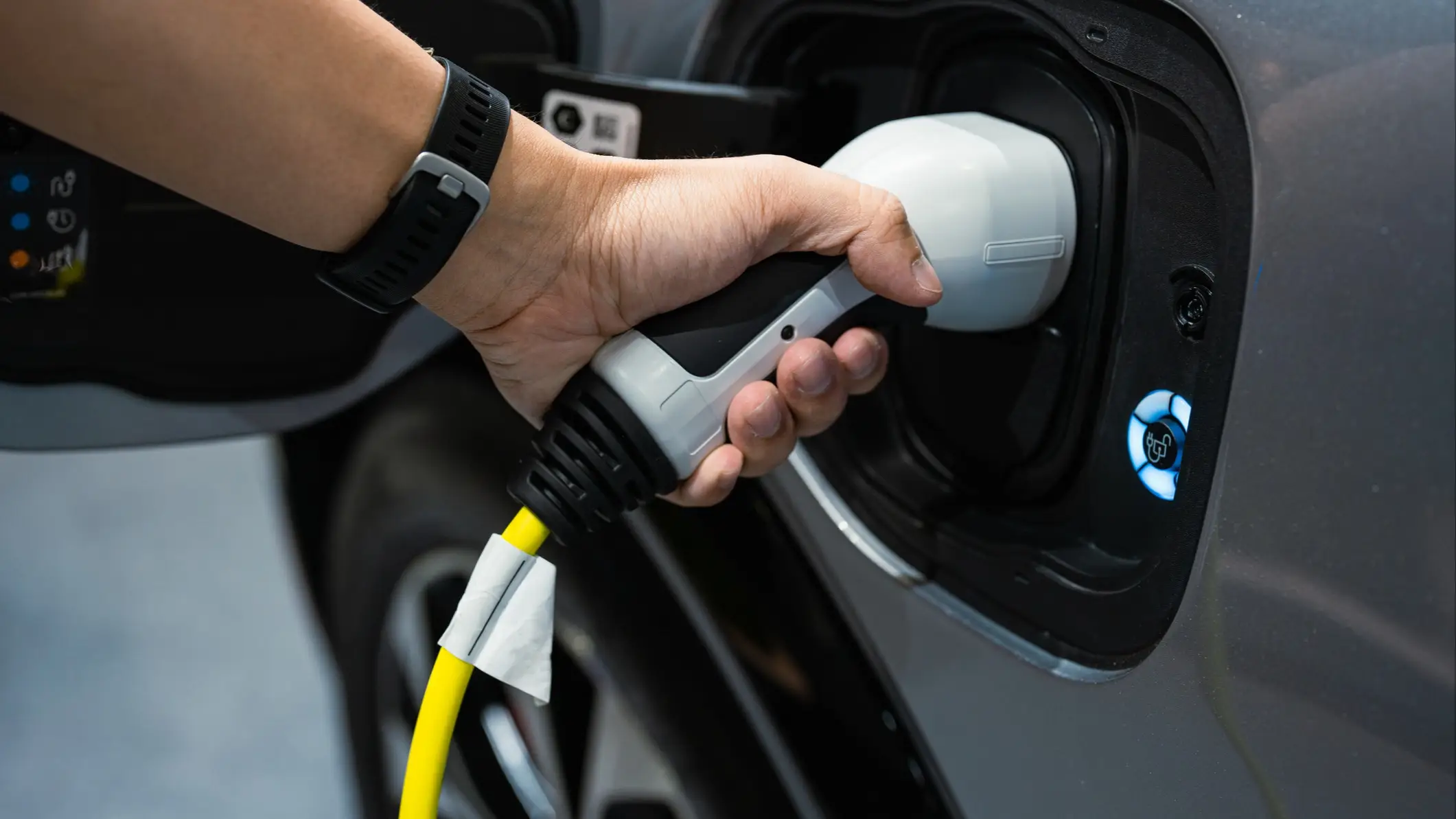
Scientists issue warning about how good electric cars really are for environment

The environmental benefits of electric cars may have been overstated, scientists have claimed.
A new study has examined how much carbon the vehicles save over their lifespan.
Researchers from Queen Mary University shared a report which isn't as hopeful as many electric vehicle owners might hope.
The study says the UK is not geared up for electric vehicles, often referred to as EVs, and because of this they are actually doing more harm than good.
Advert
Many people have splashed out a lot of money on an electric vehicle, thinking they are doing their part to protect the environment and fend off climate change.
The team has issued a 'sanity check' in a new paper, published in the Environmental Research journal, about how much good EVs really do.
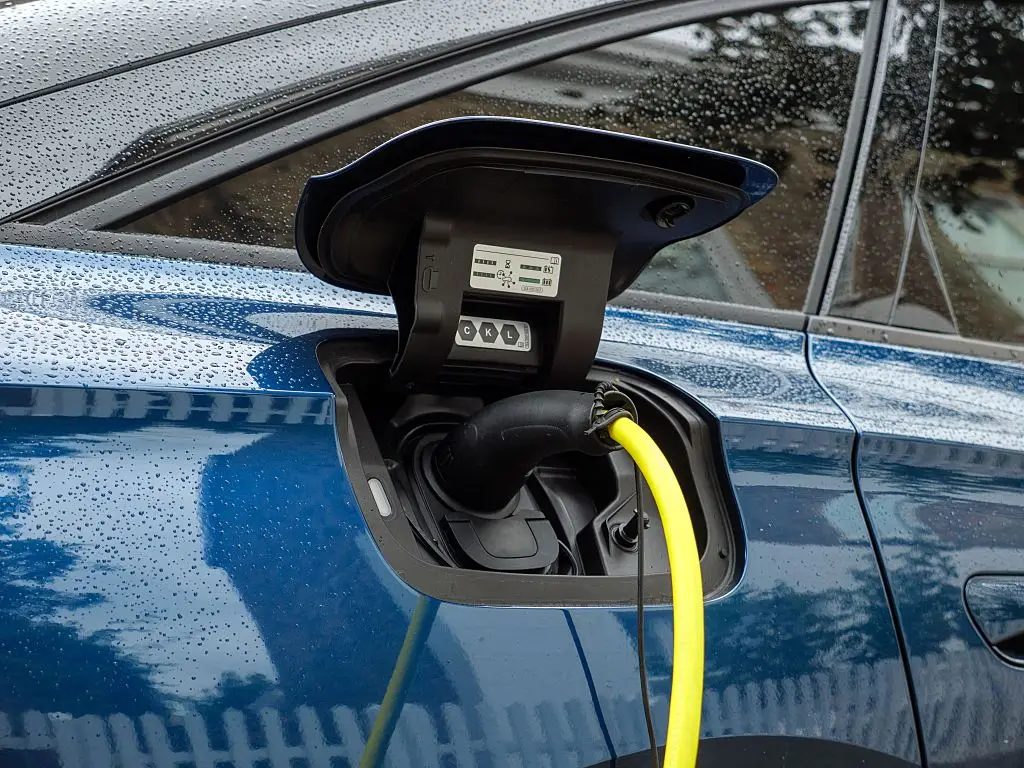
The major issue the scientists highlighted is that the UK's electricity grid hasn't fully switched to renewable energy sources.
Due to this fact, electric vehicles in the UK 'run almost entirely on fossil fuel burnt at power stations'.
The scientists have come to a conclusion which might surprise many people, as they have said hybrid or efficient diesel cars are actually the best options for the environment.
Co-author of the report, Professor Alan Drew said: "The UK urgently needs to rethink its priorities.
"EVs and heat pumps will be valuable later – but for now, we must stop pretending they are reducing emissions when the data shows they aren't."
They say the UK 'needs to spend less time and resources promoting EVs and more on improving the grid itself'.
As well as electric vehicles, the paper also questions how much emphasis has been put on wind farms and solar panels, when taking the UK's climate and weather into account.
They said the effectiveness of the methods varies hugely, and how the weather impacts them has been 'grossly underestimated' in the government's plans.
The experts pointed out that on cloudy or still days, there is a large gap in the amount of energy generated.
Due to this, this energy shortfall has to be met by gas-fired power stations instead.
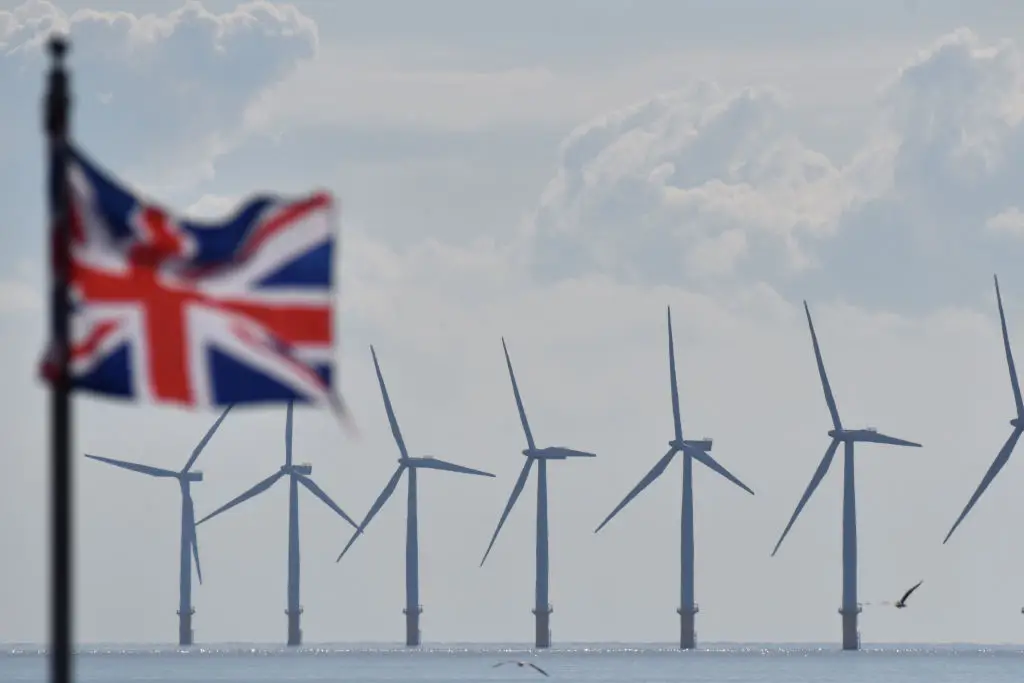
During these 'gaps', electric vehicles actually put more pressure on the grid, and more fossil fuels are burned in order to provide the extra electricity needed, which the solar panels or wind farms aren't generating.
The report essentially says that instead of reducing the carbon output, buying an EV actually adds more stress onto the electric grid, and burns more fossil fuel.
The authors say EVs just push the Co2 generation back from the act of driving, to the grid level instead.
Back in 2024, the government said the goal to decarbonise British electricity generation was going to be five years earlier than originally suggested, moving from 2035 to 2030.
In order to do this, there would need to be 43 to 50 GW of offshore wind power generated, along with 27 to 29 GW of onshore wind power, plus 45 to 47 GW of solar power.
The authors say the best thing the government could do would be install more wind and solar power, as the 'gaps' need to be filled without fossil fuel.
Professor Drew said: "The real work right now is strengthening the grid, building renewables and addressing the enormous challenge [of] storage for surplus electricity that renewables create."
Topics: Science, Environment, Tesla, UK News
 Jen Thomas