BBC will broadcast terrifying advice to Brits if 'black sky event' hits UK

The UK government has scripts for messages that will be broadcast in the event of a 'black sky event'.
A 'black sky event' is where there is a sustain collapse of public infrastructure which could have a catastrophic impact on the country.
This could be something like a mass power outage affecting the whole country, or the internet being completely shut off in the UK.
In the event of something like this happening, the government even has a series of messages in place which will be broadcast to help keep people safe.
Advert
The scripts are health advice which has been put together by the four chief health officers in the UK, and provides general advice on public health subjects.
They provide a strange insight into what the world might look like if the UK were to face a huge power outage on the national grid.
The UK government website explains that these are not a part of UK government policy, they are put together as public health programmes separate from that.
There are three scripts on the website, one with information about clean water, one about food and nutrition, and one on keeping warm or cool, which would be broadcast if the temperature drops below -2 degrees celsius during a power outage.
All three scripts have a slight variation for the first day of such an event, and an updated script repeating the same information on subsequent days.
This includes an introduction on all three scripts, which says: "Hello, this is [insert name], Chief Medical Officer/other for [insert nation]. I am about to provide you with important information. You may want to write this down so that you can refer to it later. We will be repeating this advice regularly.
"We have planned in case this extraordinary situation happened and this advice has been created by doctors and scientists to help keep you and your family healthy."
But how exactly would this message actually get out?
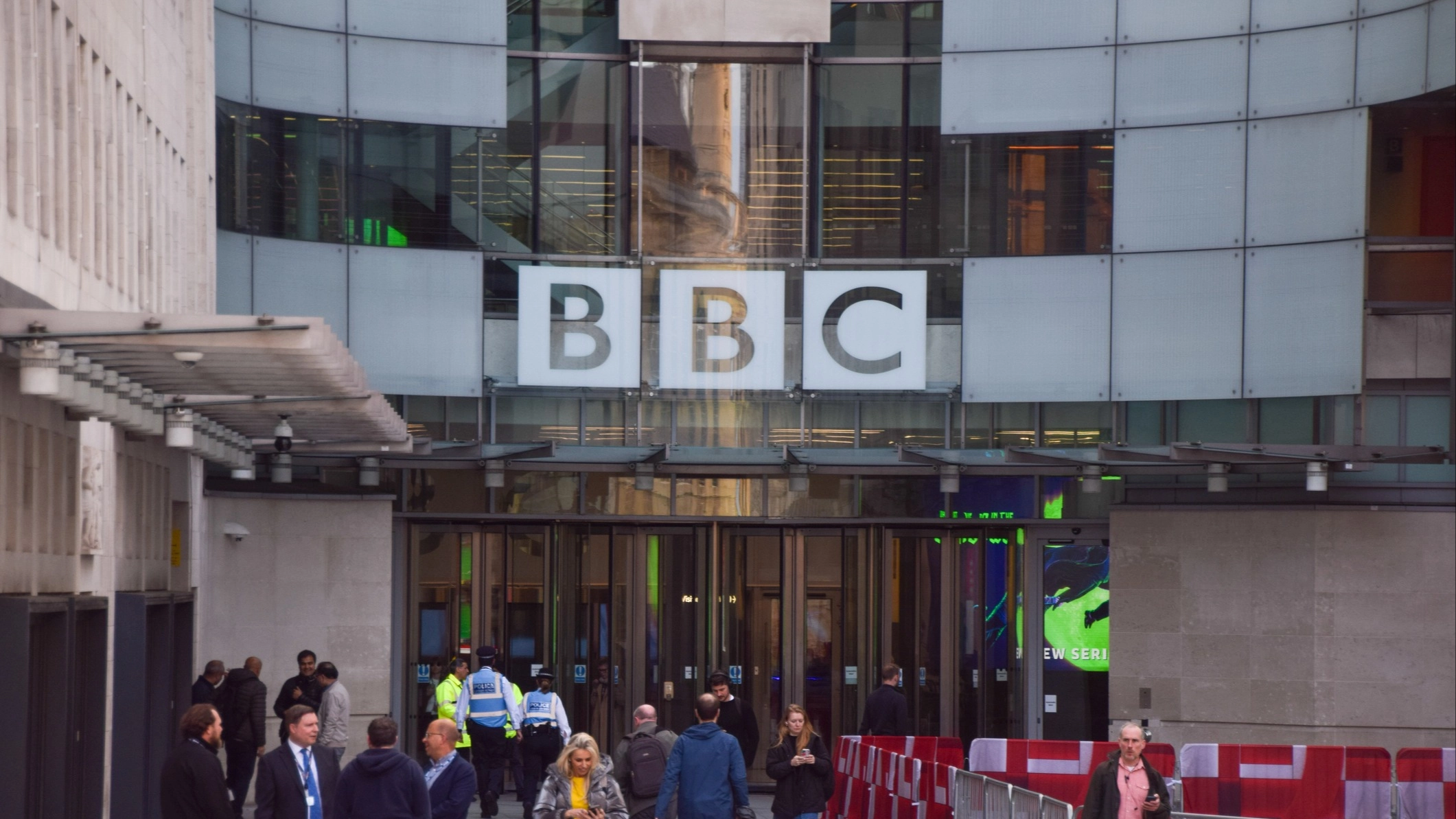
Well the BBC has its own plan for 'Black Sky' to ensure that emergency messages can still be broadcast out.
According to BBC reporting, around 100 people would be involved in a 'special emergency radio studio'.
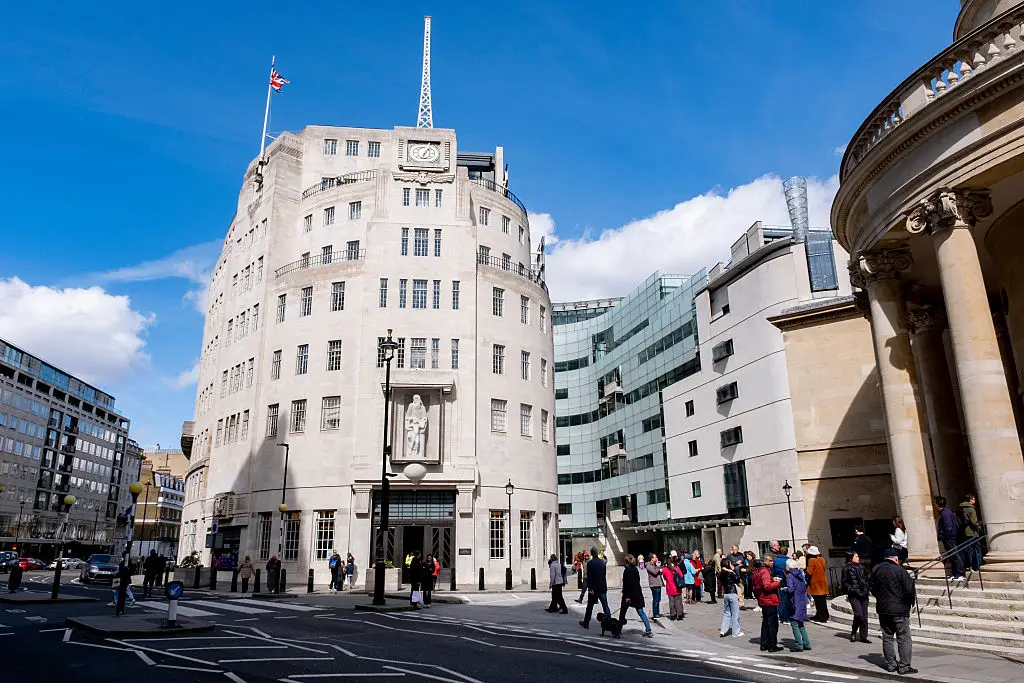
This would have a line of power which is separate from the power grid which can operate independently for up to three days without needing to be refuelled.
It's from this emergency studio that the messages would be broadcast, and the sheer level of precautions taken is quite something.
Generators would run on around 40,000 litres of diesel, enough to keep them running four around three days, as well as enough supplies for the staff themselves to keep things running during that time.
There are also satellite phones to maintain contact between the people running the various stations across the UK.
And as for why they chose to use FM broadcast, it's because FM is far easier to access than other forms of broadcast.
A digital broadcast may not work in the same way, but if you have a portable FM radio then this could pick up the signal, or you could use an FM radio in a car for example, and with a message like this ensuring that the message is as easy as possible to hear is paramount.
 Kit Roberts