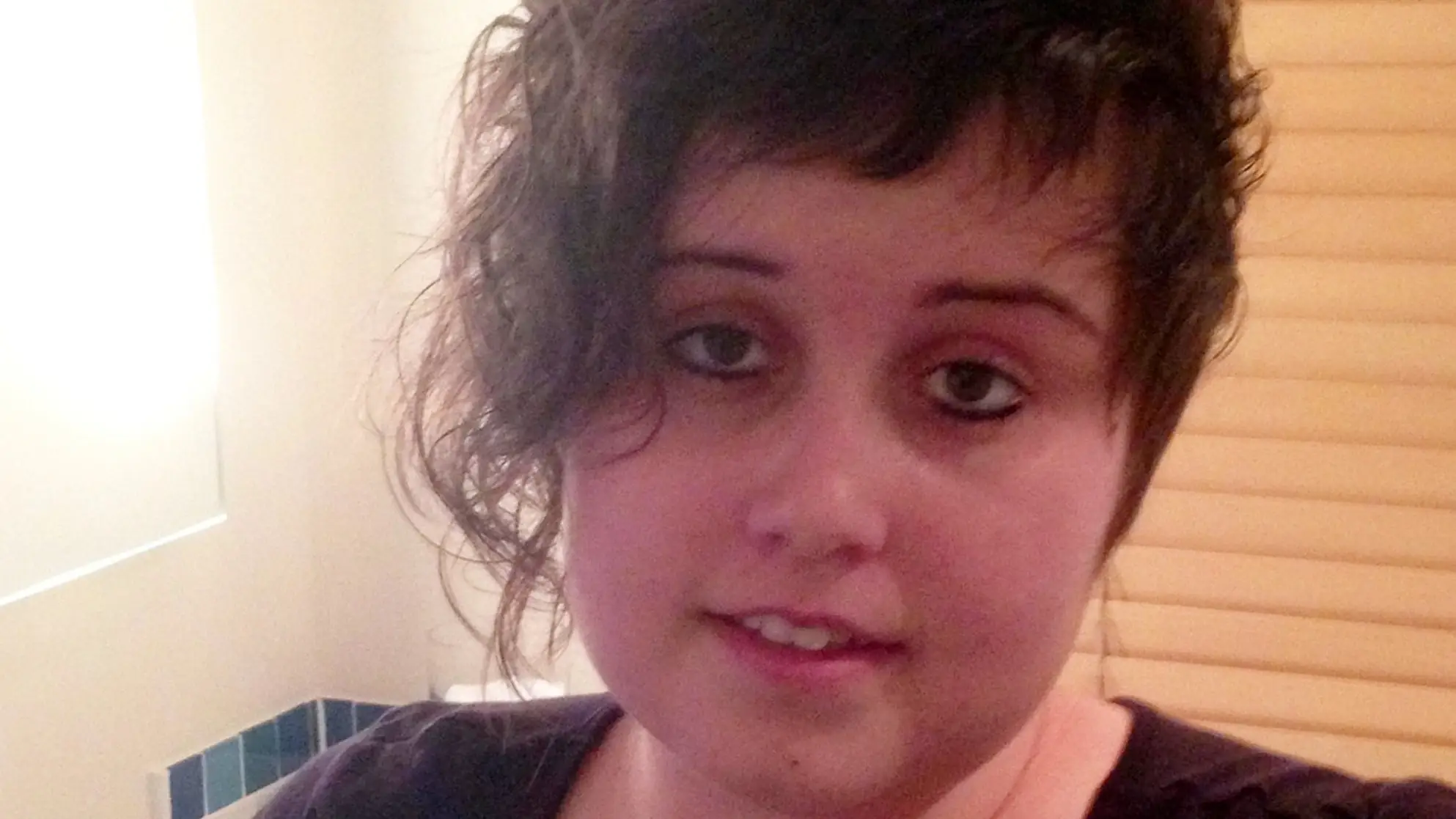
Woman given 11 years of chemotherapy for terminal cancer she didn't have

A mum was told she had just a year left to live and underwent 11 years of gruelling chemotherapy for a cancer she never had.
Becky Jones says she was informed by doctors she had a terminal grade 4 glioblastoma in 2012, with specialists predicting she had between six and 12 months to live.
The mum-of-two said doctors had rushed her into treatment before the results of her biopsy had been investigated properly, resulting in more than ten years taking chemotherapy drug temozolomide (TMZ).
She also claimed she underwent radiotherapy over the terminal diagnosis, which was later revealed to be inflammation of the brain that could've been treated with steroids.
Advert
She has now launched legal action over her treatment at University Hospitals Coventry and Warwickshire.
“I was initially told I would live six to 12 months and would never be able to have children," Becky explained. "I was told if I didn't keep taking the chemotherapy I would die.”

Becky underwent various scans in 2012 after suffering migraines, and a mass on her brain was revealed. Doctors then decided she needed a biopsy.
“I was transferred to UHCW and they decided glioblastoma grade 4," she said. “When the results came back it was either a lesion, an infection or a tumefactive demyelination.
“But instead of going ahead with the investigative work, they went straight into chemotherapy.”
She began a week of chemotherapy, before six weeks of radiotherapy, before being placed back on TMZ. Now, Becky claims experts have confirmed she actually had tumefactive demyelination, a rare condition which can mimic a brain tumour.
Becky estimates she endured 156 cycles of chemotherapy and says the treatment left her suffering nausea, fatigue, depression, anxiety, ulcers, stomach pain and possible early menopause.
She said: “I was receiving treatment for 11 years, around 156 cycles chemotherapy. I had nausea, fatigue, depression and I was anxious all the time and had ulcers.
“I had stomach pains and constipation, and there’s a possibility that I've gone into early menopause.”
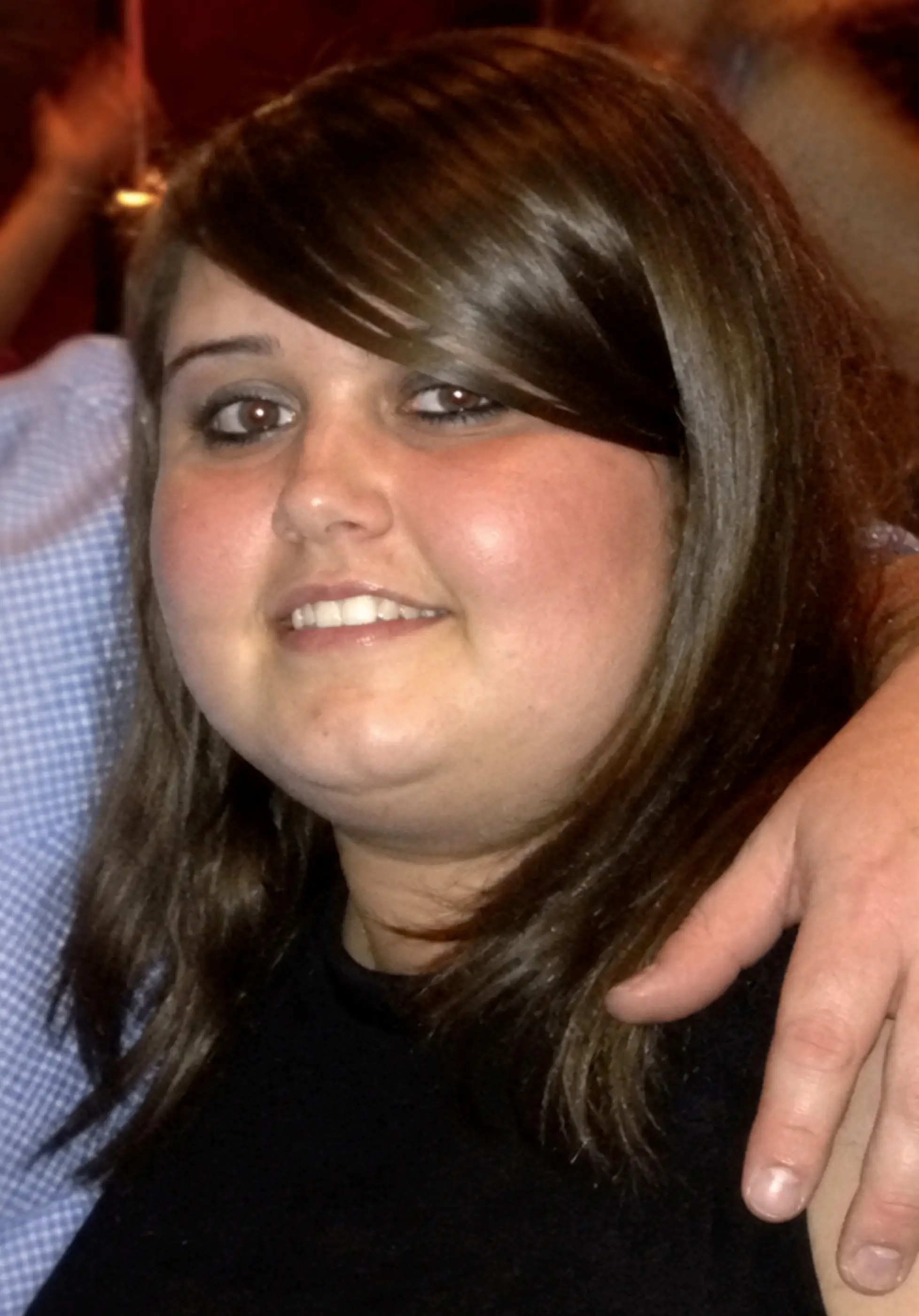
The former CCTV operator says the treatment also robbed her of career opportunities. Her driving licence was revoked for two years and she says she was unable to pursue ambitions of joining the police.
She said: “I wanted to go into the police, but I couldn't do that. I was wanting to become an officer on the front lines but because of my biopsy, I was told I couldn't join.”
The mum says the diagnosis also devastated her personal life. She was warned food poisoning could be dangerous because of chemotherapy, stopped attending family events and unnecessarily shielded during the Covid pandemic.
Her own mum was also tragically diagnosed with cancer as Becky said: “At times when I didn’t need to be locked in home with cancer I didn’t have, I could have spent time with her instead - which is hard.”
After years of clear MRI scans, Becky finally began questioning her diagnosis in 2025. She had stopped taking TMZ in March 2024 after receiving a phone call informing her that the treatment would cease following Prof Brown’s retirement.
She said: “I’d asked them before if I had a brain tumour, but I believed everything they said to me. They said the chemotherapy was keeping me alive, and I believed them, why not.”
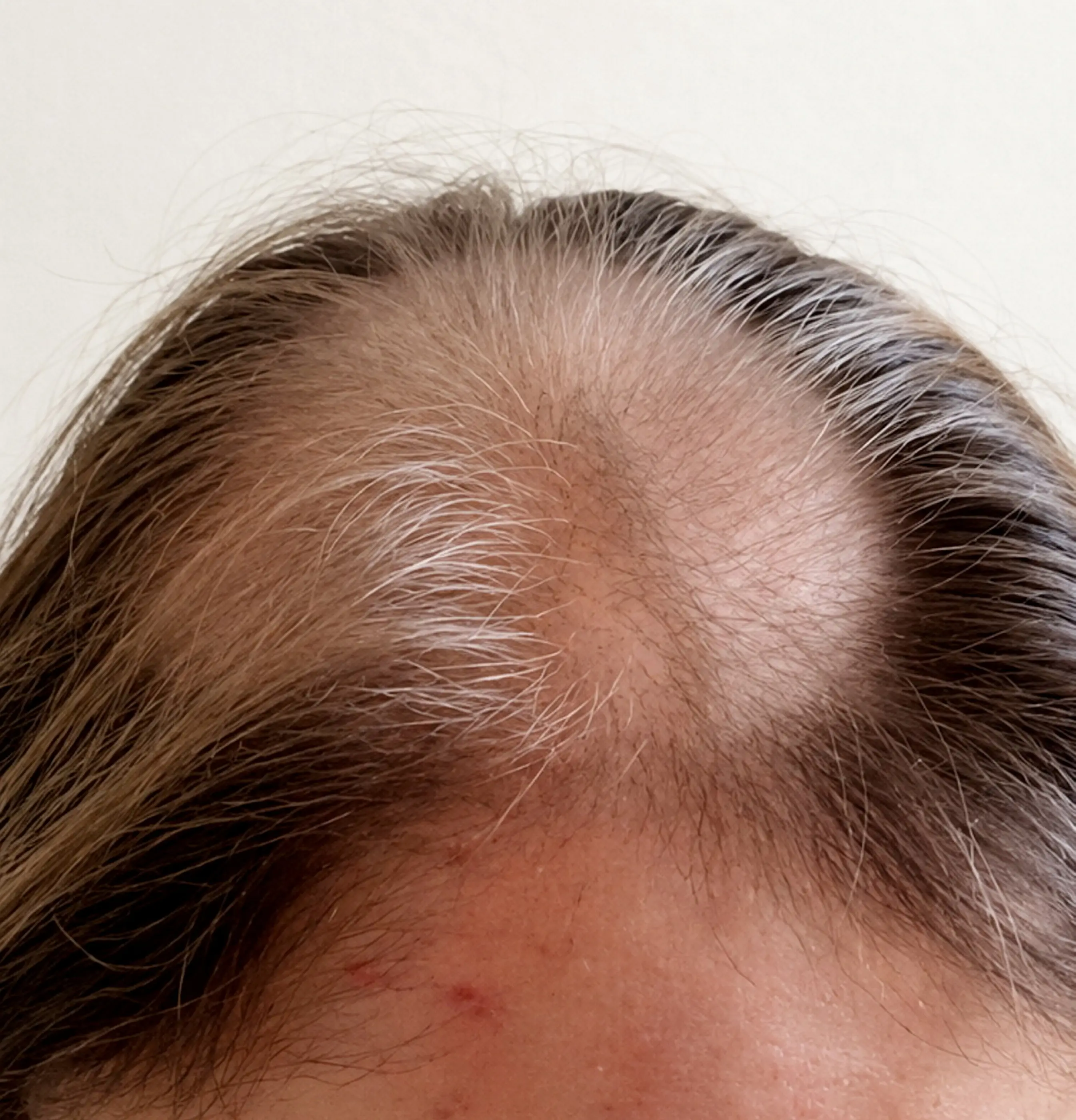
Following expert reviews arranged by law firm Brabners, Becky was told her biopsy findings were consistent with tumefactive demyelination.
She said: “I found out over a teams conference with my clinical experts two weeks ago that I didn’t have a tumour.
“It had been expected but until someone tells you you’ve never had cancer that’s when it really hits you. There were so many people involved."
The UHCW said all affected patients had been reviewed by senior clinicians 'with appropriate care plans put in place'.
More than 40 patients and their families are taking legal action over allegations of prolonged or unnecessary cancer treatment.
A spokesperson for University Hospitals Coventry and Warwickshire told LADbible: “Following concerns raised about the use of extended adjuvant temozolomide (TMZ) chemotherapy in the treatment of high-grade brain tumours, including glioblastomas, and the care provided by retired neuro-oncology consultant Ian Brown, the Trust has commissioned an independent review by the Royal College of Physicians (RCP).
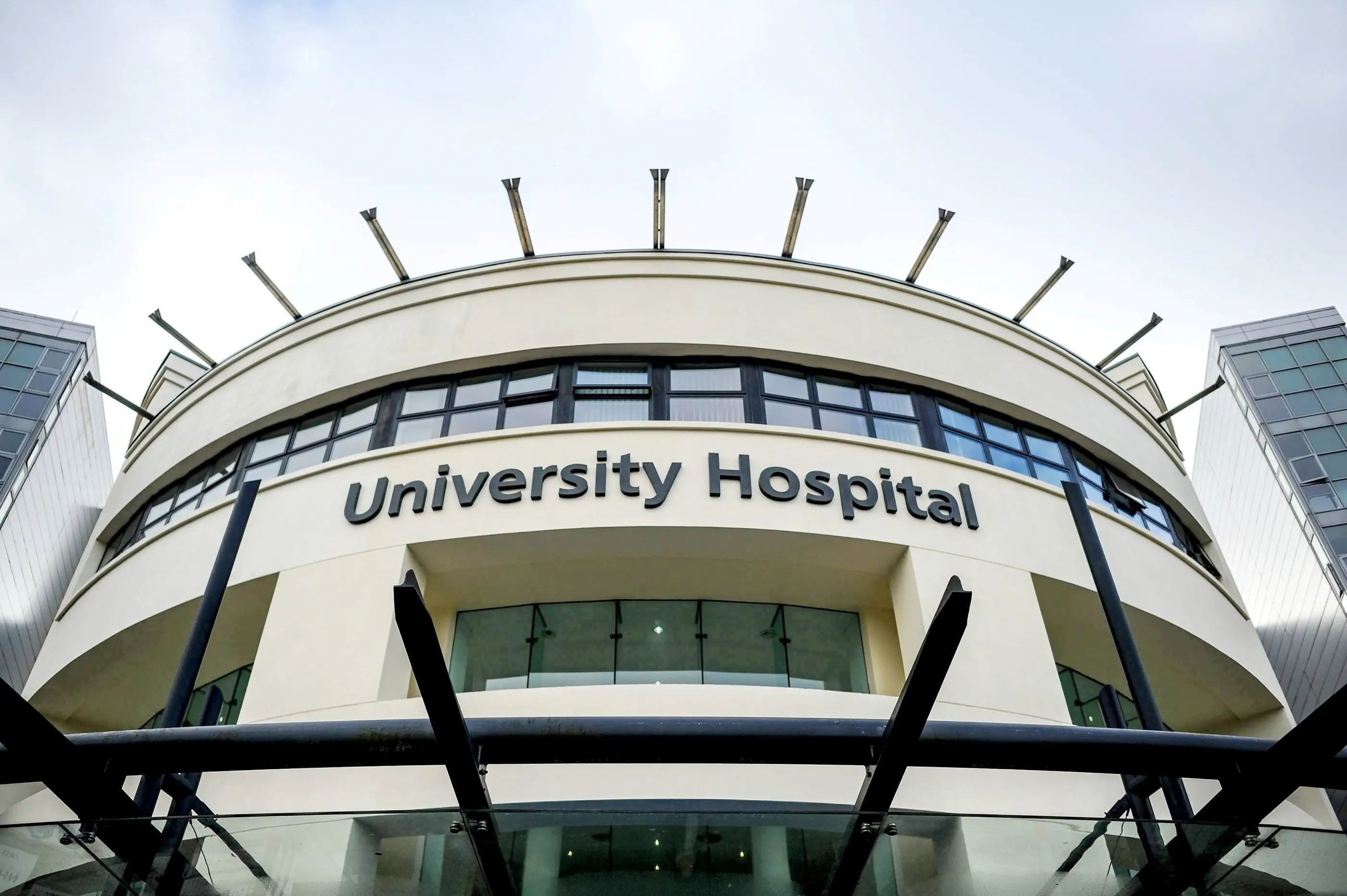
“The review will be published later in the Autumn. While we await the review, we have already put in place actions, informed by initial feedback, to ensure more robust oversight of the prescription and use of TMZ and ensure patient safety.
“All patients receiving TMZ at the time of Ian Brown’s retirement have been reviewed by senior clinicians, with appropriate care plans put in place.
“We are also undertaking an independent review of our speak up processes, led by an independent party, to ensure staff feel fully supported and confident in raising any concerns. The Trust will assess the full RCP review when it is published and will take further appropriate action based on its findings.
“To protect patient privacy, we are unable to comment on individual patient care. However, if any patients have concerns about their treatment or care they are encouraged to contact the Trust's Patient Relations Service, who can provide support and ensure their questions and concerns are addressed appropriately.
“We want to reassure our community that patient safety, experience and wellbeing remain our top priorities."
 James Holt