'Dangerous' crocodile and snake found at suburban UK address

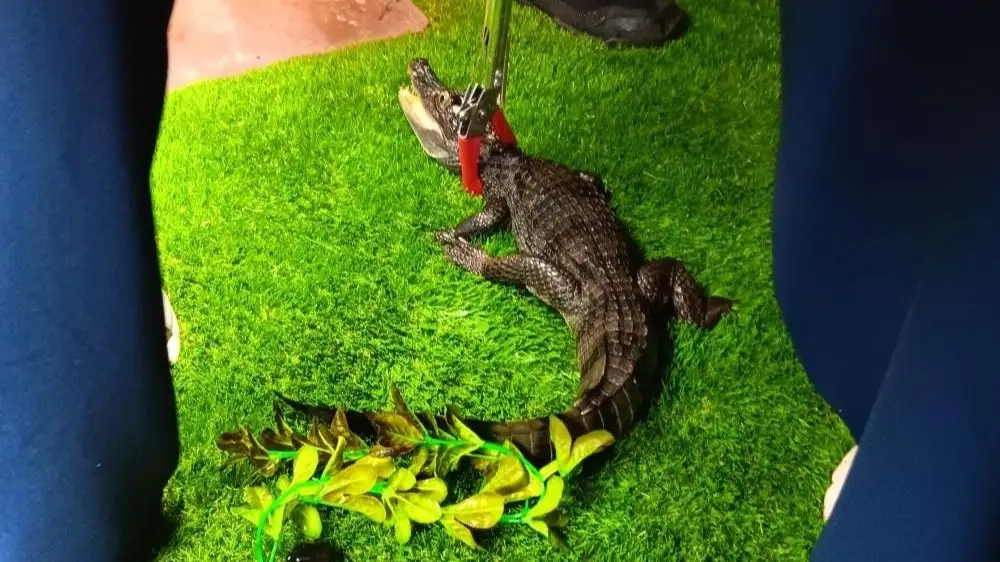
An unusual pet has been relocated to a new home after authorities seized it from the home of its previous owner and took it away, which they did because this animal is a crocodile.
Trafford Council, Greater Manchester Police and the RSPCA searched a house in Hale after reports that the person living there was keeping a crocodile as a pet.
When they entered the house they found a water enclosure at the home where Lyle the spectacled caiman was living, and the crocodile is classed as a dangerous creature under the Dangerous Wild Animal Act 1976.
As such they had to take Lyle away from his enclosure, while authorities also apprehended another reptile at the residence as they also took away a python for assessment.
Advert
Since you can't keep crocodiles as pets both animals were taken to a local vet with expertise of dealing with reptiles, and last week (17 September) Lyle was transferred to a suitable zoo.
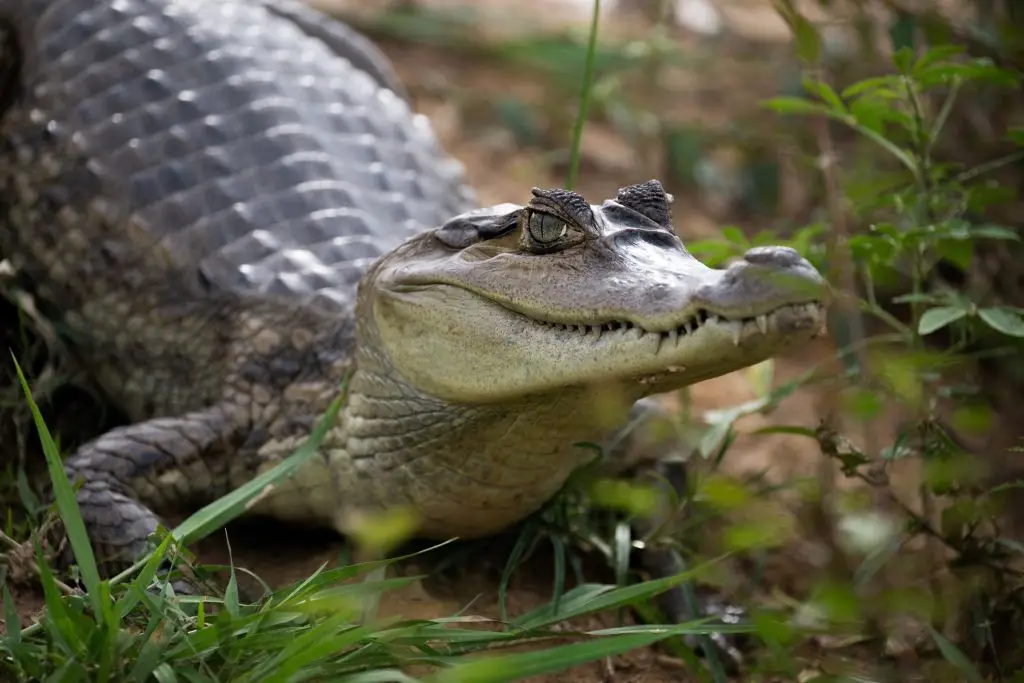
Caimans can grow larger than two metres in length and have sharp teeth that combine with a powerful bite to make them a very dangerous animal indeed.
Typically found in South America, a semi-detached house in Hale is not their preferred habitat.
Councillor Keleigh Glenton said: "The Council works hard to protect our neighbourhoods from a wide range of potential problems and safety threats.
"Thanks to the work of our environmental health team and partners, the caiman has been carefully removed.
"Species like this require sensitive, expert handling and proper environments and as such we require any owner to hold a Dangerous Wild Animal Licence. We do not hesitate to take decisive action when rules are not adhered to."
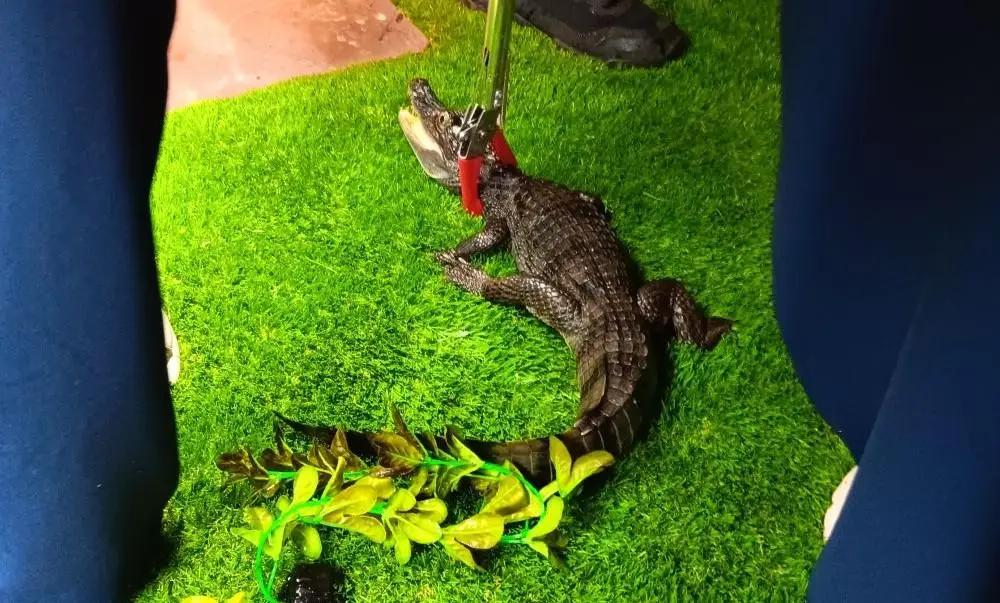
The police said they were glad that the crocodile and snake had been 'safely secured, removed and can now look forward to a brighter future in more suitable accommodation' away from the Hale home.
Evie Button, exotic animals expert with the RSPCA, added that both of the reptiles were 'now receiving specialist care' but highlighted that there were 'so many dangerous wild animals' which are still kept privately across the UK which pose a danger to their owners and themselves.
She said: “These animals have highly specialised physical, behavioural and environmental needs that are incredibly difficult to meet in a domestic setting, meaning their welfare can be severely compromised when they are kept as pets.”
Thousands of wild animals are being kept as pets in habitats which may be entirely unsuitable for them and it takes a lot of work to track them down and relocate them into more suitable living arrangements.
 Joe Harker