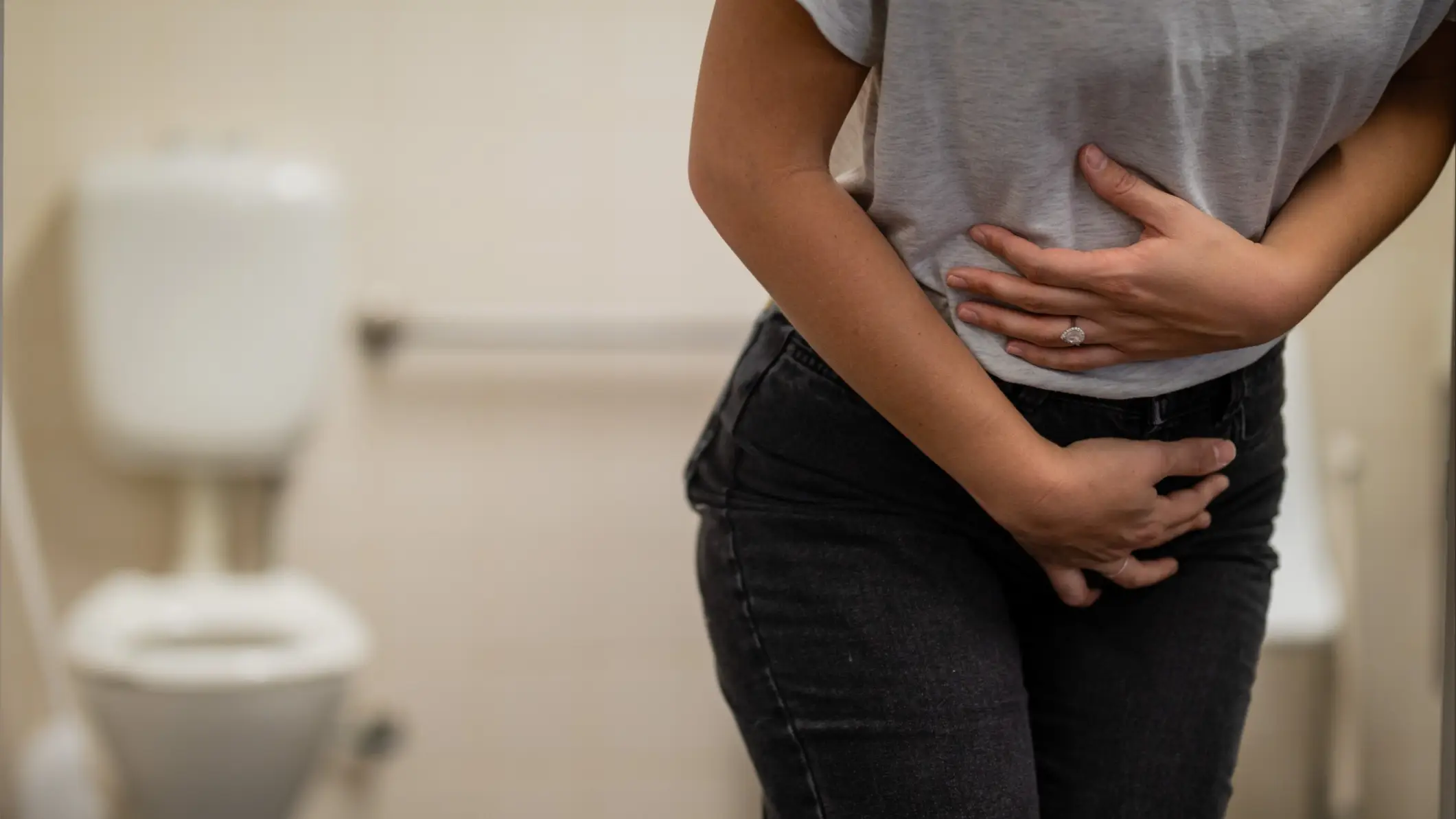
Experts say explosive diarrhoea outbreak is spreading to UK as travellers issued warning

A parasite outbreak which has been seen going hand in hand with explosive diarrhoea has allegedly spread to the UK, causing health officials to issue a notice.
If you've been feeling a little funny today and weak down below, there could be a reason for it.
According to the UK Health Security Agency (UKHSA), there has been a sharp rise in Cyclospora cases in those who have returned from holidays in places like Mexico and the US, with the UKHSA confirming 67 cases of cyclosporiasis in England, Scotland and Wales between 30 April and 15 July 2026.
Considering the cases accumulated in around three months, and the average number is typically 93 cases throughout the whole year...this may be a cause for concern.
Advert
With symptoms that include abdominal cramping, bloating, nausea, flatulence, low-grade fever, loss of appetite, and weight loss, it's important to steer clear of potentially impacted triggers.
“You’re barely able to make it to the toilet,” Dr Alejandro Macías, an epidemiologist and physician at the University of Guanajuato in central Mexico, told The New York Times of what unlucky patients can expect.
While cyclospora doesn’t naturally occur in the UK and you can’t get it from being around someone who is infected, that doesn’t mean you're totally safe.
Because this is prime time for travel, you might just get it abroad, and feel the brunt of it when you're back.
Dr Philip Veal, Consultant in Travel Health at UKHSA, said, per The Independent: “We have recently detected a rise in Cyclospora infections among travellers returning from Mexico. These infections are caused by a parasite and can affect the stomach and intestines."
To try to prevent contamination, he suggested taking precautions when vacationing.

The expert suggested: “Travellers to Mexico and other areas where the infection is more common can reduce their risk by following good food and water hygiene measures, including drinking bottled water and eating thoroughly cooked food, even when staying in high-end all-inclusive resorts. We also advise avoiding certain foods such as fresh uncooked berries and herbs, unpeeled fruit and salad items."
As for if you get it, it's important to listen to your body as he advised: “If you develop symptoms after returning from travel, such as watery diarrhoea, loss of appetite, weight loss, stomach cramps or pain, bloating, increased wind, nausea, fatigue or other flu-like symptoms, please seek medical attention and inform your healthcare professional of your travel history.”
“Cyclospora is a parasite that causes explosive diarrhoea,” the UKHSA explained, which can come from things like 'contaminated food specifically herbs, salad and soft fruit'.
“Infection is acquired via consumption of contaminated food," it added.
“While cyclosporiasis is usually mild and most people improve typically in a few days without any treatment, infections can be more serious or prolonged in people who are immunocompromised and antibiotics may be prescribed,” the UKHSA said.
Basically, if you're abroad and you want to chow down on some good fruits and vegetables, being unhealthy might not be a bad thing right now.
 Britt Jones