What happens next as evacuated British passengers arrive in UK in hantavirus outbreak update

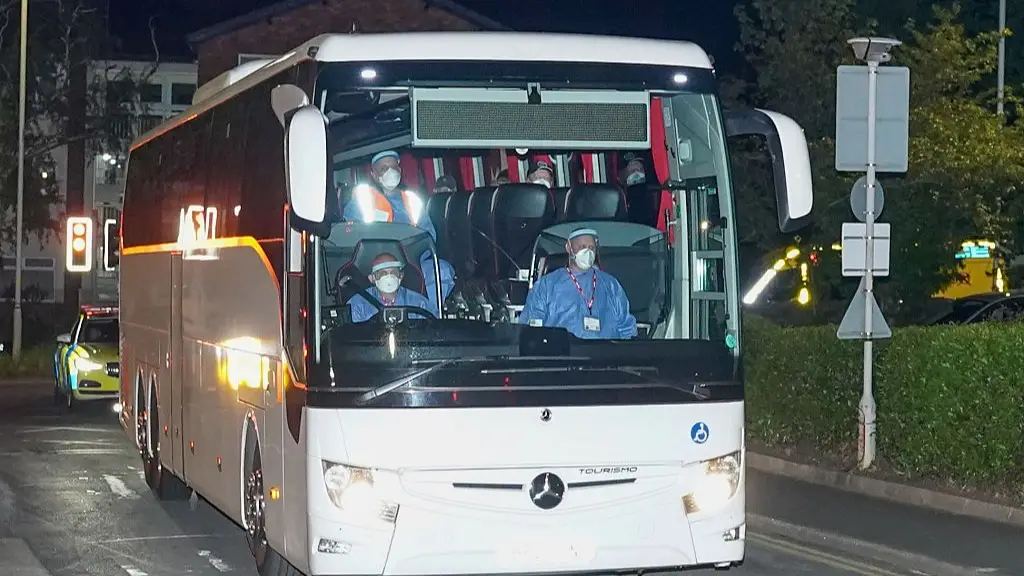
British passengers evacuated from the hantavirus-stricken cruise ship have landed back in the UK – here's what happens next.
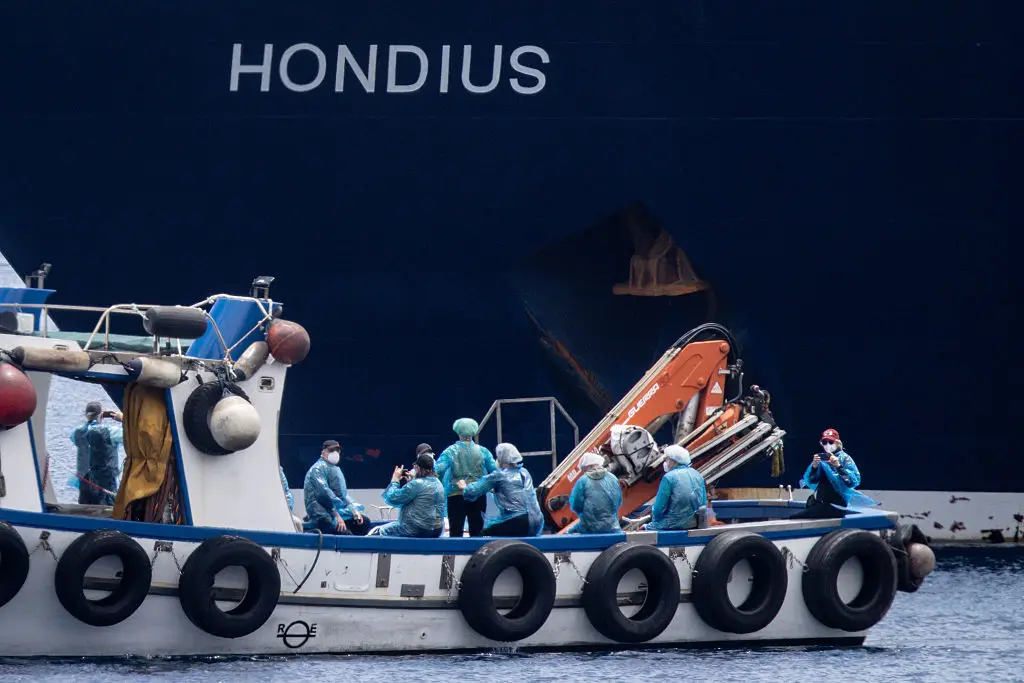
Earlier this month, it emerged there had been an outbreak of hantavirus on board a cruise ship travelling the Atlantic Ocean. According to the most recent World Health Organisation (WHO) figures, there have been a total of eight cases (both suspected and confirmed) and three deaths.
Repatriation is now underway for the remaining passengers and crew, believed to be around 140 people, with a flight carrying British nationals landing at Manchester Airport yesterday (10 May).
Quarantine and self-isolation
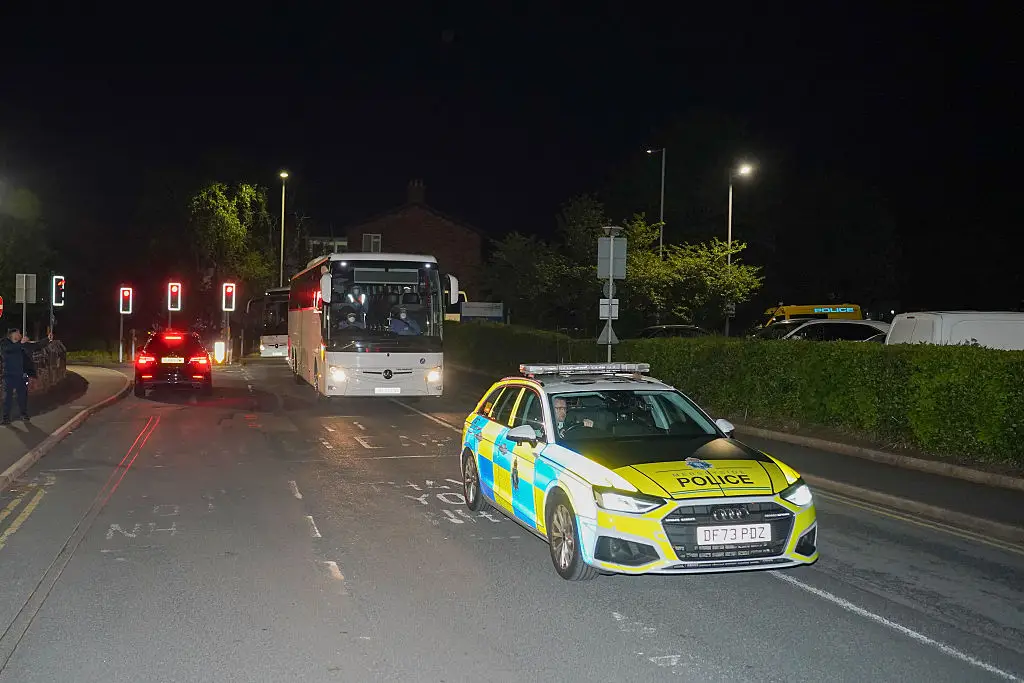
Upon arrival in the UK, the 20 passengers were transported to an isolated wing of the Wirral's Arrowe Park hospital, where they will remain for the next 72 hours while doctors monitor their health.
Advert
If the passengers do not develop symptoms during this time, they will then be allowed to travel home, where they will be expected to self-isolate for a further 42 days.
Meanwhile, a further three British nationals who are either confirmed or suspected to have the virus are currently receiving treatment overseas, they are:
- Martin Anstee, a 56-year-old who is receiving specialist care in the Netherlands after being medically evacuated on Wednesday
- A British national who lives on the remote island of Tristan da Cunha who disembarked the ship at its Saint Helena stop.
- A 69-year-old man who was hospitalised in Johannesburg, South Africa, on 27 April.
The WHO maintains that the risk of hantavirus exposure to the wider public remains low.
Where will returning passengers isolate?
Speaking to the BBC, Janelle Holmes, CEO of Wirral University Teaching Hospital Trust, said the returning Brits would be housed in self-contained flats throughout their stay at Arrowe Park and would be provided with the essentials upon arrival.
The passengers will also be regularly assessed for symptoms, with those who do not present with symptoms of the virus allowed to go home after three days.
UKHSA confirmed that they will not be allowed to travel home via public transport.
"What we've learnt from past experience is they're going to be absolutely shattered. They've probably felt quite traumatised by the whole experience, so the thing for us to do is to make sure that they're here, they're safe, they're welcome," Holmes said of the returning passengers.
The symptoms of the Andes strain of hantavirus and how it spreads
The strain of hantavirus is currently believed to be the Andes strain, which is very rare form of the illness. Microbiologist Dr Gustavo Palacios told CNN there have only ever been 3,000 known cases.
It is the only documented form of hantavirus with human-to-human transmission. One study showed that window for patients to be infectious was about a day, when they develop a fever. But they also found it was transmissible through only brief proximity to an infected person.
Andes virus (ANDV) is primarily found in South America and has a high fatality rate, between 20 and 40 percent. It can cause hantavirus pulmonary syndrome (HPS), which attacks the lungs. Symptoms start one to eight weeks after infection and the first signs can include:
- Fatigue
- Fever
- Muscles aches
- Headaches
- Dizziness
- Chills
- Nausea and vomiting
- Diarrhoea
Later symptoms include:
- Coughing
- Shortness of breath
 Brenna Cooper