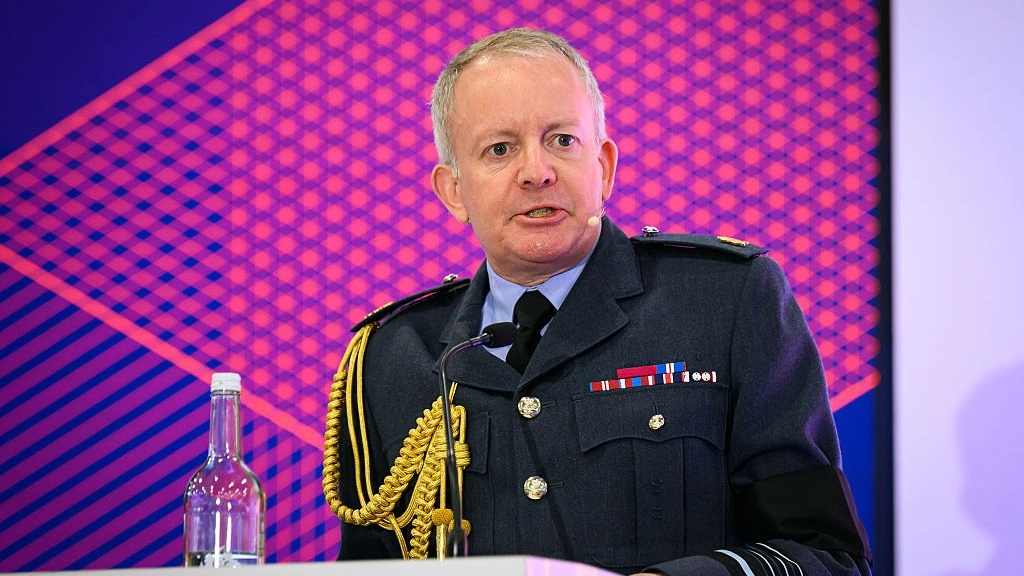
Head of British military issues stark warning as he says we are in ‘most dangerous period he’s known’

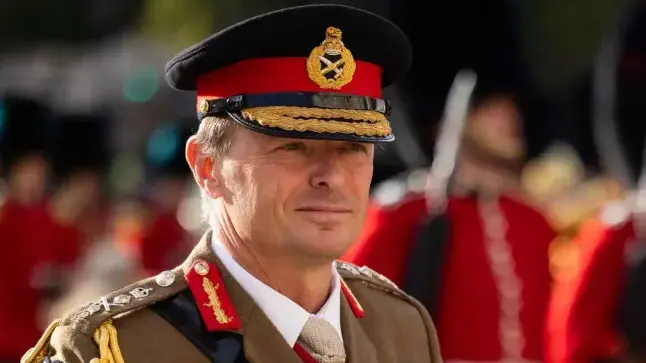
Sir Richard Knighton, Chief of the Defence Staff and the head of the British armed forces, has warned that 'this is the most dangerous period I’ve known in my adult life'.
He was born in 1969 so he's seen quite a bit in his adult life, but he's argued that the present is the most dangerous of all times he's been in.
Speaking to the Financial Times, he identified that the threat to the UK was 'principally from Russia' but was rising around the world.
He said: "We’re talking about targeted assassinations, we’re talking about sabotage, we’re talking about cyber attacks. These are very real, real things [by] the Russian state we have proof of in Europe and to some extent in the UK."
Advert
Terms like 'hybrid attacks' or 'grey zone' warfare have been used to describe the situation where a state is launching operations against another country but trying to do so below the level that would provoke open retaliation.
However, Knighton believes the danger has outgrown such terms and that Russia now has more of an 'appetite for risk', and in response the UK needed to catch up to other countries in Europe which were more aware of and prepared for the threats facing them.
He argued that the government needed to do more to explain the matter to the country 'particularly at a time when the government is asking society to spend more on defence'.
Speaking about the UK's part in the future, he identified a need to prevent Russian submarines from targeting international shipping should war break out, and that it should be part of European efforts at rearmament to deter an enemy on the continent.
His comments are similar to the ones he made to BBC Radio 4 earlier this year where he said 'the risks and threats to this country are greater than I have known since the Cold War'.
"It is important that society and all of us recognise and understand that and that may mean that we need to make different choices and different priorities," he added.
The government for their part have repeatedly tried to get the message across to the public that they need to be more resilient, which included developing a stockpile of a few days worth of food, water and supplies should something happen that disrupts supply chains.
Last month the head of the army, General Sir Roly Walker, said similar as he spoke of how 'our citizens have got to consent to sacrifices to prioritise defence and security'.
Addressing the public, he said: "You didn't know this, but our nation is going to need you.
“There was a time that our nation didn't want to think of a time when it would need its soldiers to fight in a war.
“Indeed, very soon, the political leaders of this country will start to have a frank conversation with the citizens of this country about just what is going on and where the risk lies.”
 Joe Harker