Brits warned cyberhackers could be spying on you at home without you even knowing

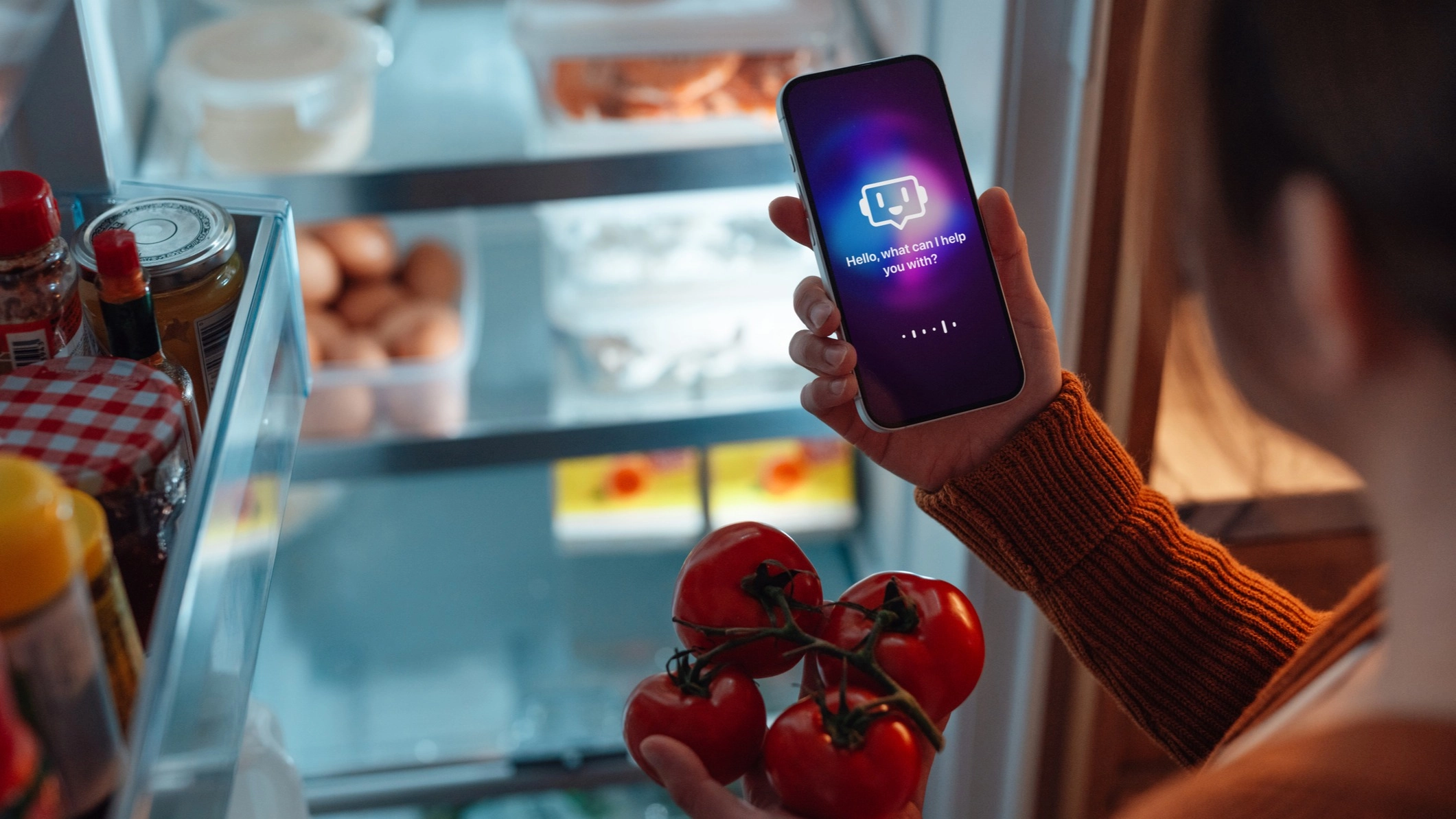
Cybercriminals could gain access to at-home smart devices, such as fridges, doorbells and digital assistants, tech experts have told LADbible.
This week has seen cyber defences across Europe tested, as supermarkets in countries including Belgium, Sweden and Ireland were forced to throw away food after fridge-freezers were hacked.
Meanwhile, blood banks in France saw vital stock at risk of compromise after the temperatures on industrial fridges were raised to 'very high' levels.
It's currently unclear which 'hacktivist' group or 'lone wolf' is responsible for the attacks, or if they're even linked at all, but it does raise questions about what smart technology could be targeted in the future.
Advert
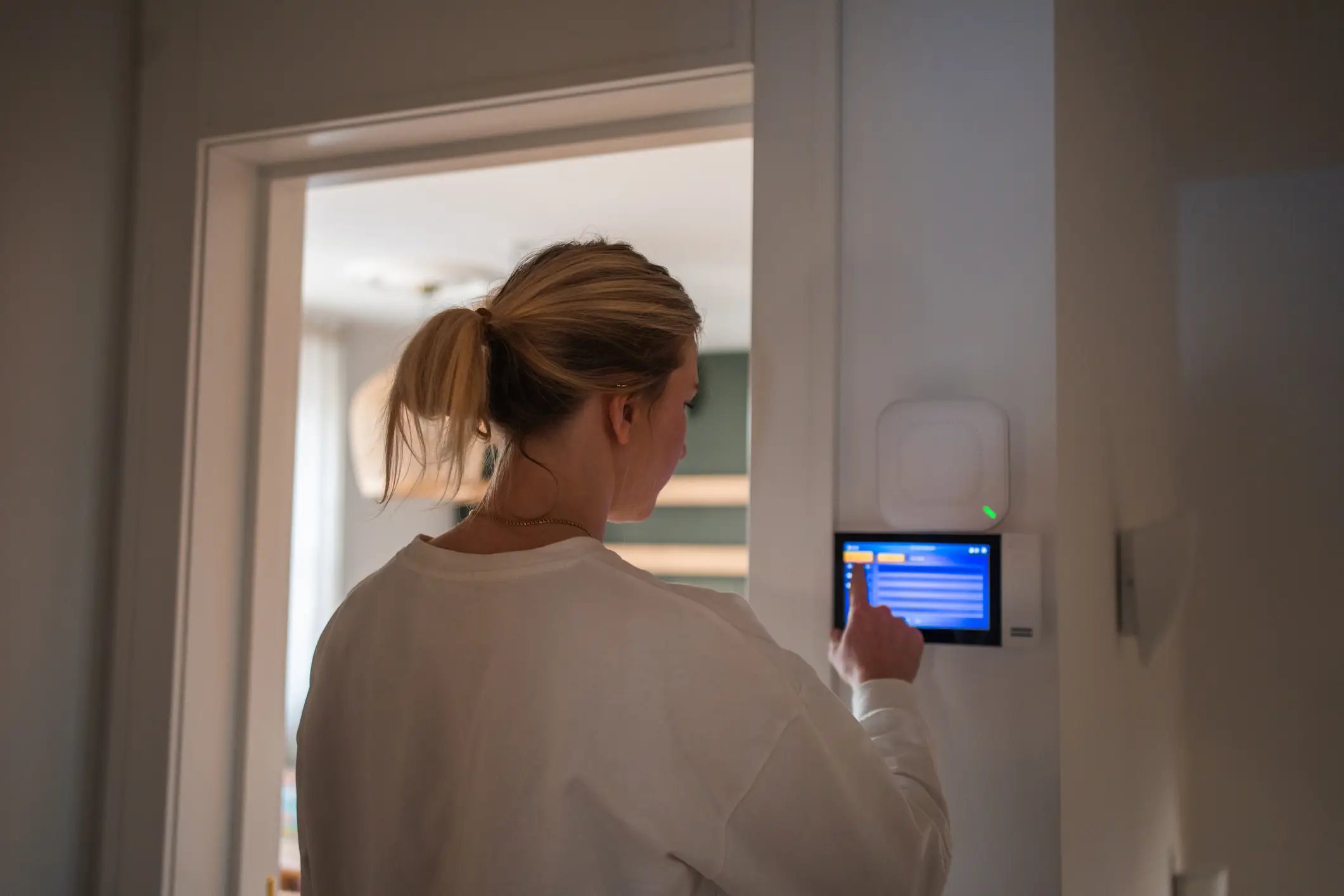
Smart devices connected on the same broadband or connection network are vulnerable, especially those with the same passwords, experts have said.
And they say smart home tech in the UK is facing growing security risks from internet-connected devices, AI-powered vulnerability scanners, and outdated or end-of-life operating systems.
This can even include home smart fridges, as well as cameras, allowing hackers to look inside someone's home.
A survey by Ecclesiastical revealed previously that 64 percent of people in the UK have concerns that the smart devices they use in their home might be hacked.
Smart technology inside homes could theoretically be targeted
"Every device connected to a home network acts as a potential doorway for attackers," Dray Agha, a senior manager for tactical response at Huntress, explained to LADbible.

This includes everything from smart appliances, such as fridges, ovens, washing machines and thermostats, to virtual assistants, doorbells and baby monitors. Basically, if it's connected to the internet, it's at risk of being hacked into.
According to research released by the University of Bradford in 2023, the most vulnerable categories were Smart TVs, which made up 34 percent of vulnerabilities, as well as smart plugs (18 percent) and digital voice recorders (13 percent).
What's the likelihood of at-home smart gadgets being hacked by cybercriminals?
Hacking smart devices linked to commercial or national interests may seem like the obvious target for cybercriminals, as this causes maximum disruption to supply chains; security experts are keen to remind people that this doesn't mean that personal devices are exempt.
"The honest answer is that attacks targeting ordinary people and their connected devices are already happening," Marijus Briedis, Chief Technology Officer at NordVPN, said.
"Criminals do not distinguish between high-value targets and everyday households when the method of attack is the same — exploiting weak passwords, unpatched software or exposed remote access," he continued.

"The scale may differ, but the techniques do not."
Briedis also noted that the conversation is 'particularly relevant' at the moment due to the number of households which have at least one smart appliance.
According to Aviva, around 79 percent of Brits own at least one smart appliance. Meanwhile, a separate poll by YouGov revealed that voice-controlled speakers and security cameras make up the second and third most popular devices of choice.
"As more of daily life runs through connected devices — heating, security, appliances — the consequences of a successful attack on a household become more disruptive," he added.
Agha also noted that 'poorly secured consumer gadgets' can also provide an entry point to personal computers which are on the same network.
"Major infrastructure systems are generally much harder to compromise than poorly secured consumer gadgets on a home wireless network," he said.
How can you protect yourself from a cyberattack?
Own a plethora of smart devices and want to protect yourself from a theoretical attack? Read this advice before binning your gadgets.
Both Briedis and Agha stress that the 'most effective' first step households can take is to secure devices by updating them and making sure they are protected by a strong password.
This was proven by a report from The Sun, which alleged that some of the supermarket fridges targeted in the Europe cyberattacks still had the factory password of '12345'. The appliances were also believed to have been left on the factory setting.
Setting up a separate wireless network specifically for your household appliances will prevent intruders from reaching your personal computers," Agha added.
"There are straightforward steps anyone can take that make a significant difference," Briedis said, explaining that people should have a unique password for each account, managed by a password manager, alongside two-step verification whenever possible.
Allowing automatic updates on devices and apps is just as crucial, as it allows for security patches to be applied as soon as they become available.
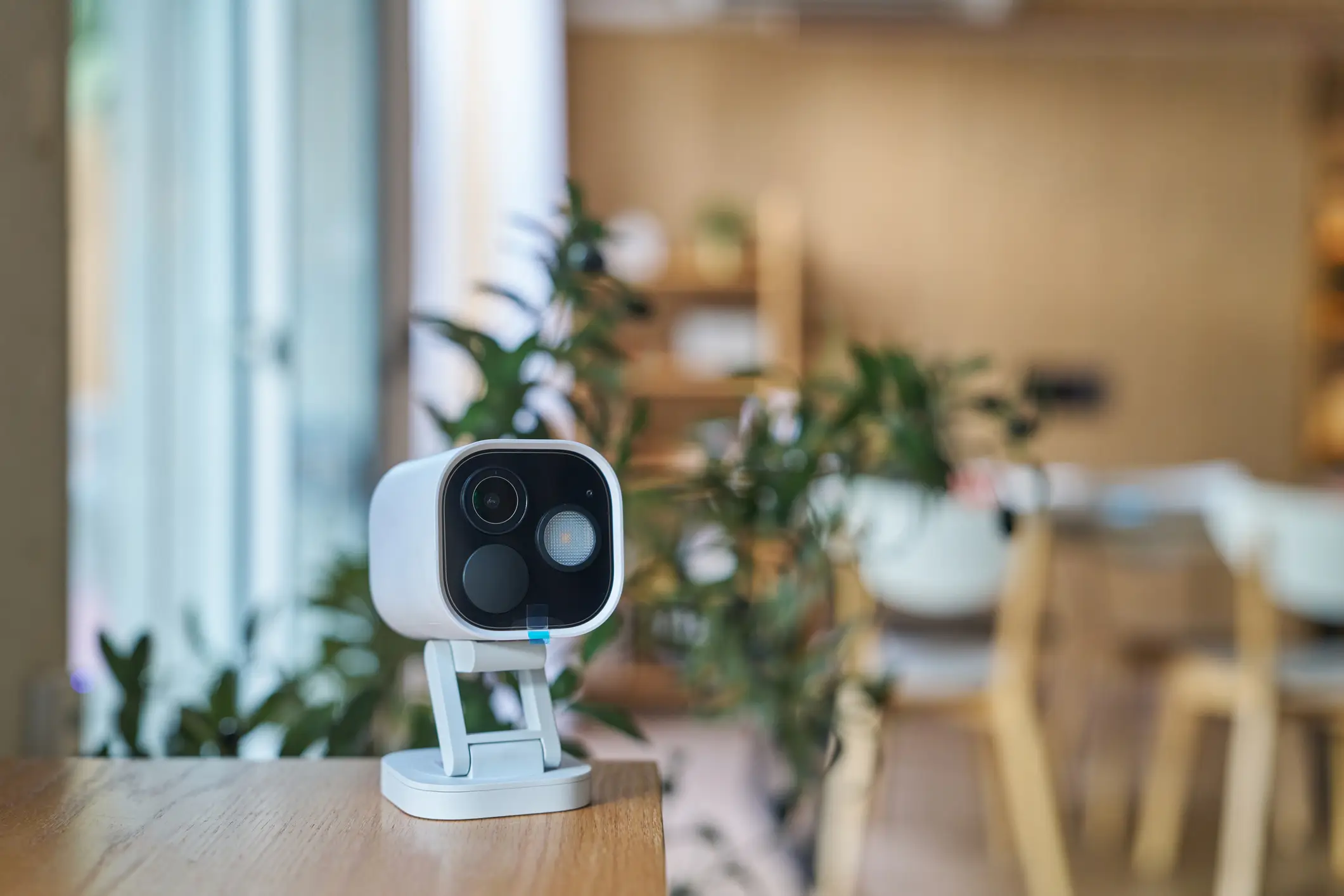
He also recommended checking how long the manufacturer provides security updates for a device, adding that an outdated device is a vulnerable one.
"Before buying any smart device, check how long the manufacturer promises to provide security support. A device may keep working long after the updates protecting it have stopped, and at that point it becomes a vulnerability rather than a convenience. If you have older devices that no longer receive updates, consider whether they are worth keeping connected."
He also suggested keeping smart devices on a separate network for an extra layer of security, adding that it prevents smart appliances from being used as a 'stepping stone' for further hacks.
"Most modern routers allow you to set up a guest network for this purpose," he said. "That way, if one device is compromised, it cannot easily be used as a stepping stone to reach everything else."
Official safety advice is available on the GOV.UK Smart Devices Guide, which recommends changing default passwords immediately, enabling multi-factor authentication (2FA), and keeping firmware updated.
Topics: Technology, UK News
 Brenna Cooper