King Charles urged to return ‘stolen’ $400m Crown Jewel after 170 years

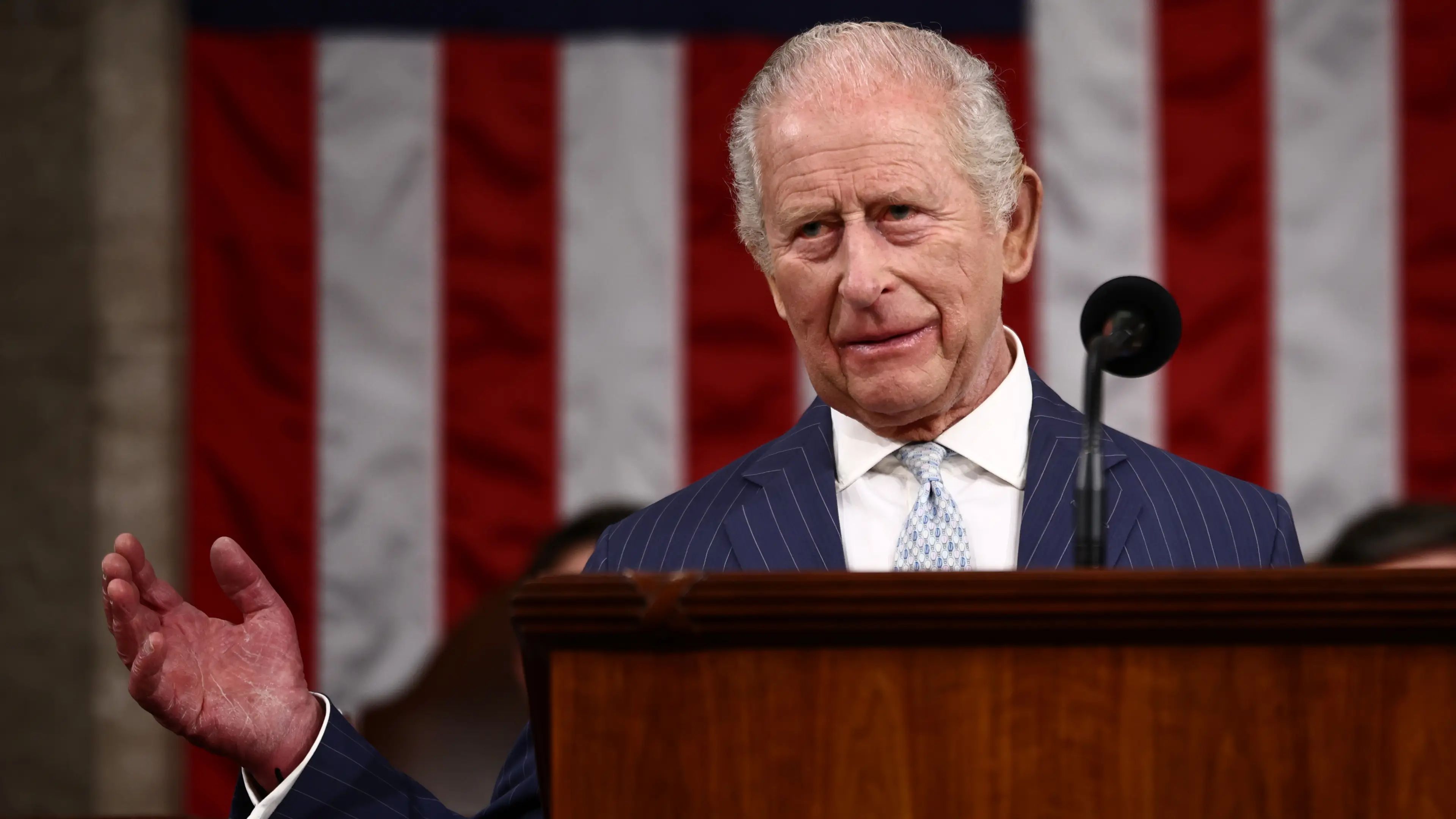
King Charles has been urged to return the controversial Koh-i-Noor diamond following his trip to the US.
US President Donald Trump recently hosted the monarch and his wife, Queen Camilla, during a four-day state visit.
The trip appeared to be a huge success in smoothing over recent tensions in US-UK relations caused by the Iran War, with Charles addressing the US Congress and visiting New York's 9/11 memorial.
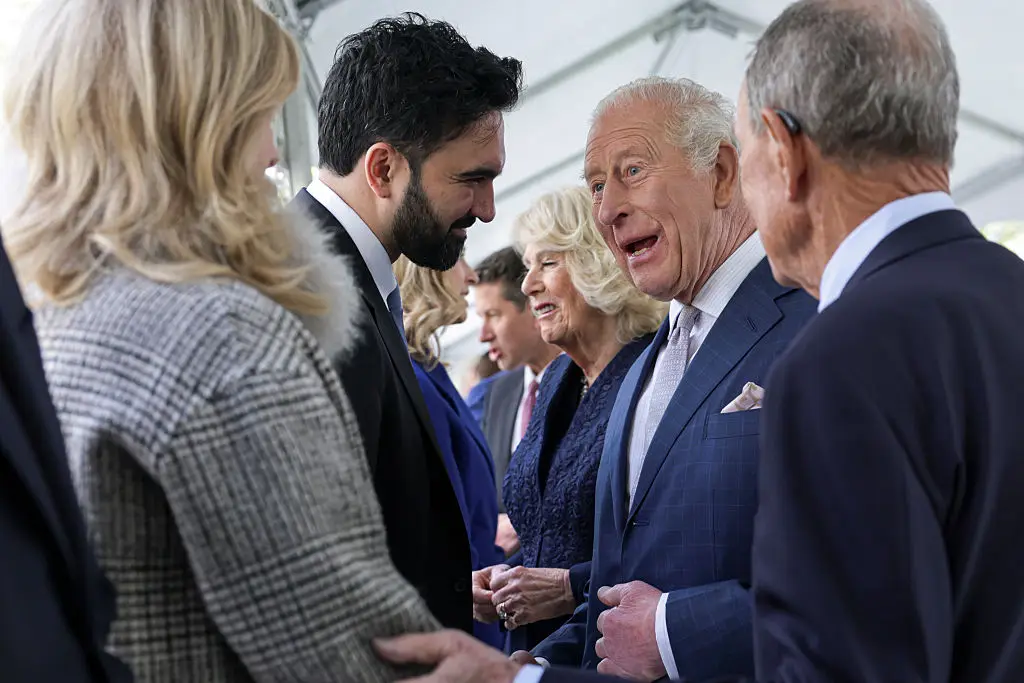
His presence at a wreath-laying ceremony for the victims of the September 2001 terror attack brought him face-to-face with the city's mayor, Zohran Mamdani, who previously made his thoughts clear about the vast wealth owned by the British royals.
Advert
Speaking ahead of the event, Mamdani told reporters that he would urge the monarch to return the 'stolen' Koh-i-Noor diamond if he were to have the chance to speak with him privately.
"If I were to speak to the king separately from that, I’d probably encourage him to return the Koh-i-noor diamond," he told reporters before the event.
Mandami's comments coincided with the decision for New York to return hundreds of artefacts, worth around £10 million, to India, according to The Guardian.
What is the Koh-i-Noor diamond?
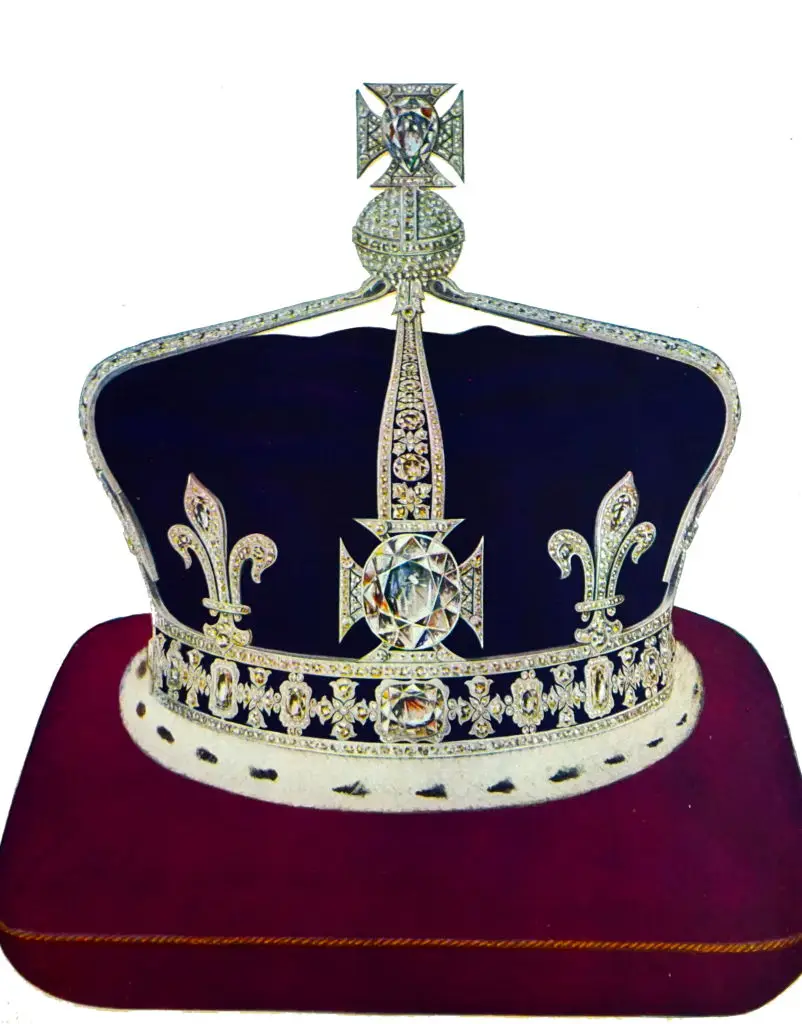
Weighing 21g (105.6 carats), the Koh-i-Noor gem is one of the largest cut diamonds in the world.
The name Koh-i-Noor translates to 'mountain of light' and is about the size of a chicken egg. Officially described as 'priceless', the gem has an estimated value of £103 million to £294 million.
The gem currently sits in the Crown Jewels, which are on display in the Tower of London and is owned by the reigning British monarch, who is currently Charles.
However, the gem has a controversial history linked with Britain's colonial past.
The exact origin of the Koh-i-Noor is uncertain, with most historians agreeing that the gem was mined in the Golconda mines in central southern India, possibly as far back as the 1300s.
Described as a symbol of 'conquest' (per Historic Royal Palaces), the diamond has changed hands numerous times over the years, previously belonging to the Mughal Empire as well as historical rulers from modern-day Pakistan, Iran and Afghanistan.
In 1849, the jewel was taken by the East India Company and presented to Queen Victoria.
Why does the Royal Family have the Koh-i Noor diamond?
The diamond was presented to Queen Victoria after British forces were victorious in the Second Anglo-Sikh War, with the empire's last Shah, 10-year-old Maharaja Duleep Singh, handing the gem over to the Company during the Treaty of Lahore.
The gem's fate was sealed in Article III of the treaty, which read: "The gem called the Koh-i-Noor, which was taken from Shah Sooja-ool-moolk by Maharajah Ranjeet Singh, shall be surrendered by the Maharajah of Lahore to the Queen of England."
Who legally owns the Koh-i-Noor diamond?
Rightful ownership of the Koh-i-Noor diamond is heavily contested, with many seeing it as symbolic of British colonialism in India.
The Indian government requested the diamond be returned after gaining independence in 1947 and again in 1953; both requests were rejected by the British government.
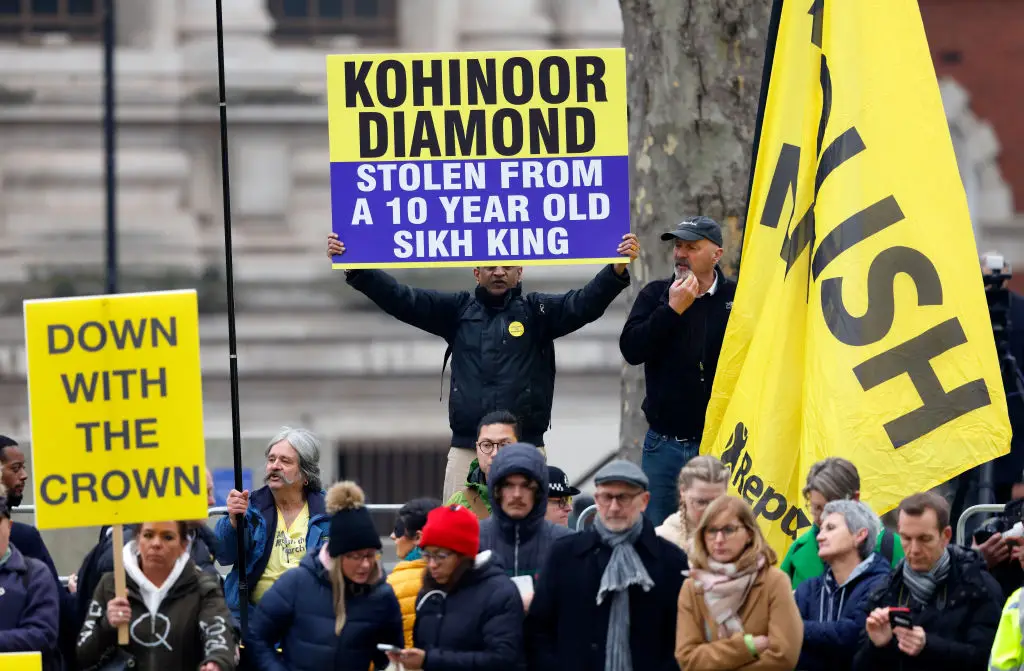
In 1976, Pakistan claimed ownership of the jewel, while a Taliban spokesman stated that it belonged to Afghanistan in 2000.
India again floated conversations over possession of the diamond in 2016, with the government's Ministry of Culture stating intentions to 'make all possible efforts to bring back the Koh-i-Noor diamond in an amicable manner', via BBC.
Meanwhile, a potential compromise in which the diamond were to be split into four and shared across India, Britain, Pakistan and Afghanistan was suggested but ultimately rejected.
The British government maintains the Koh-i-Noor diamond was obtained legally, claiming ownership is 'non-negotiable'. There are also legislative barriers preventing the return of the diamond in the British Museum Act of 1963, which prevents museum trustees from returning items in its collections.
Topics: King Charles III, Royal Family, UK News
 Brenna Cooper