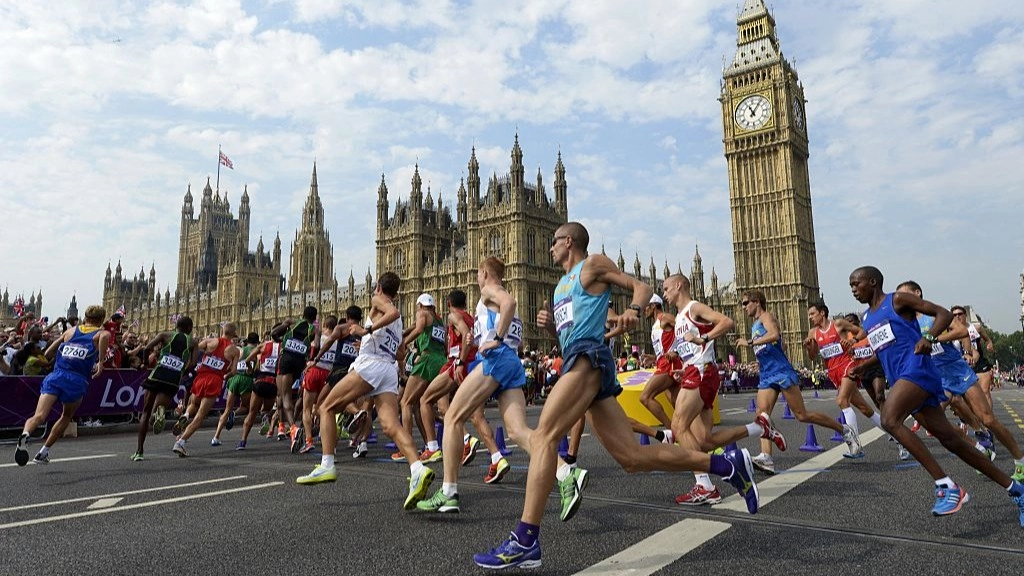
What running 26 mile marathon actually does to your body

The London Marathon is made up of all different kinds of people, from professional athletes to novices racing for their first time.
For most of the 59,000 runners though, the 26.2 mile course is a gruelling challenge that pushes the body to its limits.
Experts explain that marathon running, even with proper training and nutrition, triggers a wide range of changes to muscles, joints, energy levels and even mood.
These seven changes, as shared by Metro, can even apply to the 76 runners attempting 73 different Guinness World Records.
Your body goes into overdrive
During a marathon, the body works at an intense level for several hours.
Advert
"The body goes into overdrive, uses up glycogen (energy) stores in the liver, breaks down muscle and loses fluid and electrolytes – all of which contribute to fatigue and a sense of grogginess and tiredness after the run," said physiotherapist Sammy Margo.
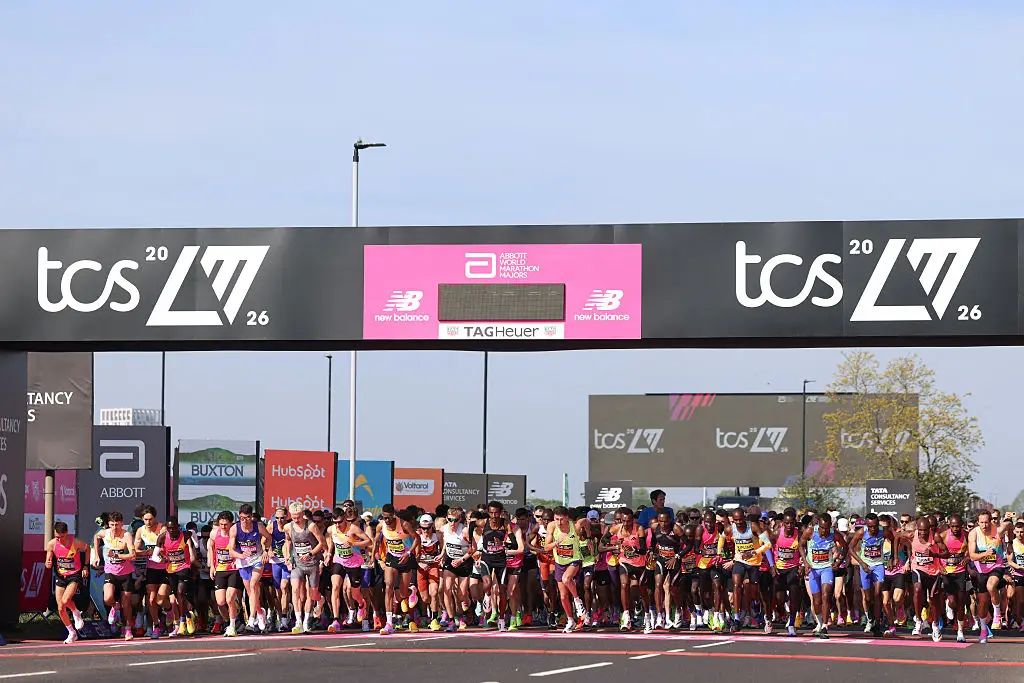
Muscles become inflamed and sore
Most people obviously don't run 26 miles on a regular basis, so the strain of a marathon can seriously shock the muscles.
That's why it's important to do a warm-up beforehand.
"Muscles become inflamed and sore – particularly the calves and thighs – and runners may develop cramp," Margo added.
"Biomarkers of muscle damage – such as lactate dehydrogenase and creatine kinase – increase during the run, peaking after the end of the marathon.
"These enzymes take around a week to fall back to normal levels."
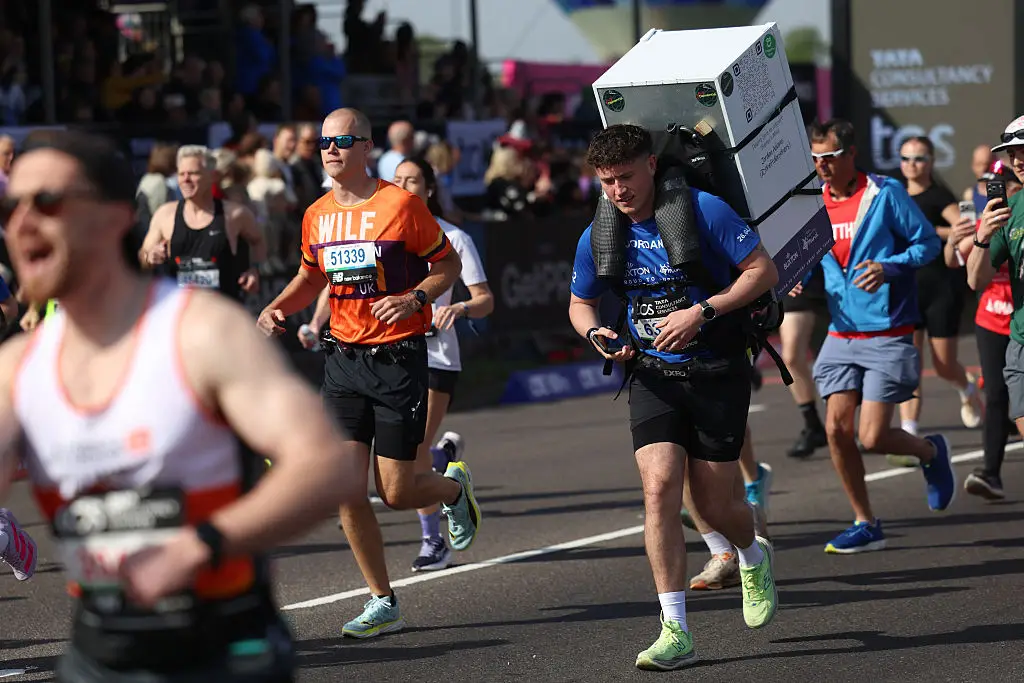
Cramps and joint pain
Muscle cramps are common during marathons and can be caused by fatigue, dehydration or a lack of electrolytes.
Overuse of muscles and joints can lead to discomfort in the knees, ankles, and hips.
Even experienced runners expect to have aches and stiffness during and after the race.
A runner’s high
Despite the crazy amount of stress involved, marathon running can also trigger really positive feelings.
"Running this distance over several hours also increases positive neurotransmitters, like norepinephrine, and 'feel good' endorphins – which keeps you alert and serotonin, which improves mood," Margo said.
Post-race mood dips
The emotional high from finishing a marathon does not last forever.
Once the physical effort stops, levels of feel-good chemicals drop, which can lead to a temporary low, which is completely normal.

You might temporarily lose height
Research suggests that runners can lose nearly half an inch during a race.
This can happen due to fluid loss and repeated impact of the spinal discs between the vertebrae.
Fortunately, once the body rehydrates and recovers, normal height quickly returns.
Your spine and joints absorb thousands of impacts
Michael Fatica, a consultant osteopath, said: "The action of running causes a repetitive impact on the load bearing structures of the lower back – primarily the discs.
"When running, the main force is one of impact going through the body, the joints of the lower limbs, ankles, knees and hips and the into the spine. When we think of the impact on our lower back – even with good posture – the average marathon consists of somewhere between 55,000 and 65,000 steps.
"Think of these steps as tiny impacts through the spine for the duration of the event. From the outset in the early part of the race, you’re likely soft on your feet, posture tall and efficient. As time wears on and the number of steps climbs, more and more of these impacts will become less efficiently handled by our bodies."
Topics: UK News
 Anish Vij