What happens if there are food shortages in the UK as government warns it's stepping up plans

The British government is preparing contingency plans for potential food shortages resulting from a continued blockade of the Strait of Hormuz.
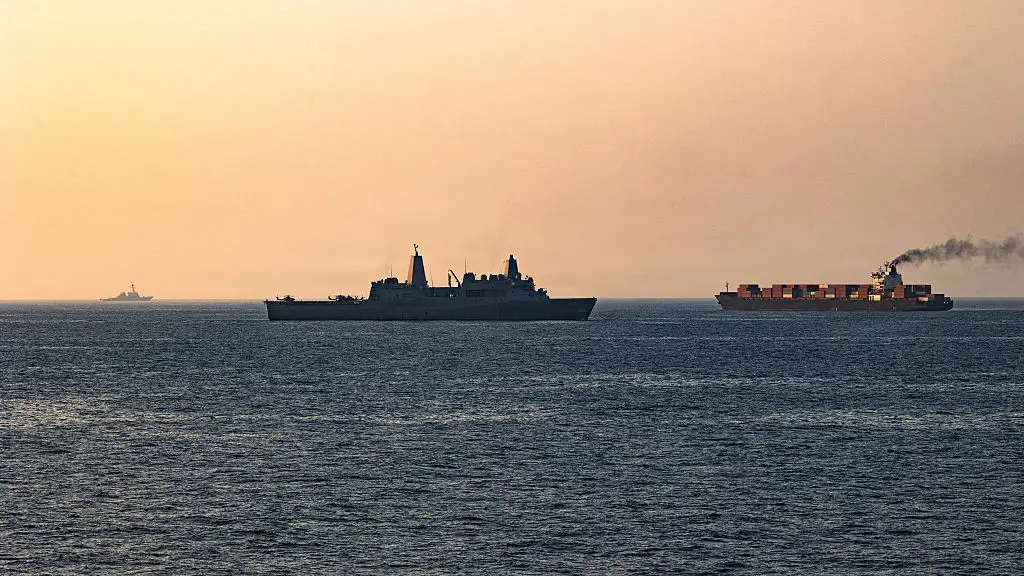
Despite Iran's promises to allow commercial vessels to pass through the crucial waterway, passage through the Strait remains severely restricted, with just five ships passing on Friday (via Reuters).
The stand-off between Iran and the US hinges on Trump's decision to impose a blockade on Iranian ports until an end to the war is agreed, while the Middle Eastern country alleges 'blatant violations' of an ongoing ceasefire for seizing container ships.
With forecasts suggesting the Strait may not be fully open until the 'second half' of 2026, the war is likely to continue impacting the global economy.
Advert
Brits have already been warned about the risk of jet fuel shortages this summer due to oil restrictions, but new analysis suggests that certain supermarket staples could run out this summer.
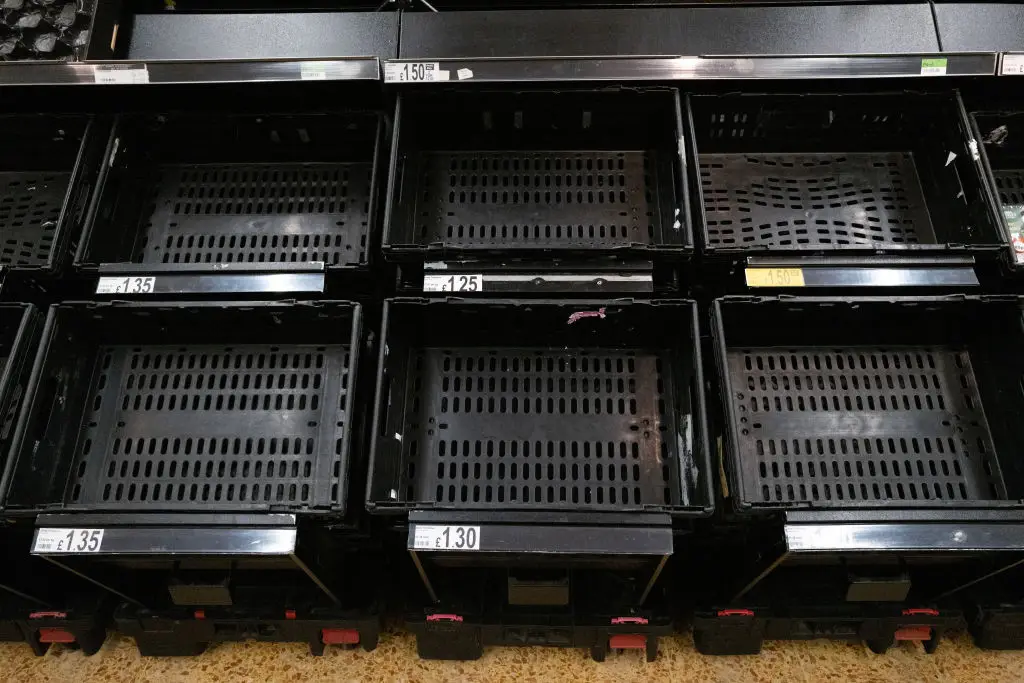
How could the Iran war lead to UK food shortages?
While the impact of the US military action on fuel access is pretty obvious, 20 to 25 percent of global oil trade passes through the Strait, its link to food shortages is less clear-cut.
So here is what you need to know about the potential knock-on effect the war could have on your groceries.
According to an analysis seen by The Times, the UK is facing a potential shortage of CO2, which could have a significant impact on the farming and hospitality industries.
This is because CO2 is used during the packaging process of salads, baked goods, and certain meats. It's also a key part of making drinks fizzy, which means there could be fewer bottles of soda pop on the shelves or available at your local pub.
The gas is also used in the slaughter of nearly all pigs and two-thirds of chickens in the UK, meaning there could also be shortages there.
In response to growing concerns, the UK government is now looking at plans to limit supply chain disruption.
According to the BBC, Keir Starmer will chair a cabinet meeting discussing potential shortfalls later this week, while ministers will meet twice a week to monitor stock levels across the country.
Contingency plans are also being drawn up to prioritise key industries such as healthcare and electricity, should shortages occur.
"We're acting now to prepare for, and mitigate where possible, the impact on our economy and domestic security as a result of the conflict," Darren Jones, Chief Secretary to the Prime Minister, said of the planning meetings.
"People should carry on filling up and using their cars as normal, shipments of jet fuel are continuing to arrive in the UK, and the UK's critical supply of CO2 has been shored up."

Meanwhile, one expert has suggested that any impact on food supplies will be felt by smaller retailers before major supermarket chains.
"Big chains have significant buying power and the cash reserves to weather short-term disruption far better than smaller operators," Molly Monks, an insolvency specialist at Parker Walsh, explained to The Sun.
She also warned that food price inflation is likely to occur, adding: "When supply chains are disrupted, whether through conflict, sanctions or logistic difficulties, costs inevitably get passed down to consumers."
Topics: Food And Drink, UK News, Iran
 Brenna Cooper