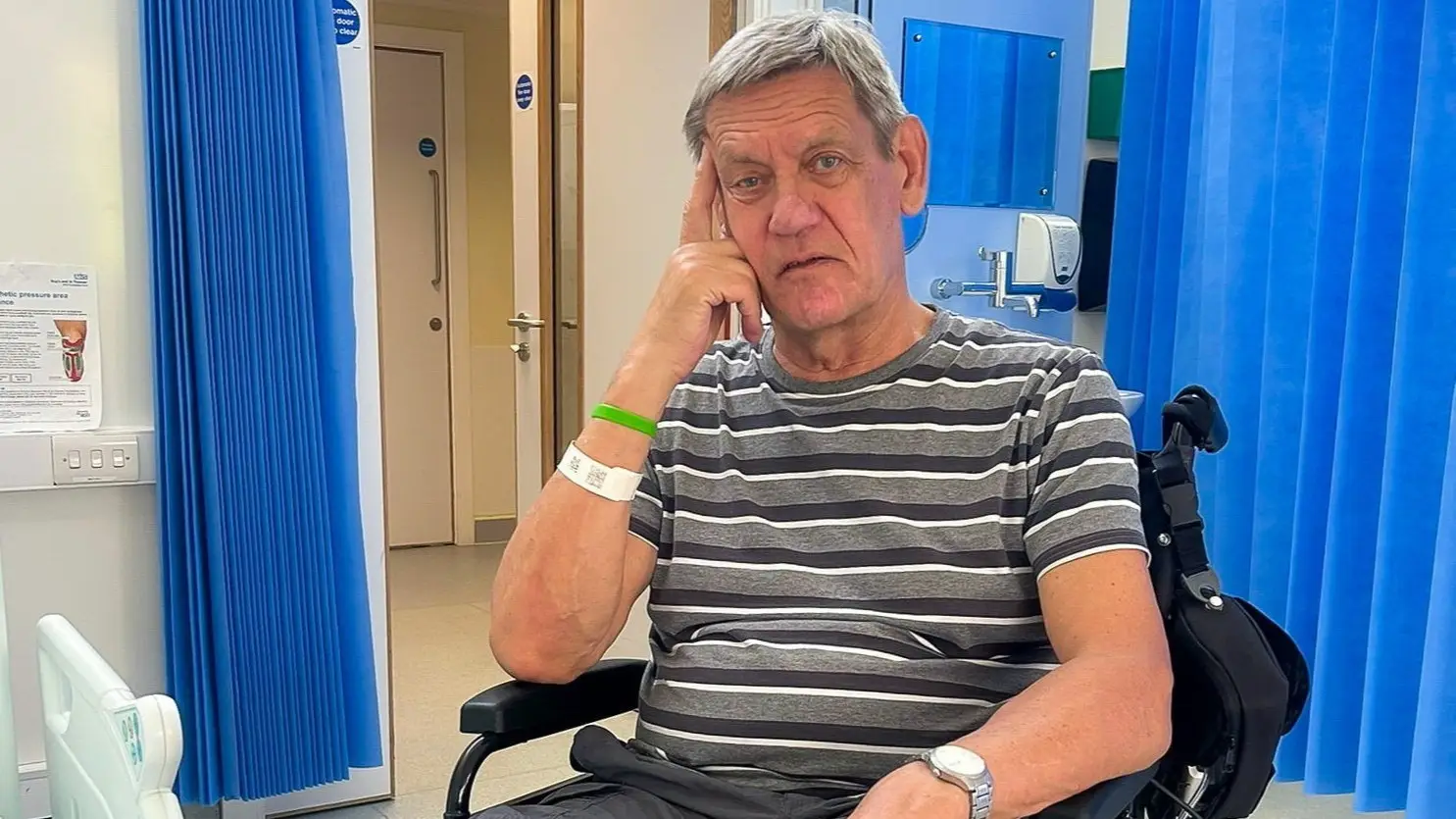
Man had both legs amputated after doctors missed common condition

A man who started feeling pain in his feet and legs went to the doctors and was told it was probably linked to an issue with his back, but over the next four years he'd end up seeing doctors 29 more times before having his legs amputated.
Nic Olsen had suffered back issues for years and it was in 2020 when the pain spread to his legs.
It got worse over the following years as he went through GPs, consultants and specialists for a long list of scans and tests where at the end he was told to walk more, prescribed cholesterol tablets, given spinal injections and recommended to put insoles in his shoes.
It was only when the Leicestershire man collapsed and his big toes 'burst open' that a blockage in the arteries in his lower legs was spotted, and it had gone undiagnosed so long that successful treatment was unlikely.
Advert
Nic was diagnosed with peripheral arterial disease (PAD), where fatty deposits build up in arteries which can cause blockages, and while he went through two bypass surgeries to try and reopen them it didn't work, leaving double amputation his only option.
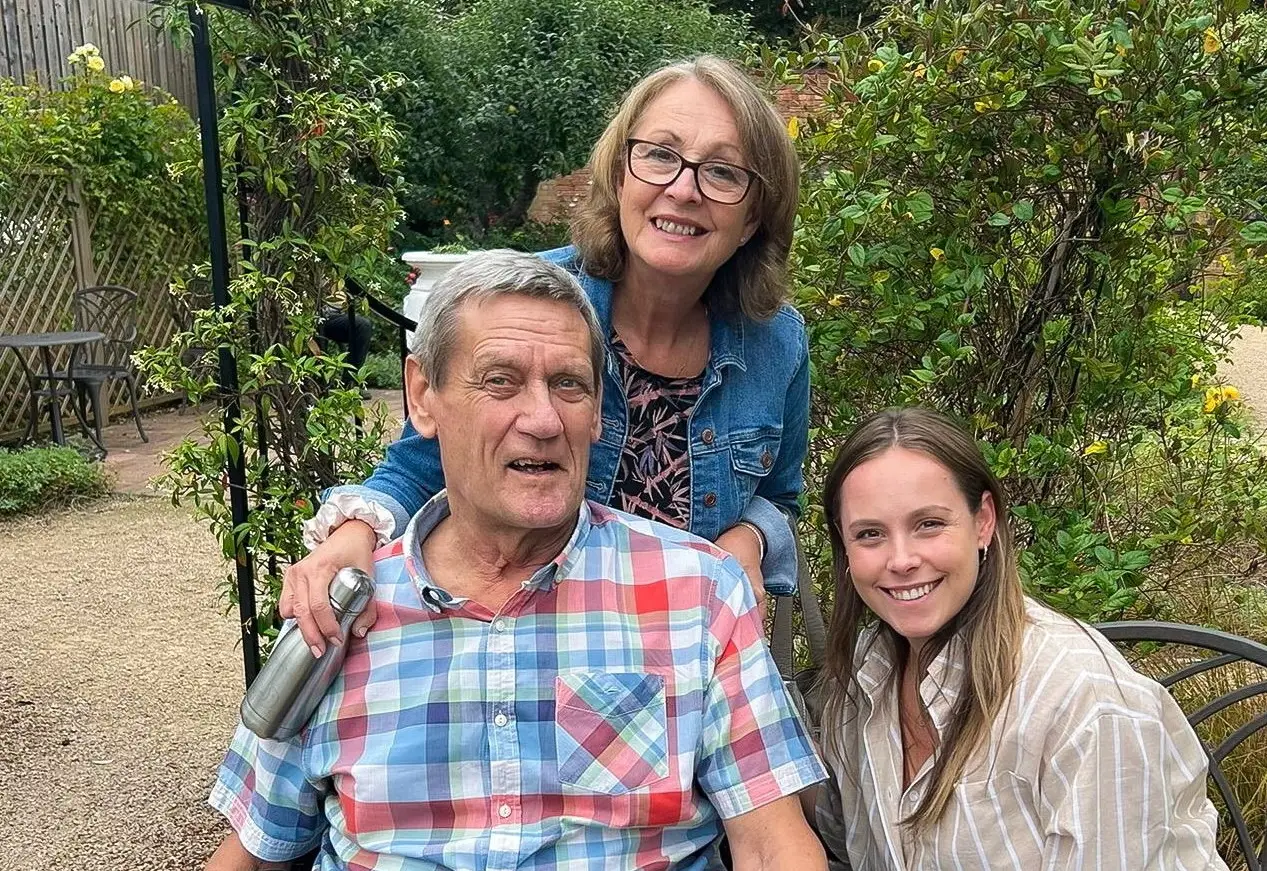
If he'd been diagnosed earlier then it would have been a much easier fix, and his wife Fiona, 68, says if he'd been given a Doppler test the first time he went to a GP or had the pulse in his foot checked this might not have happened.
"All Nic ever talked about was the pain. He would say it was like someone was stabbing him with a carving knife," she said of her husband's ordeal.
"He had all kinds of examinations and saw all kinds of doctors, surgeons and specialists. Finally, after four years, someone looked at his ultrasound and said 'Oh my God, this is serious'.
"They tried everything but we were left with no option but amputation.
"Nic's care from start to finish has cost the NHS over £1million - if this condition had been found at the start, it could have been a fraction of that.
"He could have had an angioplasty there and then, when it was still early, which costs the NHS about £1,000 - and would have saved his legs."

PAD affects one in five people aged over 60 and his swollen feet and no hair on the lower legs are recognised signs of the condition.
X-rays, blood tests and MRI scans didn't catch it while Nic's pain intensified, and it wasn't until a holiday to Tenerife in January 2024 when one of his toenails burst and was gushing with blood that things started going towards a diagnosis.
Eventually in October of that year after an ultrasound a different podiatrist asked the man if he'd ever had a Doppler test done, and when one was finally performed there were 'no sounds of circulation'.
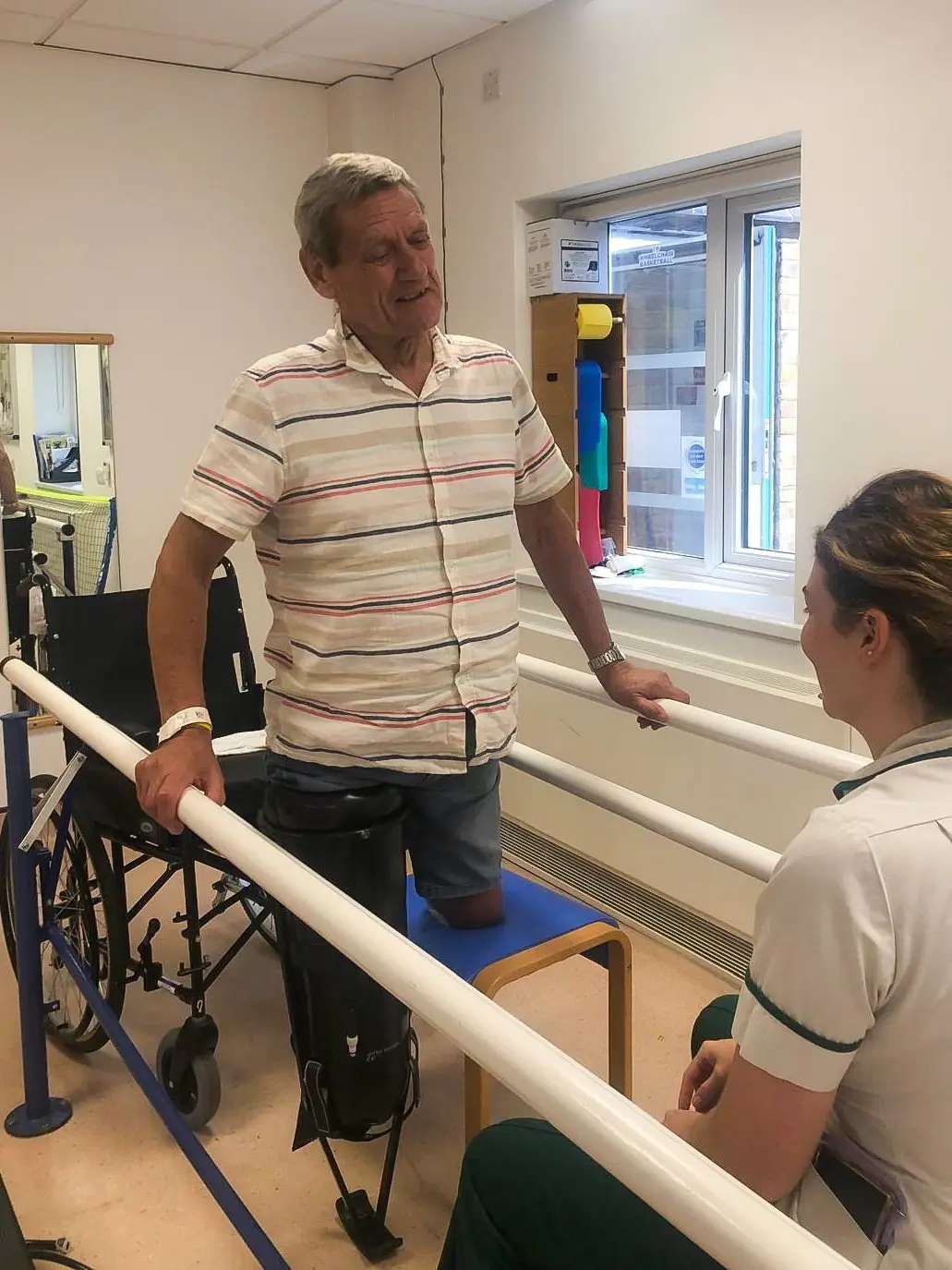
He collapsed in January 2025 and could no longer walk, and when procedures to avoid an amputation failed his right leg was amputated in April of that year, and within two weeks of getting home he developed an ulcer on his left foot and needed that leg amputating as well.
The second amputation was carried out in July 2025.
"I don't think any of the people I spoke to knew what PAD was. All the symptoms were ignored," Nic said of going for years without the proper diagnosis.
"After amputation, it's two or three weeks after you get home is when reality hits, and you reach your darkest mental state.
"I slipped through the net. But early diagnosis saves lives, and it's total preventable if it's diagnosed early enough.
"I wouldn't be anywhere without Fiona there behind me."
He's been through a lengthy rehab with prosthetic legs as he's been learning to walk again, and Fiona is campaigning for more people to be aware of the symptoms of PAD as she said after her husband's 'shambolic' experience 'the only way I can let my anger out is to help people in the future'.
She said: "Even the specialists say we need to keep banging the drum - PAD can easily be put right if you spot the signs early."
 Joe Harker