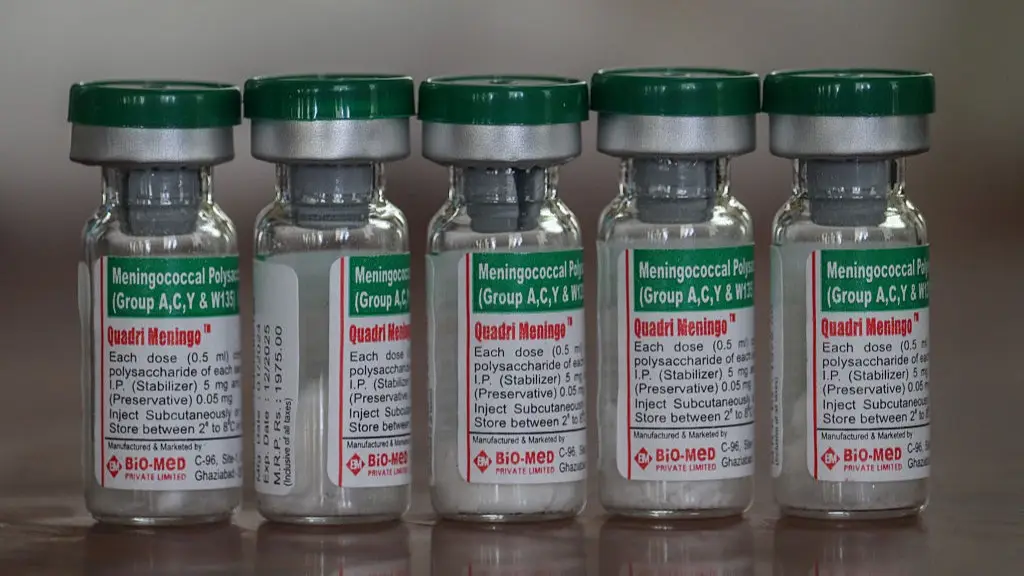
Student dies and two being treated in new meningitis outbreak

A student has died and two are being treated following a meningitis outbreak in Reading health officials have confirmed.
The UK Health Security Agency (UKHSA) said three cases of invasive meningococcal disease have now been identified, with two young people currently being treated in hospital.
Officials believe at least one of the cases is linked to the MenB strain of the infection - but further results are needed on the other two .
The agency said information has been shared with parents and students at all the affected schools, but reassured the public that the risk to the wider public is low.
Advert
A GP surgery in Henley-on-Thames, Oxfordshire, said it had contacted UKHSA following a death of a student at Henley College.
Its statement said the agency was "actively contacting those who may be at risk due to a close association with the student involved."
The UKHSA said close contacts of those infected are being contacted directly and offered antibiotics as a precaution.
The UKHSA has not said what the link to Reading is, but did add that anyone who has not been contacted did not need treatment with student and staff attending the sixth form college as normal.
Health officials stressed that "the number of confirmed cases is very low so there are currently no plans for a local emergency meningitis vaccination programmed."
Henley College has not commented.
Reading University confirmed it has no reported cases among its students, but it is reminding them of the signs of meningitis.
The latest cases come after a separate MenB outbreak in Kent earlier this year, which saw confirmed infections linked to students and nightlife venues and two deaths.
The UKHSA said there were 29 confirmed or suspected cases of meningitis detected after the outbreak in March.
The outbreak led to widespread antibiotic distribution and emergency vaccination campaigns.
The vaccine is free on the NHS for those under 25 but it does not protect against all strains.
What Is Meningitis?
Meningitis is an infection that causes inflammation around the brain and spinal cord.
It can become life-threatening very quickly and is most commonly spread through close or prolonged contact, including:
- kissing
- sharing drinks or vapes
- coughing in close proximity
- living in shared accommodation
Young people, students and teenagers are considered among the groups most at risk because of close social contact.
Symptoms To Watch Out For
The NHS says symptoms can appear suddenly and may include:
- High temperature
- Severe headache
- Vomiting
- Stiff neck
- Sensitivity to light
- Confusion or drowsiness
- Cold hands and feet
- Rash that does not fade when pressed
People are being urged to seek urgent medical help if they notice symptoms.
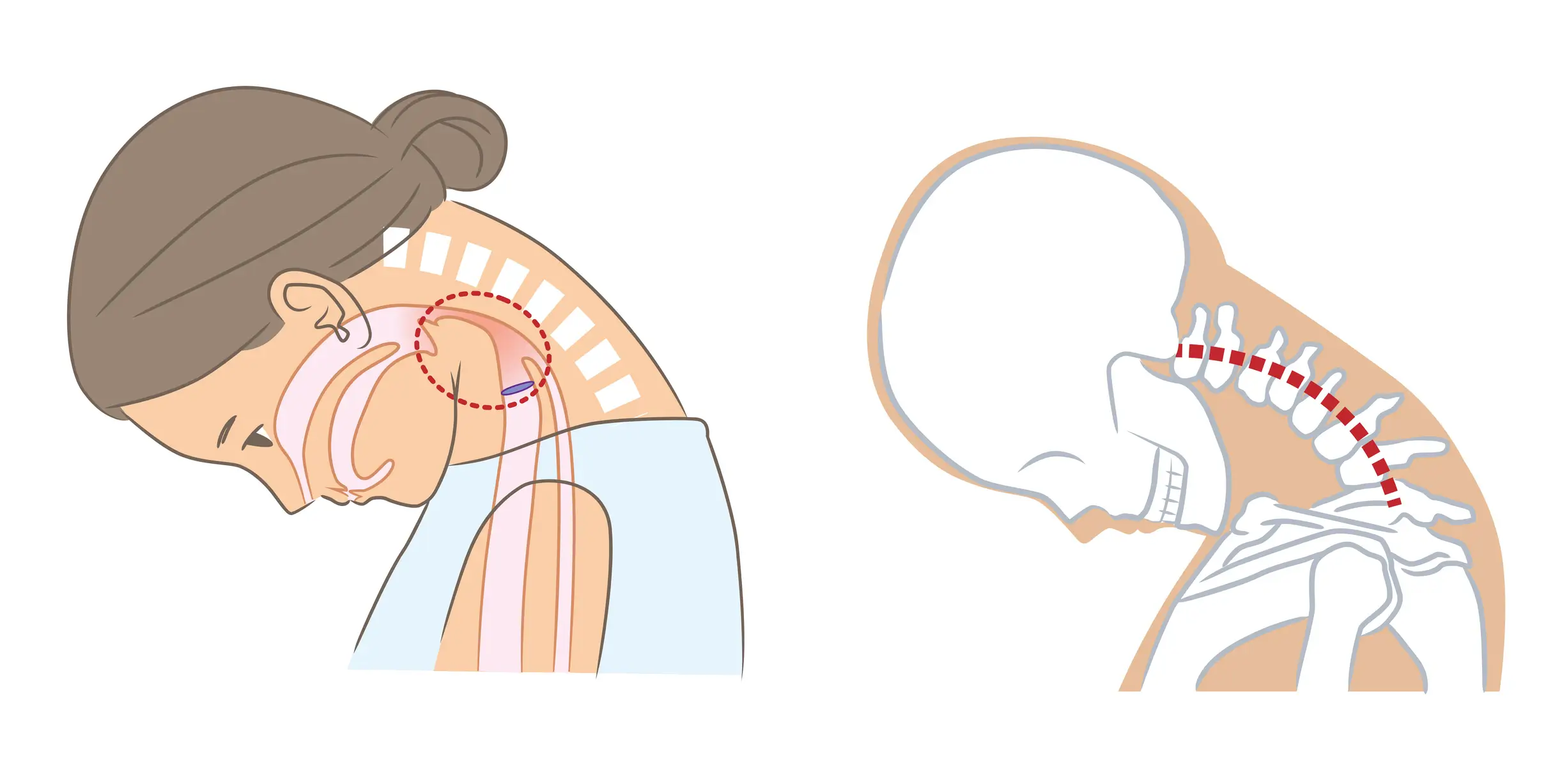
There's also a simple neck test which people with suspected meningitis can perform, according to Healthline.
Called the 'Brudzinski’s sign' the manoeuvre involves pulling a patient's neck forward slowly.
While a healthy patient or someone without meningitis would be able to touch their chin to chest, a patient with meningitis would struggle due to inflammation of the brain and spinal cord.
What are the other at home tests can you perform for suspected meningitis?
Another well known check for meningitis is the glass test.
A rash which doesn't fade when a clear glass is pressed against it is known as a 'non-blanching' rash, caused by meningitis and other severe infections such as septicemia.
To perform this test, press the side of a glass firmly onto a rash, if the rash doesn't fade then it is important to seek medical attention immediately. However Meningitis Now warns that is a person is exhibiting signs of meningitis you should not wait for a rash to appear before seeking medical treatment.
Topics: Health
 Jo-Anne Rowney