Meningitis B warning to millions born in UK before 2015

Millions of Brits born before 2015 are at a greater risk of Meningitis B because they haven't been vaccinated against it.
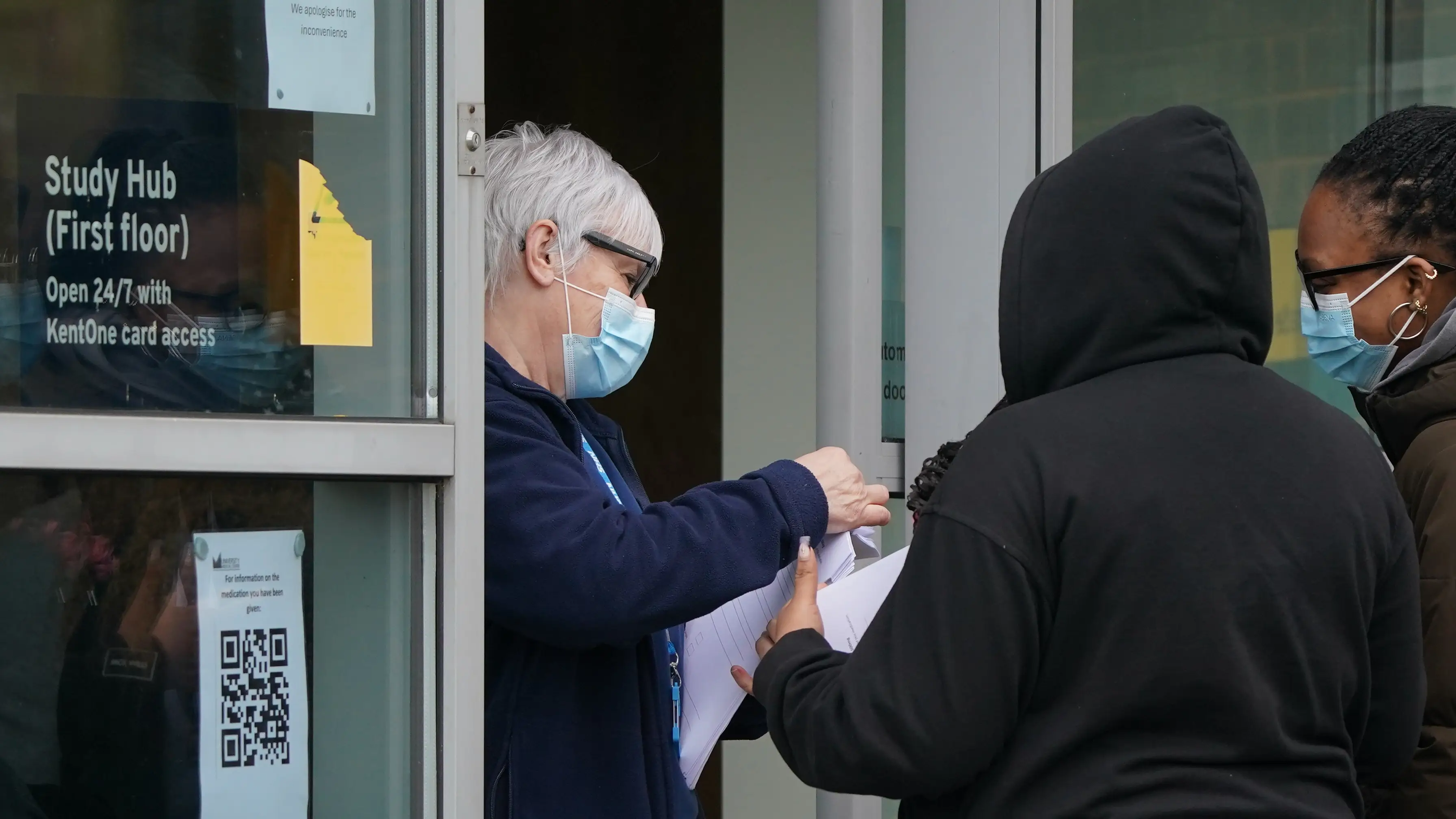
The outbreak of the disease in Kent which has left two people dead and hospitalised several others has now been declared a 'national incident' as the UK Health Security Agency (UKHSA) reports there have been 20 confirmed cases in total.
They said: “All those affected who are currently linked to the outbreak are young adults.
“UKHSA is aware of a baby with confirmed meningococcal group B infection who is not currently linked to the outbreak but UKHSA will continue to investigate this case.”
Advert
Over 2,500 doses of antibiotics have been given as people queued for them to help curb the spread of the disease, while Health Secretary Wes Streeting described the outbreak as 'unprecedented'.
Those who were in the Club Chemistry nightclub in Canterbury on 5, 6 and 7 March have been encouraged to get treatment, as has anyone who has been in close contact with someone confirmed or suspected to have Meningitis.
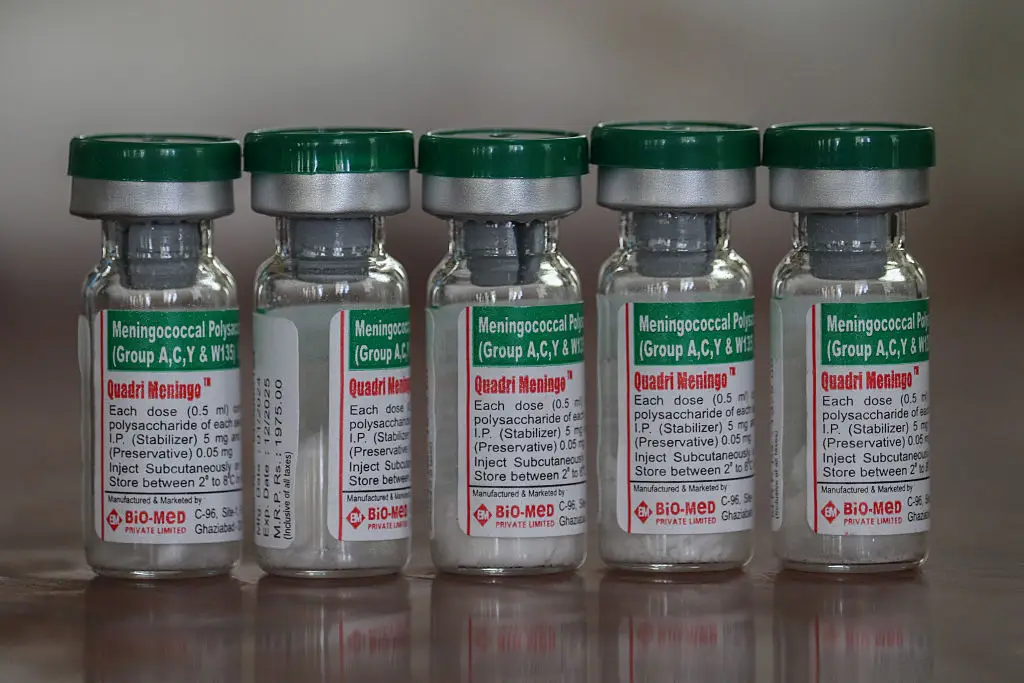
In six cases of the outbreak the strain has been identified as Meningitis B, which is a particular concern as widespread vaccination for babies against the disease was only rolled out in 2015 and a catch-up programme for older ages was not implemented.
Many Brits 'unaware that they are unprotected'
Many of you might remember getting your meningitis jabs at school, but before 2015 the NHS only covered the A, C, W and Y strains leaving large swathes of the population unvaccinated and vulnerable.
Dr Donald Grant, GP and Senior Clinical Advisor at The Independent Pharmacy, told LADbible 'many older children, teenagers and adults may not have been eligible at the time and could be unaware that they are unprotected', since those who are older than 11 will have got a Meningitis jab when they were younger but not one that would protect against Meningitis B.
He said: "Meningitis is a rare condition, but it can quickly become life-threatening.
"This infection causes rapid inflammation of the membranes surrounding the brain, leading to swelling, increased pressure, and in some cases, blood poisoning.
"For those who did not receive the vaccine as children, the MenB vaccine is currently not routinely offered on the NHS, but it can be accessed privately following consultation with a healthcare professional.
"There are also certain higher-risk groups, such as individuals without a functioning spleen, who may be eligible for vaccination through the NHS."

Paying privately for two doses
Dr Suzanne Wylie, GP and medical adviser for IQdoctor, explained to LADbible that people worrying they're at risk can take steps to protect themselves.
She explained that while the NHS doesn't typically fund catch-up vaccinations for Meningitis B it can be bought privately, though it'll cost 'around £100–120 per dose, with two doses required'.
This can be done through pharmacies such as Boots, but at time of writing their site either puts you in a queue to enter or has stopped functioning entirely as they say there is 'high demand' for the vaccine at the moment.
As such people trying to procure the Meningitis B vaccine for themselves may find it difficult to do so.
The BBC reports that students living in halls of residence at the University of Kent will be getting a targeted vaccination programme and eligibility for the vaccine will be reviewed.
Meningitis Now warned that the second most vulnerable group after babies and young children were those aged between 15 and 24, a group who at this moment in time will have been too old to get the vaccine when it was made available on the NHS in 2015.
They claim that the Joint Committee on Vaccination and Immunisation (JCVI) decided at the time it was 'not cost-effective for this age group' to also offer the jabs to teenagers and young adults in a catch-up scheme.

The warning signs of meningitis
Many doctors have stressed the importance of recognising the early warning signs, as Dr Grant noted that one of the reasons Meningitis is so dangerous is due to 'how quickly symptoms can worsen'.
Noting that 'any sudden deterioration should be taken seriously', he said: "Outside of vaccines, it’s important that Brits are aware of the telltale signs of Meningitis, as this can lead to early intervention and stop the spread.
"Early signs of this illness include: high fever, severe headache, stiff neck and cold hands or feet.
"Anyone who believes they may be experiencing meningitis should seek urgent medical attention immediately."
Dr Wylie added that preventing the spread of meningitis involved 'practising good hand hygiene and avoiding close contact with anyone who is unwell', though she noted 'vaccination remains the most effective form of protection'.
Dr Dominic Greenyer, GP and director of The Health Suite noted that Meningitis was particularly dangerous to students as it 'can initially resemble flu but may escalate quickly' and many of the early symptoms 'can resemble a hangover'.
 Joe Harker