Millions of Netflix viewers could pay towards £180 licence fee even if they never watch BBC

People in the UK could have to pay for a TV licence fee even if they do not watch any BBC programming under new rules suggested by the government.
The new guidance could see people subscribed to streaming services such as Netflix, Disney+, Amazon Prime Video, Discovery+, HBO, and NOW also having to pay the licence fee in addition to their subscription to the service.
The plans have come from the department of Culture Secretary Lisa Nandy, and are expected to be announced before Christmas, though the Department for Culture, Media, and Sport said in a statement that no plans have been confirmed at the moment, The Times reports.
Under current rules, the licence fee costs £180 a year, or £60.50 if you want a black and white TV set, and you need a licence fee if you watch or record any live TV service, or if you use BBC iPlayer.
Advert
At present you do not need a TV licence if you only watch streaming services, on on-demand TV services through platforms such as All4.
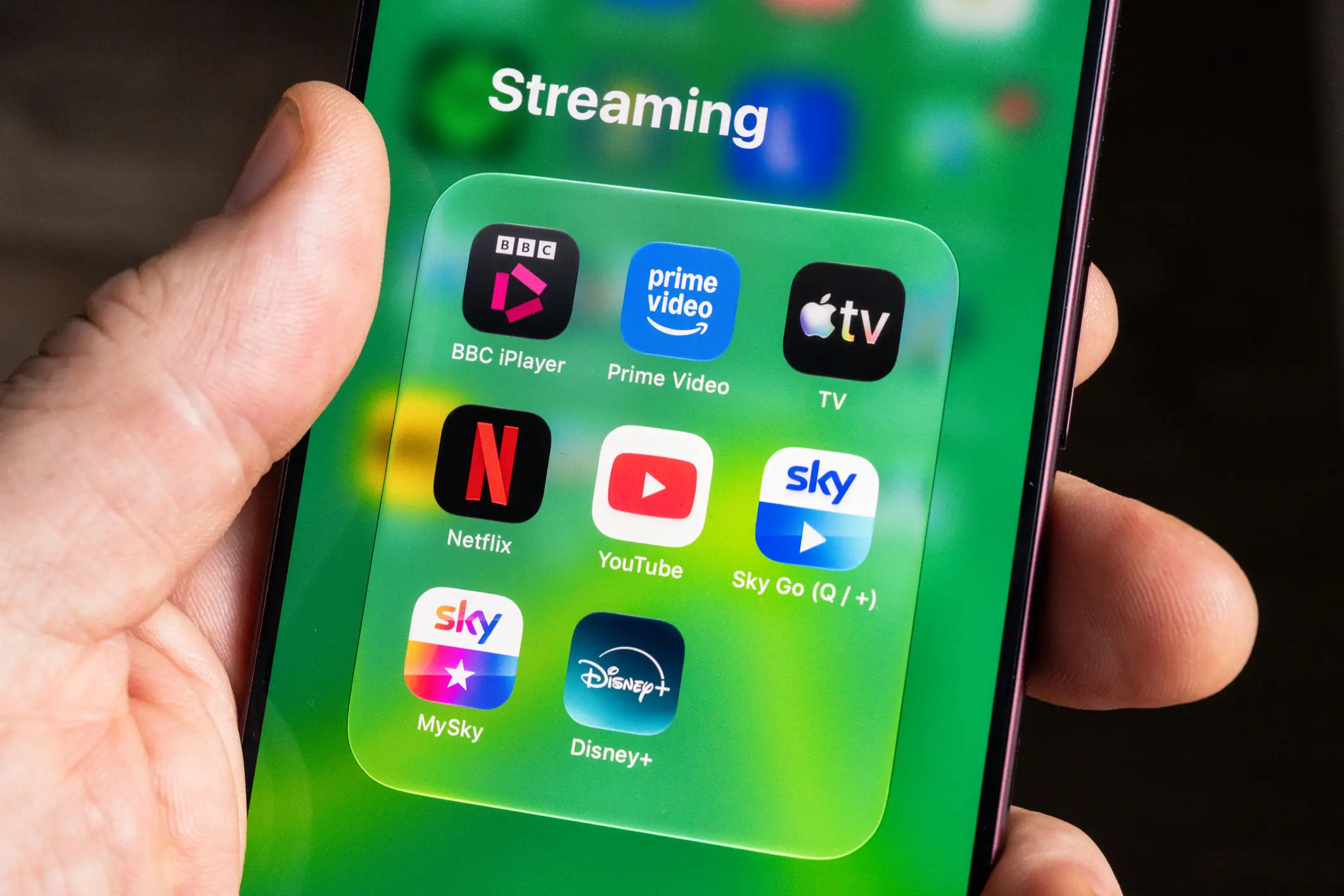
The cheapest cost for a Netflix subscription right now is £7.99 a month, or £95.88 a year, for the subscription service with adverts.
If you want the basic service without ads however, it'll cost you £13.99 a month, or £167.88 a year, while the 'premium' subscription, which includes things like watching on more devices at the same time and improved audio quality, costs £20.99 a month, or £251.88 a year.
The changes to the licence fee themselves are not expected to come into effect until around 2028 at the earliest, and the changes themselves have not currently been confirmed.
While the changes would affect streaming services such as Netflix, video platforms such as YouTube, Instagram, and TikTok would not be included in these changes.
The suggestion has been met with criticism from the opposition, with Conservative Shadow Culture Secretary Rebecca Paul accusing Prime Minister Andy Burnham of reneging on promises to reduce the cost of living.
“The prime minister talks endlessly about giving hardworking families breathing space," she said. “Imposing yet another bill on millions of households makes a mockery of that aim.”
Meanwhile, bosses at streaming services have warned that the move could result in the companies scaling back investment in the UK.
The Department for Digital, Culture, Media and Sport said in a statement: “Through the charter review, we are looking at a range of options, including how the licence fee could be reformed, but no final decisions have been made.”
The BBC is funded by the licence fee in place of advertising, with the corporation reportedly having some £3.8 billion in revenue.
This funds the BBC's TV production, as well as news, radio programming, orchestras, weather, sport coverage, and radio broadcasts around the world, among other things.
These proposals have come at a moment of crisis for the BBC, with increasingly fewer people paying the licence fee, leaving the BBC's future uncertain.
Earlier this year the BBC announced plans to cut around 1,800 roles, including closing down some programmes and services.
LADBible has approached the BBC for comment.
 Kit Roberts