Netflix and Amazon Prime viewers may be forced to pay extra £180 or face £1,000 fine

Potential changes to who needs a TV licence means those who don't watch live TV but do stream the likes of Netflix and Prime Video could end up having to pay, or face a £1,000 fine.
Under current rules the TV licence is for any UK household that watches or records live TV, or streams it with BBC iPlayer, regardless of the device you do it with.
That means if you're watching something on streaming platforms other than iPlayer then you're normally alright not to have a licence, but if what you're watching is live then it means you do need one, and the maximum fine for not paying your TV licence is £1,000.
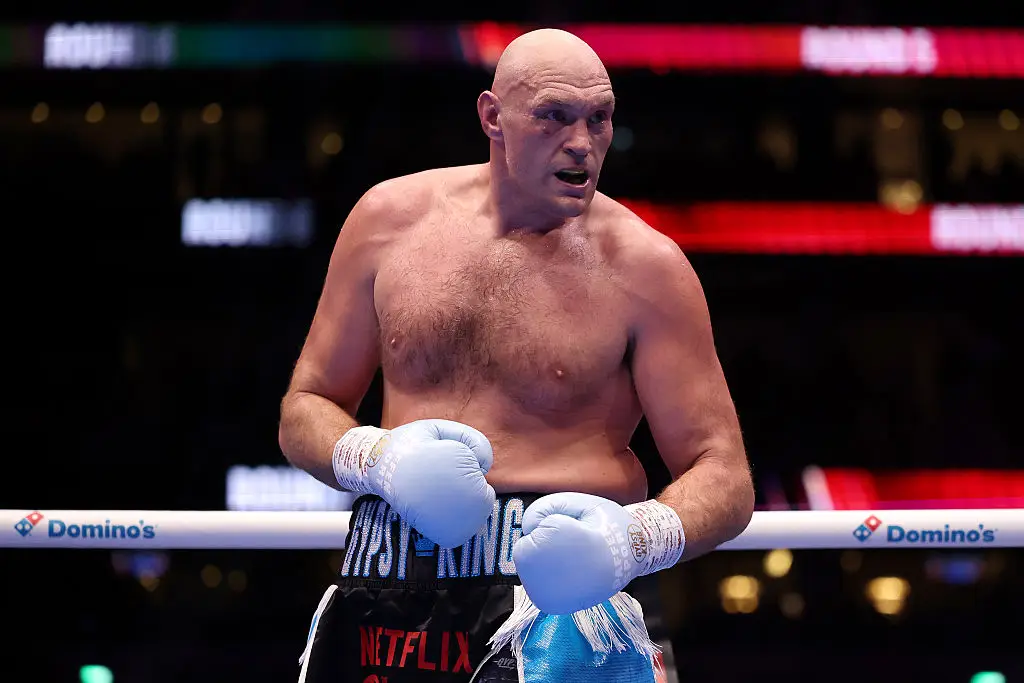
If you want to watch the likes of live football on Prime Video or a live boxing match on Netflix you need a TV licence even though you're already paying a subscription fee to them.
Advert
That's the way it is for now, but The Times reports that it might change in the future as they say they've been told by industry sources that extending the TV licence requirement to streaming platforms is one of the options being considered.
In their attempts to secure the future of BBC funding the government is reportedly 'wary' about moving to a model funded by subscriptions or adverts.
One of the arguments against allowing the BBC to have adverts is that it'll be so popular with advertisers a lot of the ad revenue that the likes of ITV and Channel 4 rely on will go elsewhere and those channels will suffer.
Instead, The Times' industry sources claim the option to expand the criteria of who needs to pay for a TV licence to include people who watch non-live TV on streaming platforms would be preferred.
Back in March when a green paper on the future of the BBC was released they'd reported that around 94 percent of Brits use the BBC, but only around 80 percent of households pay their TV licence, which costs £180 a year.
That meant the Beeb was missing out on around £1 billion in funding, which isn't good news for the public broadcaster that's seen licence fee revenues drop by around a quarter in real terms over the past 10 years.
It's meant budgets have had to be tightened and costs cut, which has a knock-on effect on their output.
The government has also ruled out paying for the BBC with taxes, so finding ways to make the licence fee work may be how the broadcaster survives and continues to operate in the future.
Expanding the licence fee is just one of several options on the table, but we won't know whether viewers of the likes of Netflix or Prime Video will have to start paying a TV licence until later on this year.
The Department for Culture, Media and Sport said: "The government does not comment on speculation. We are reviewing responses to the BBC Charter Review consultation and will set out our decisions in a white paper to be published later this year."
We'll have to wait and see what they come up with.
 Joe Harker