Rabies symptoms you can't ignore after British woman dies from dog scratch

There are five key symptoms of rabies that you must be aware of when it comes to coming in to contact with the deadly virus.
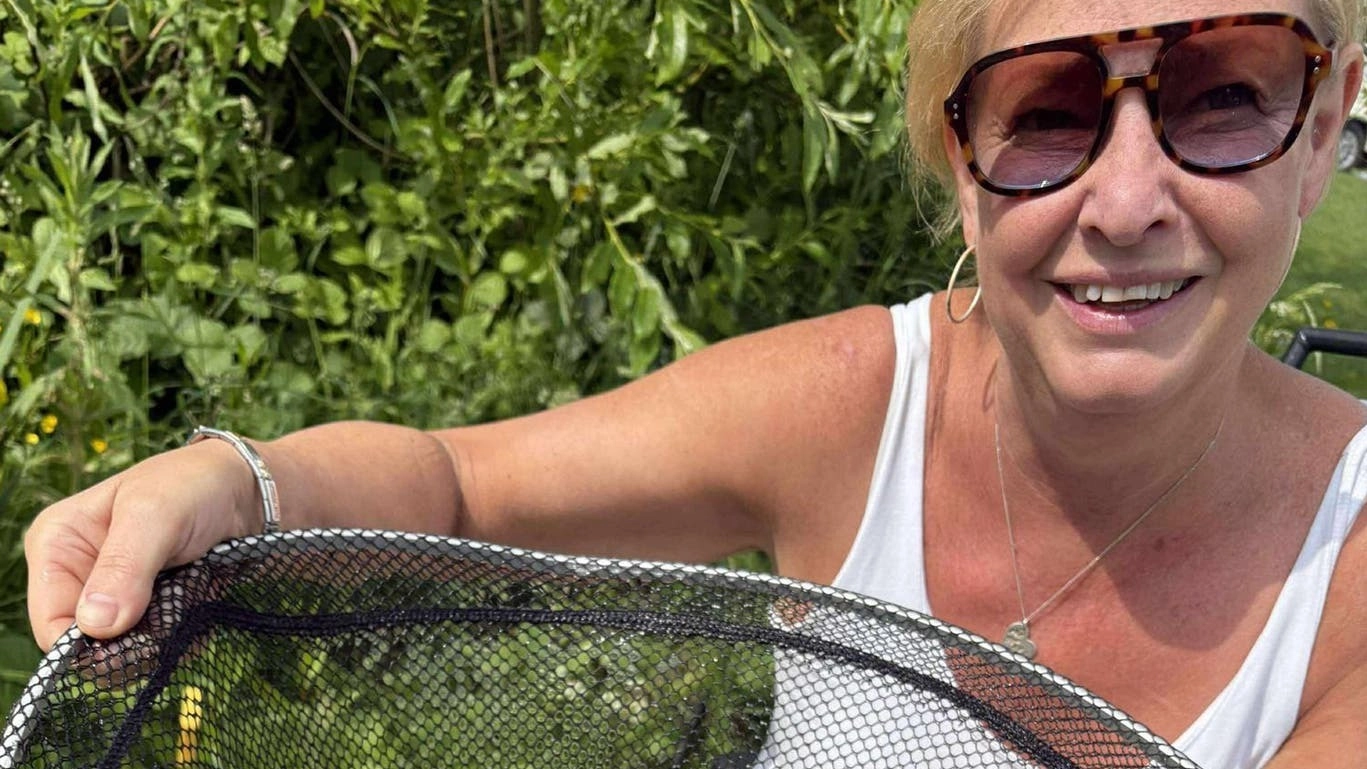
The issue is being brought to light after the death of British grandmother Yvonne Ford. It was on holiday in February 2025 that the 59-year-old contracted rabies; something that would go on to tragically take her life four months later.
Yvonne, from Barnsley in South Yorkshire, had been lying on a beach sun lounger while holidaying in Morocco when a stray dog startled her, leading to the canine scratching her.
It was in June of last year that she found herself admitted to Barnsley Hospital after her physical condition went downhill. There, she was thought to have contracted rabies after initial consultations thought she may have Lyme disease.
Rabies: Signs and symptoms
The NHS reports that symptoms of rabies can appear any where between three and 12 weeks after coming in to contact with the virus. In some cases, it can take a few days and on the flip side, years in others.
Advert
Among the main five symptoms, according to the UK health service, is numbness or tingling where you were bitten or scratched.
Hallucinations, where you see things that do not exist, are also a side effect of the virus.
The NHS adds that 'feeling very anxious or energetic' and 'difficulty swallowing or breathing' can be signs of rabies.
Lastly, it says being unable to move - commonly known as paralysis - is a symptom to watch out for.
"Once symptoms appear, rabies is almost always fatal," the NHS warns.

'Yvonne's death will not be without meaning'
Speaking after the inquest, Robyn Thomson - Yvonne's daughter - said that her mother's death will act as a way to educate others on the warning signs around rabies and how to avoid coming in to contact with the virus.
“No family should have to witness the rapid deterioration of someone they love as we did, with unknown answers for our mum’s symptoms and growing fear of her deterioration," Robyn said.
“Through increased awareness and education, we hope to ensure that others recognise the risks and know the steps they must take to stay safe."
Yvonne's son, Adam Ford, said: “In memory of our beloved mother, our family hope to raise awareness about rabies, not only here in the UK, but around the world. Globally, rabies is responsible for approximately 59,000 deaths every year.
“Despite being preventable, this deadly disease continues to claim thousands of lives. As a family, we feel a deep responsibility to raise awareness about rabies in the hope that greater understanding can help prevent further tragedies.”
Changes to travel history
Coroner Marilyn Whittle, who oversaw Yvonne's inquest this week in Sheffield, has since called for changes in the travel information people must provide their doctors.
Ms Whittle noted that a GP said he would routinely only ask a patient about travel history going back 21 days, and she wanted more information on how this practice had arisen before deciding if a report was needed.
A spokesman for Barnsley Hospital NHS Foundation Trust said: “Our thoughts are with Yvonne’s family following the sad loss of a loved family member in such unusual circumstances. We welcome ongoing discussions with Yvonne’s family about all aspects of her care.”
Since 1946, there have only been 26 known cases of rabies in the United Kingdom.
 Tom Earnshaw