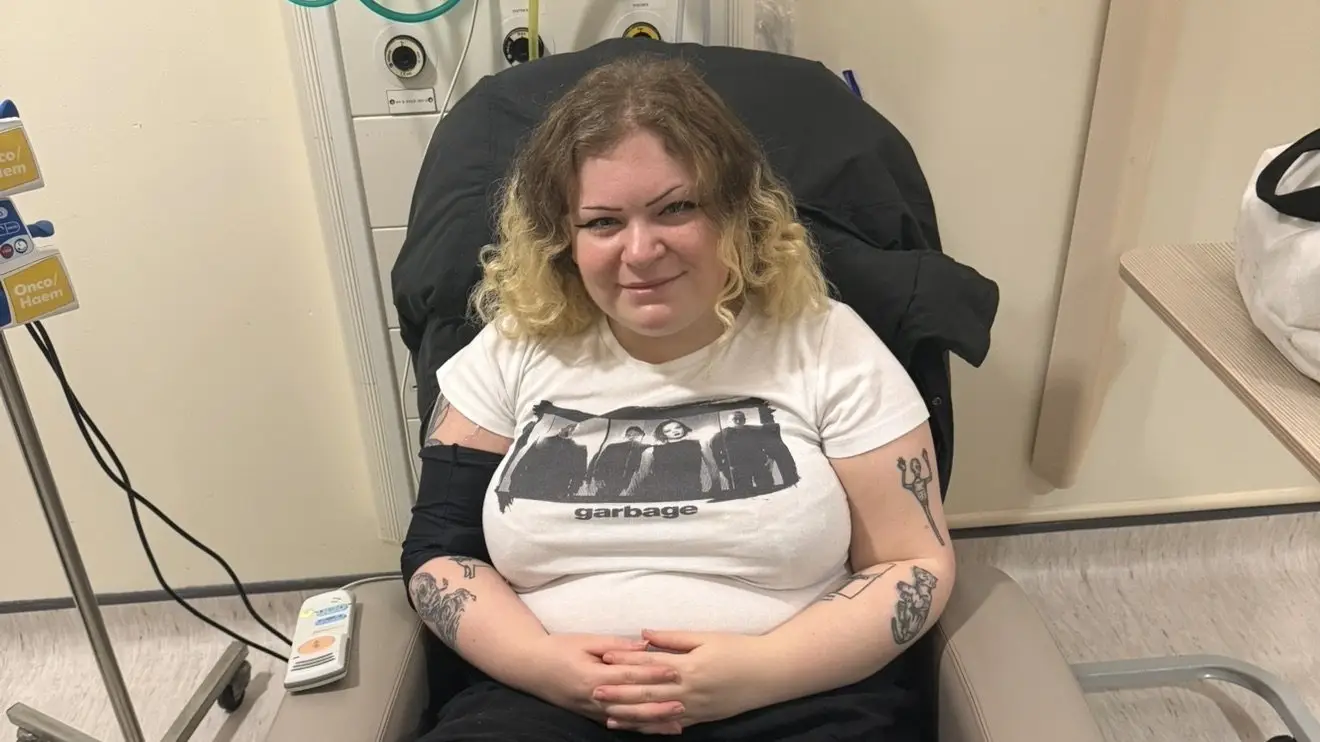
Woman given antibiotics for ‘tonsillitis’ discovers she actually has leukaemia

A young woman who developed a rare form of blood cancer has shared her story as a reminder for others to stay on top of their health.
When Rowan Bland developed a sore throat last year, she was diagnosed with tonsillitis after a visit to her doctor and was prescribed a course of antibiotics.
With symptoms which often resemble the flu, tonsillitis lasts around a week and impacts up to millions of Brits each year.
However, Rowan's symptoms did not ease up, with the 28-year-old developing random bruises across her body as well as bleeding gums and blood blisters in her mouth.
Advert
The creative writing student also suffered from extreme fatigue, meaning that she often felt dizzy when walking, as well as clusters of rashes and extremely heavy periods.
Rowan was sent for further blood tests for suspected glandular fever – only to be diagnosed with acute promyelocytic leukaemia (APL), a rare form of acute myeloid leukaemia.
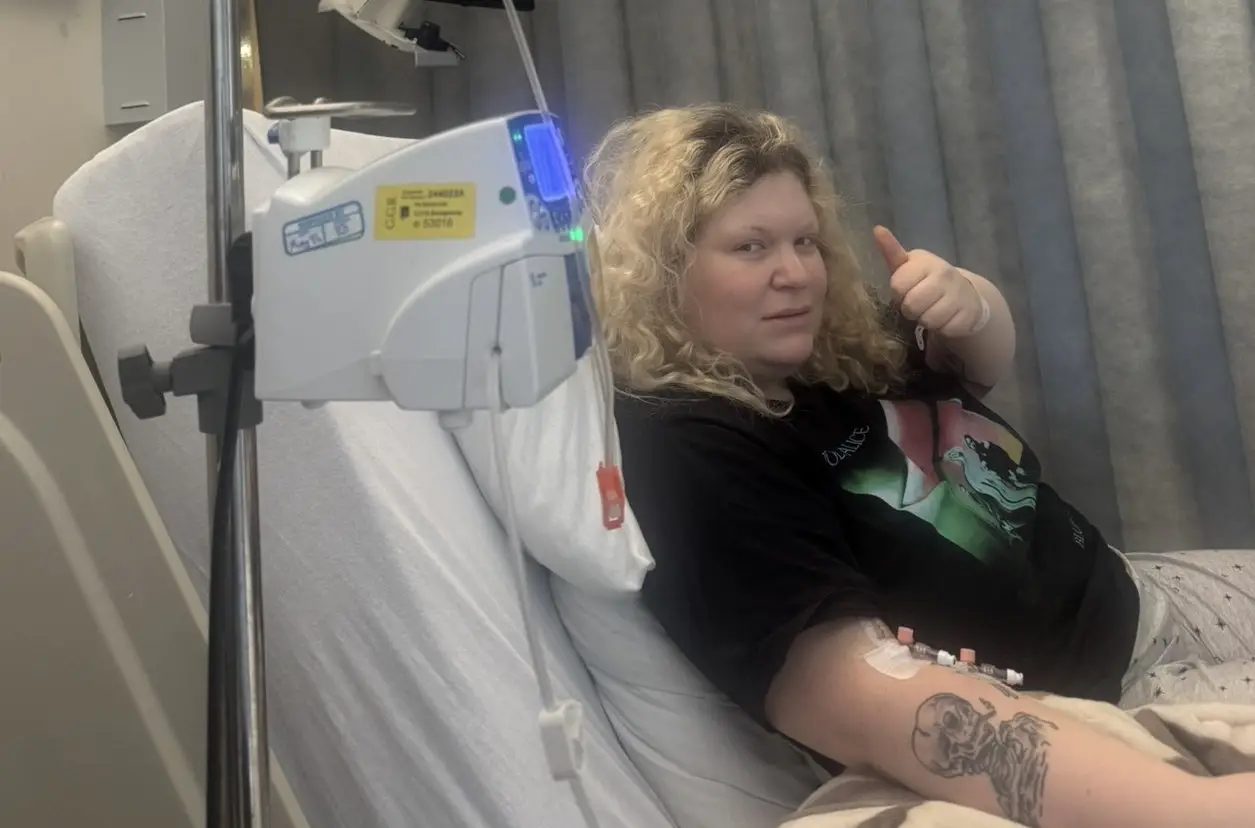
Reflecting on the life-changing diagnosis, the Edinburgh native explained that she hadn't previously known anything about the disease, which is a group of blood cancers which attack the white blood cells in your bone marrow.
"I was pretty happy with the assumption of glandular fever because a lot of unspecified illness in people my age, I thought, kind of tracks," she said, adding that she'd believed the misconception that 'leukaemia is for babies'.
"And cancer is always like a lump. That was my mindset."
She added: "Just because you're young, it doesn't mean you can't get a serious illness. I was a bit naive in my health. I just took it for that."
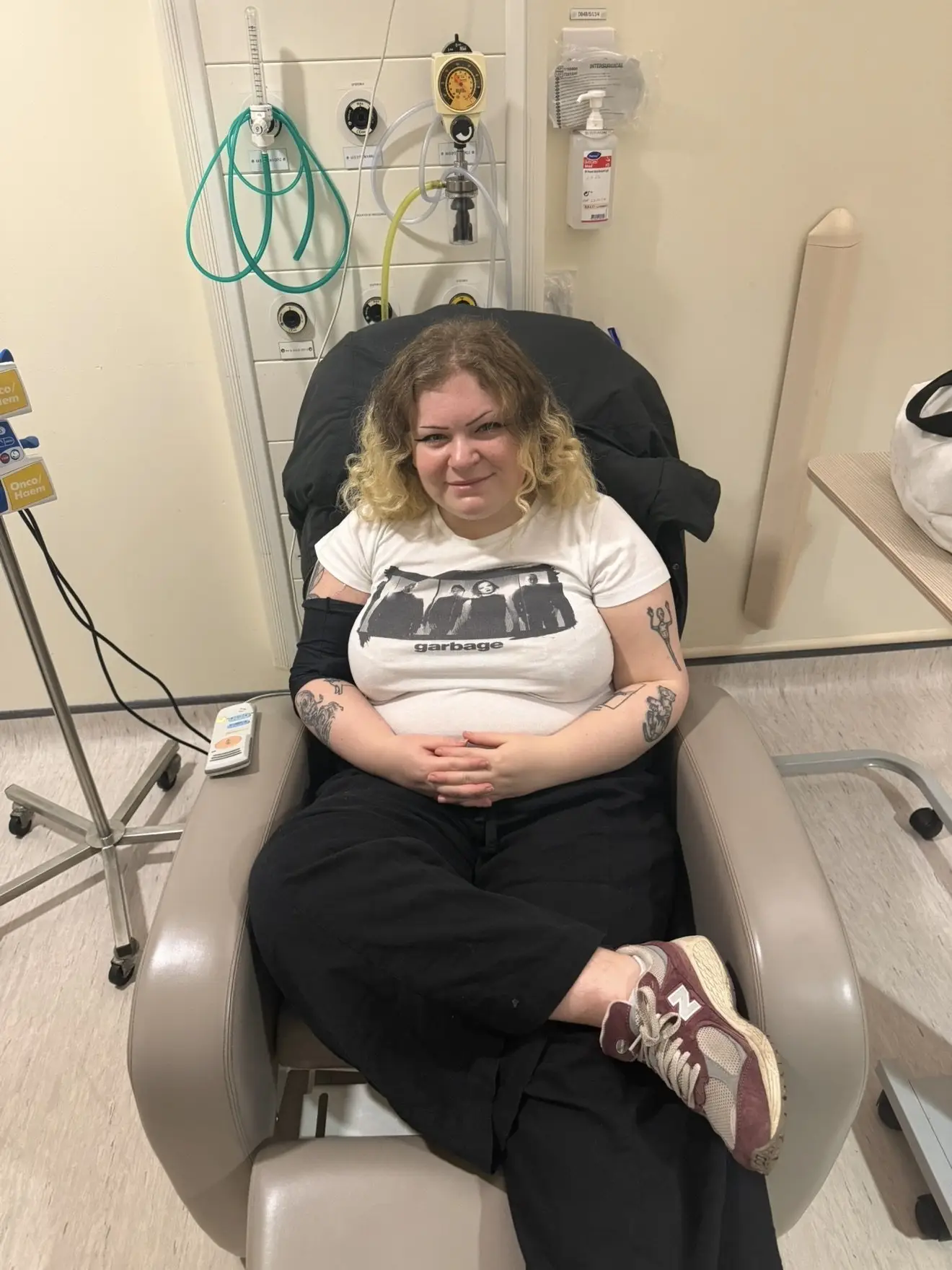
"I was feeling worse and worse."
Informed by doctors that she was seriously ill, Rowan was transferred to the Beatson West of Scotland Cancer Centre in Glasgow the following day after arriving in A&E for further diagnositc tests.
It was revealed that her blood counts were extremely low and she immediately needed blood and platelet transfusions.
She would remain in hospital for around six to seven weeks, undergoing treatments such as induction treatment, intravenous arsenic and ATRA tablets every day.
Despite complications such as sepsis and blood clots, the treatment worked, and Rowan was now in remission, meaning that she was allowed to undergo six months of chemotherapy as an outpatient.
She completed the cycle in November 2025, with a subsequent bone marrow biopsy in January revealing that she had no evidence of the disease. Rowan now has monthly blood tests to monitor her health.
"If you feel like something isn't right, you need to push harder."
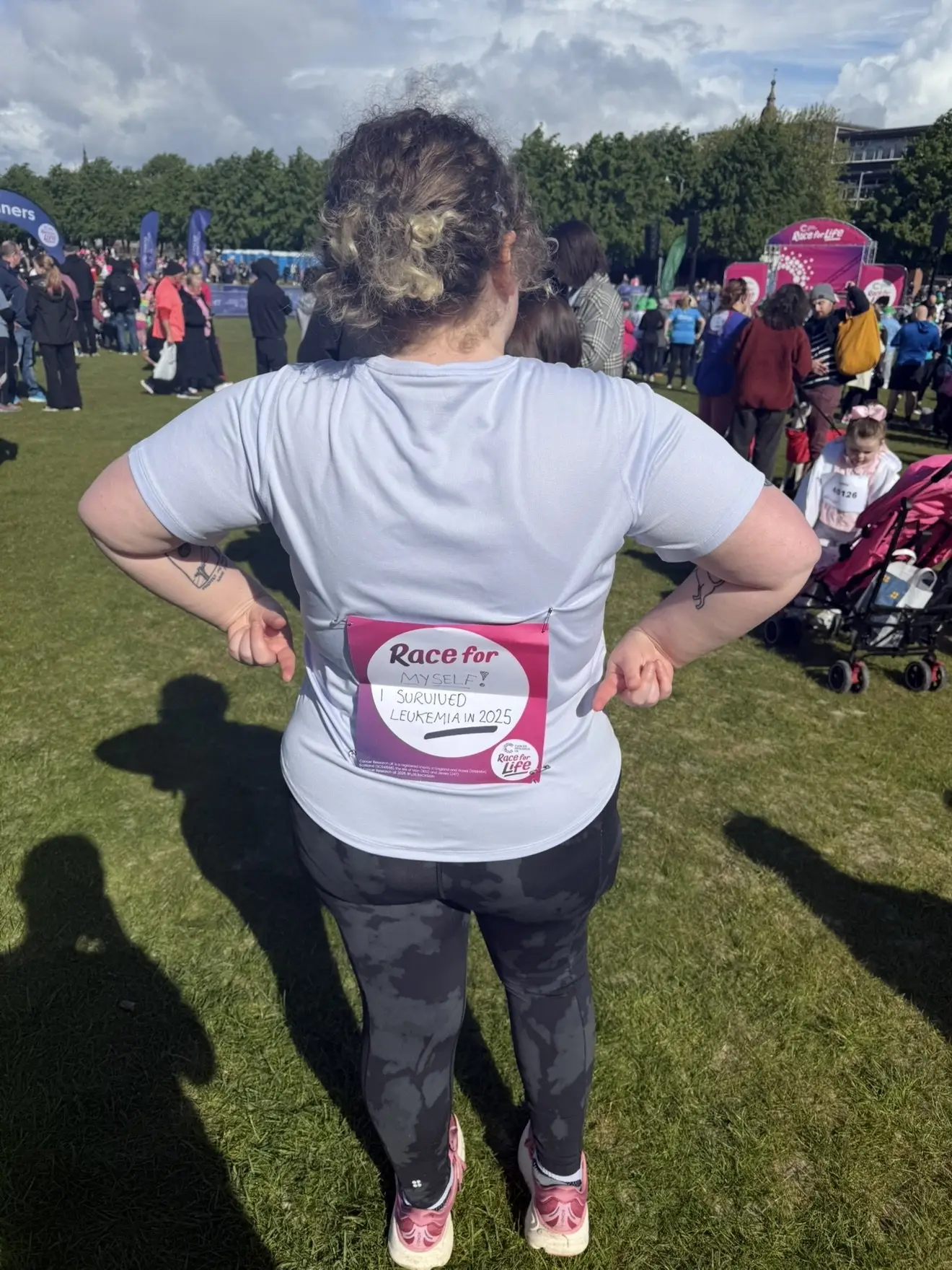
Still in remission, Rowan says the diagnosis has left her feeling like a 'completely different person'. She has since completed a 5K Race for Life in Glasgow, is currently training for a 10K and hopes to raise awareness about cancer in young people.
"If you feel like something isn't right, you need to push harder," she said. "I would just tell people to really push for things like blood tests.
"I went undiagnosed for over a month and that could have ended very badly for me."
 Brenna Cooper