Free Octopus energy discount given for one-hour solar eclipse request - how much you'll save

Brits are being urged to use less electricity during Wednesday's historic solar eclipse.
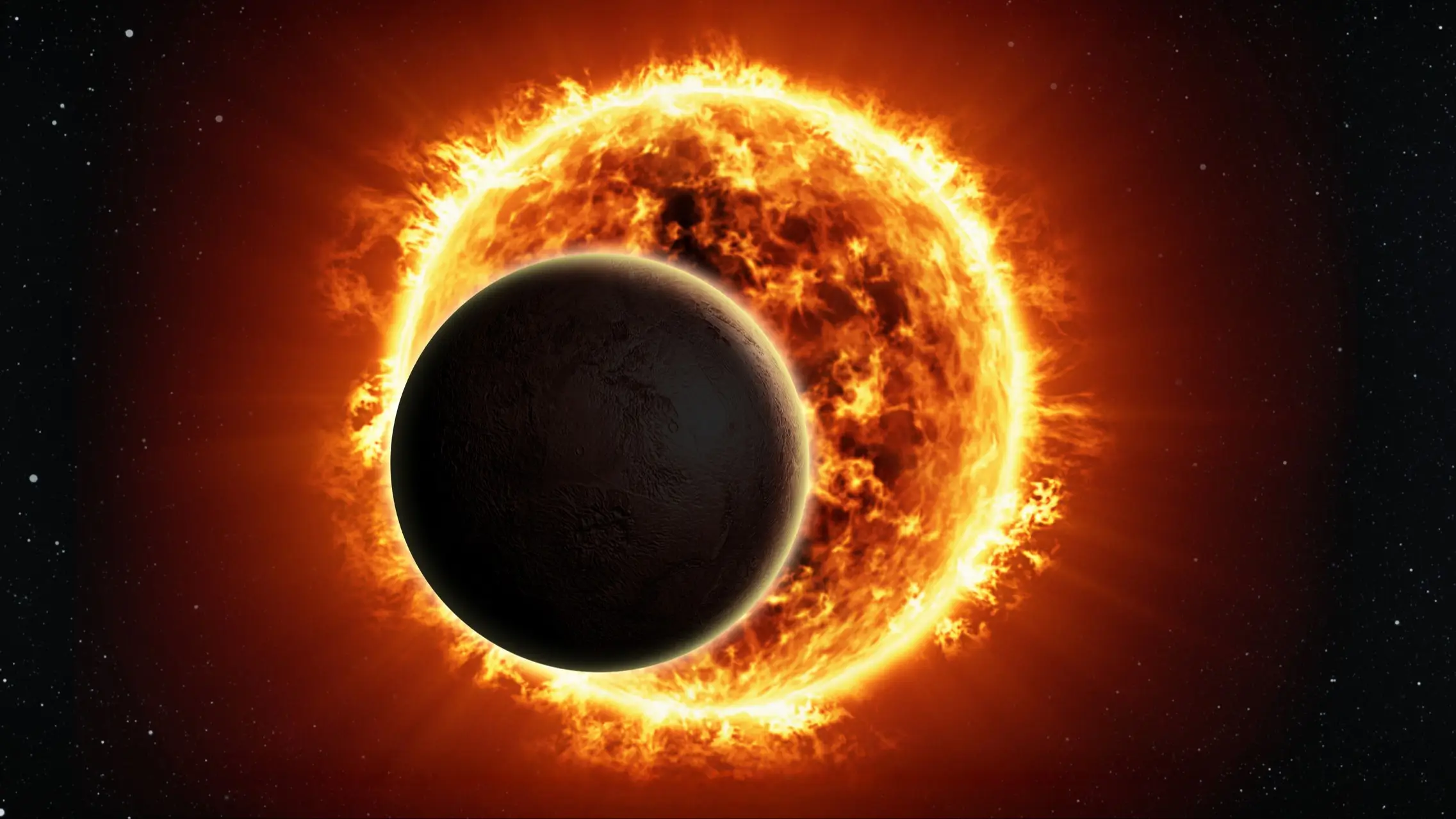
The United Kingdom, as with much of Europe, will experience its deepest solar eclipse in decades on August 12, with the moon set to cover 90–96 per cent of the sun during its peak, with the whole event to last about two hours.
However, it turns out not having the full power of the sun roaring down for such a long amount of time can have a serious impact on the country's power supply.
As a result, Octopus is incentivising its customers to 'power down' between 6pm-8pm in order to not put further strain on a national power grid that is already stretched thin amid yet another heatwave.
Advert
The UK's largest home energy provider are offering customers signed up to its Octopus' rewards programme, Octoplus, and to its Octopus' Saving Sessions a free hour of electricity if they use less than usual during the eclipse.
If you qualify for the reward, the hour will come on Sunday, August 16, and be used during the day time.
Why the solar eclipse will impact the UK's power supply

Octopus explains that 14.4 per cent of Britain's electricity in July was generated by solar power, a record high.
As a result, two hours without sunshine leaves a significant gap that has to be filled.
That's especially the case given the eclipse is taking place during the highest demand for power in the day, when people typically get home from work and flick on their household appliances to cook, clean and relax.
So to reduce the need to rely on extra gas power stations, Octopus has urged customers to delay putting on the washing, firing up the dishwasher or relaxing in front of the TV and playing a games console until the eclipse has finished.
Thankfully, the fact many people will be out at that time to witness the eclipse for themselves should also help.
Octopus calls household flexibility 'one of Britain's biggest untapped energy resources'.
Rebecca Dibb-Simkin, Chief Customer Officer at Octopus Energy, said: “Many of us will be looking up at the sky on Wednesday evening to experience this once-in-a-generation event. But as the Sun disappears, so will some of Britain’s solar generation, just as demand peaks.
“By shifting everyday tasks like the washing machine or dishwasher until later, households can help reduce the need for gas power stations - and earn rewards for doing their bit.”
How much you could save with a free hour of electricity?

So how much would you actually make in a real saving from an hour of free power?
Well, it's capped at 16kWh, so using that power consumption over a day we can calculate an average hourly cost.
The current flexible Octobpus benchmark of 22.11p/kWh, including VAT, equals £4.18 per day.
Spreading that out over 24 hours equals 17.4p per hour.
However, the average price for an entire day doesn't actually reflect what you'd pay for a typical hour when you're awake, rather than when you're sound asleep in the middle of the night.
So if you used the hour to hammer your electricals and get all the chores done, the savings could increase further.
Then you have a standing charge, which is about 77.19p per day, which adds another 2.4p an hour to the savings.
So you're looking at an average minimum saving of 19.8p.
 Daniel Murphy