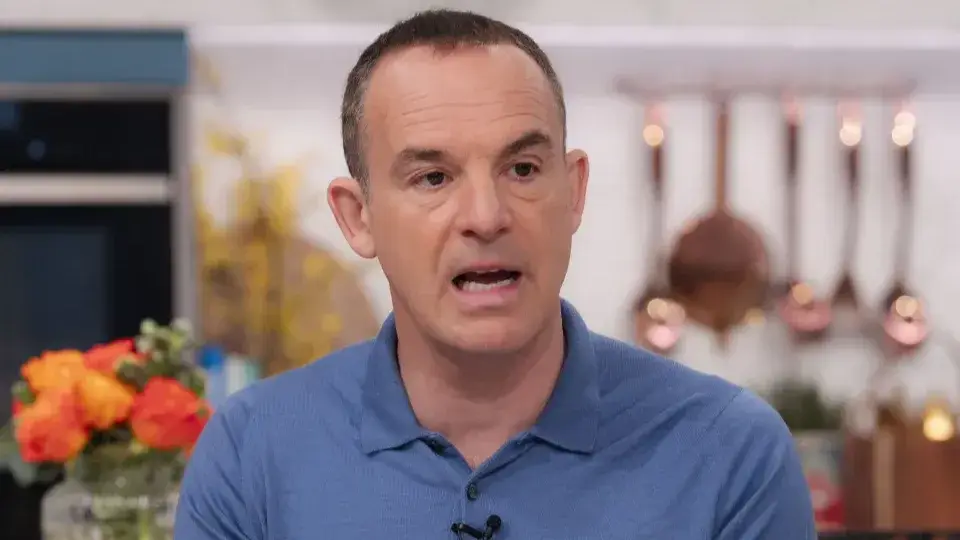
Martin Lewis shares how to avoid new 13% energy price cap rise arriving in July

Energy bills are set to increase this summer – here's what you can do to avoid it.
Today (27 May), energy regulator Ofgem announced a 13 percent increase in the energy price cap, effective from 1 July until 30 September 2026.
Now I know what you're thinking: the cost of living is already high, and the price of my food shop keeps rising, so how am I supposed to afford another increase in my bills?
Fortunately, Martin Lewis has weighed in on the matter, urging Brits to move onto a fixed rate ahead of July.
Advert
"These changes only apply to those on firms’ bog-standard tariffs," he wrote in his latest MoneySavingExpert newsletter.
"That means everyone on the Price Cap should consider getting off it, if they can."
Lewis recommended moving to a fixed rate below the current cap, allowing you to avoid the July increase and potentially save as much as 15 percent throughout the summer months.
Ofgem estimates that around 40 percent (22 million) of UK households are currently on a fixed tariff.
The current price cap for a typical household paying by direct debit for gas and electricity is £1,641. Based on the energy use of a typical domestic household, from July, the price cap will rise by £18 a month for the average household using both electricity and gas if this level were sustained for a year.
Meanwhile, those who aren't able to switch before July should aim to do so by October, as energy prices are likely to rise again. Anyone who is on a fixed rate which is coming to an end soon (50 days or less) is also advised to 'ditch and switch', but only if they see a cheaper deal available.
He added that anyone who pays their energy bills via direct debit should be eligible to switch to a fixed rate.
You can check whether or not your energy bills are fixed or on a price-capped tariff by using MSE's tool here.
Why are energy bills increasing?
Ofgem explains the latest rise to the price cap is due to an increase in wholesale gas prices, which have spiked following US and Israeli attacks on Iran – which means you can blame Donald Trump for your inflating bills.
Meanwhile, analysis from the Energy and Climate Intelligence Unit (ECIU) stated that Brits should expect to see continually high prices for essential food items such as bread and pasta, due to the ongoing crisis in the Middle East and 'Super El Niño'.
Topics: UK News, Money, Martin Lewis
 Brenna Cooper