Archaeologists make major breakthrough near Stonehenge with 'lost ring of pits' discovery

Near the site of Stonehenge a team of archaeologists made a discovery of a 'lost ring of pits', which they believe could have been dug as part of a belief in the underworld.
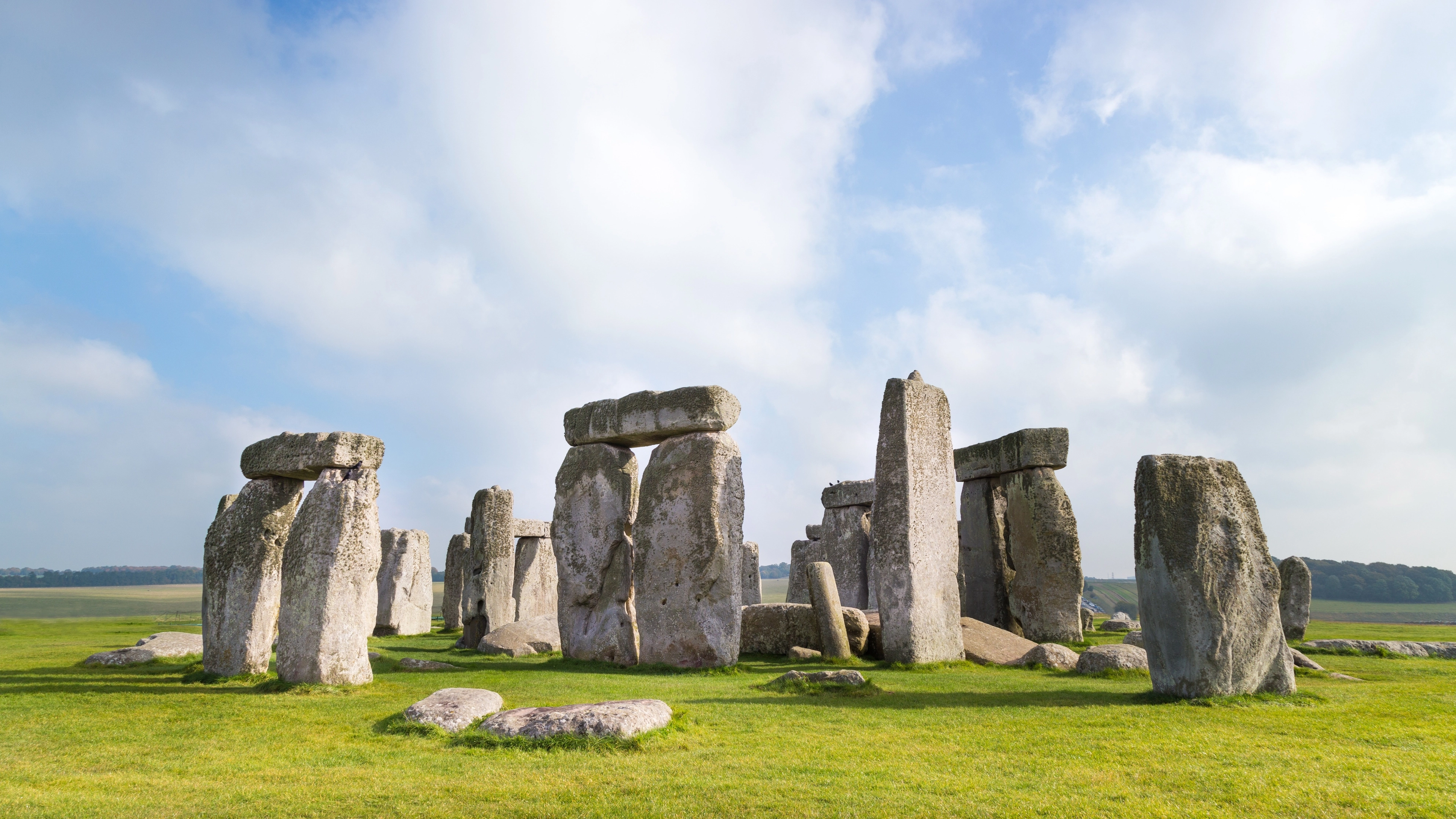
Stonehenge is a famous and historical site of ceremony and burial constructed with rocks from very far away, which has developed into a fascination for historians as they've yearned to work out exactly what it was ancient Britons were doing.
Why did they carve these rocks and bring them across such great distances and assemble them into a structure which still stands many eras later?
There have been plenty of theories, some more supernatural than others, but at present the most popular one is that it was a prehistoric temple where the stones were built in alignment with the movements of the Sun.
Advert
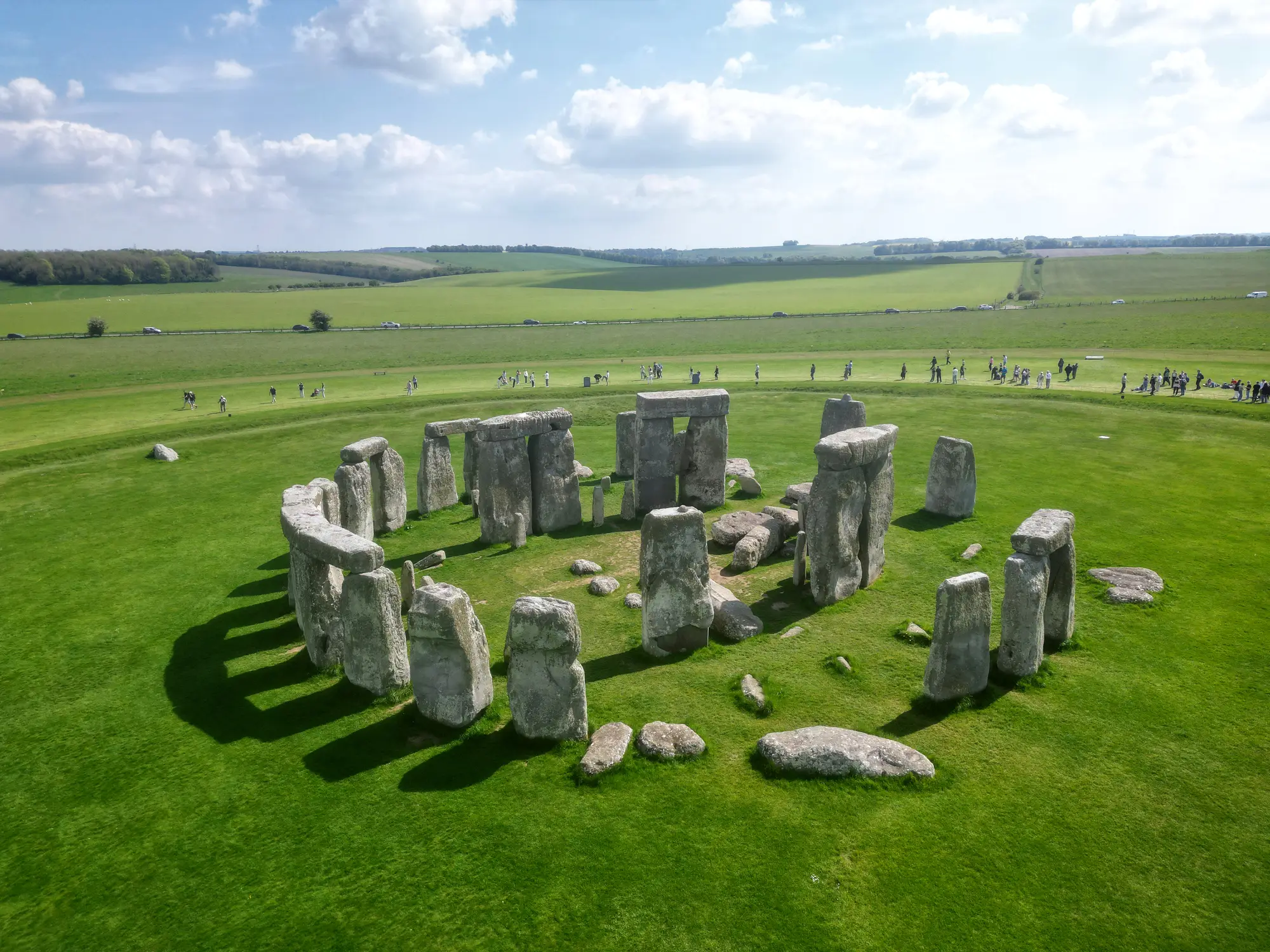
The whole thing was built between 3100 BC and 1600 BC, and at the end of the day the people who made it must have had a motivation for it.
In the area around Stonehenge, called Durrington Walls, a team of archaeologists from various universities say they've found a series of Neolithic pits dug nearby, some of them 10 metres wide and five metres deep and spaced at regular intervals.
According to the archaeologists, these pits are over 4,000 years old and were man-made, indicating that the site of Stonehenge hosts more than just the famous display of rocks standing above ground.
Professor Vince Gaffney, of the University of Bradford, told the BBC that the pits were also linked to another nearby monument and would have taken effort to make.
He said: "The circle is pretty accurate. It suggests that people were pacing the distances out to make sure that the pits were aligned at the same distance all the way around as the distance from the henge to the earlier enclosure.
"They're inscribing something about their cosmology, their belief systems, into the earth itself in a very dramatic way."
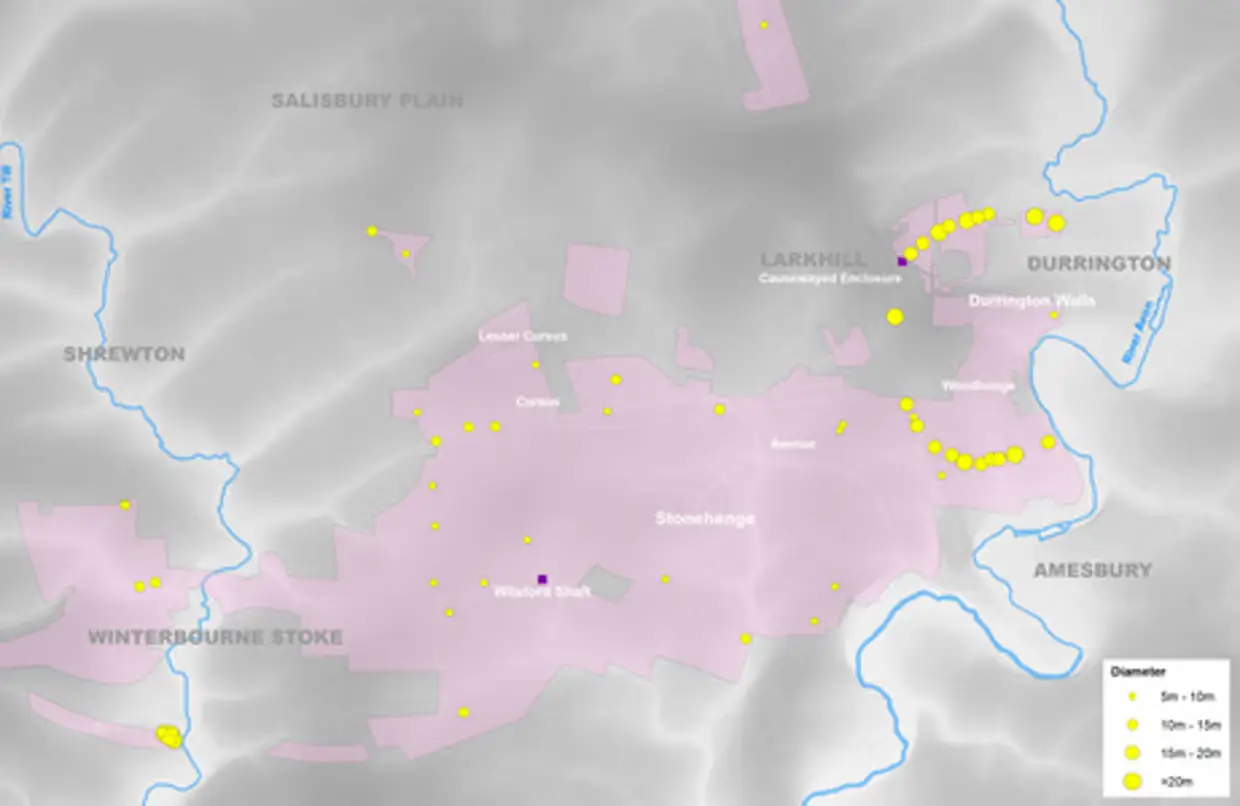
The ring of pits was first found in 2020, and Professor Gaffney told The Guardian that studying repeating soil patterns indicated that the underground structures 'can’t be occurring naturally'.
Exactly why they were dug and the thinking behind them is likely a mystery we will never get a definitive answer to, largely since the people who dug them died thousands of years ago and left no note explaining themselves.
However, Professor Gaffney suggested that it could be connected to a belief in the underworld, and at least shows that ancient peoples were able to muster a significant workforce to put all this together.
"Now that we’re confident that the pits are a structure, we’ve got a massive monument inscribing the cosmology of the people at the time on to the land in a way we haven’t seen before," he said.
"If it’s going to happen anywhere in Britain, it’s going to happen at Stonehenge."
Topics: UK News, History, Archaeology, Science
 Joe Harker