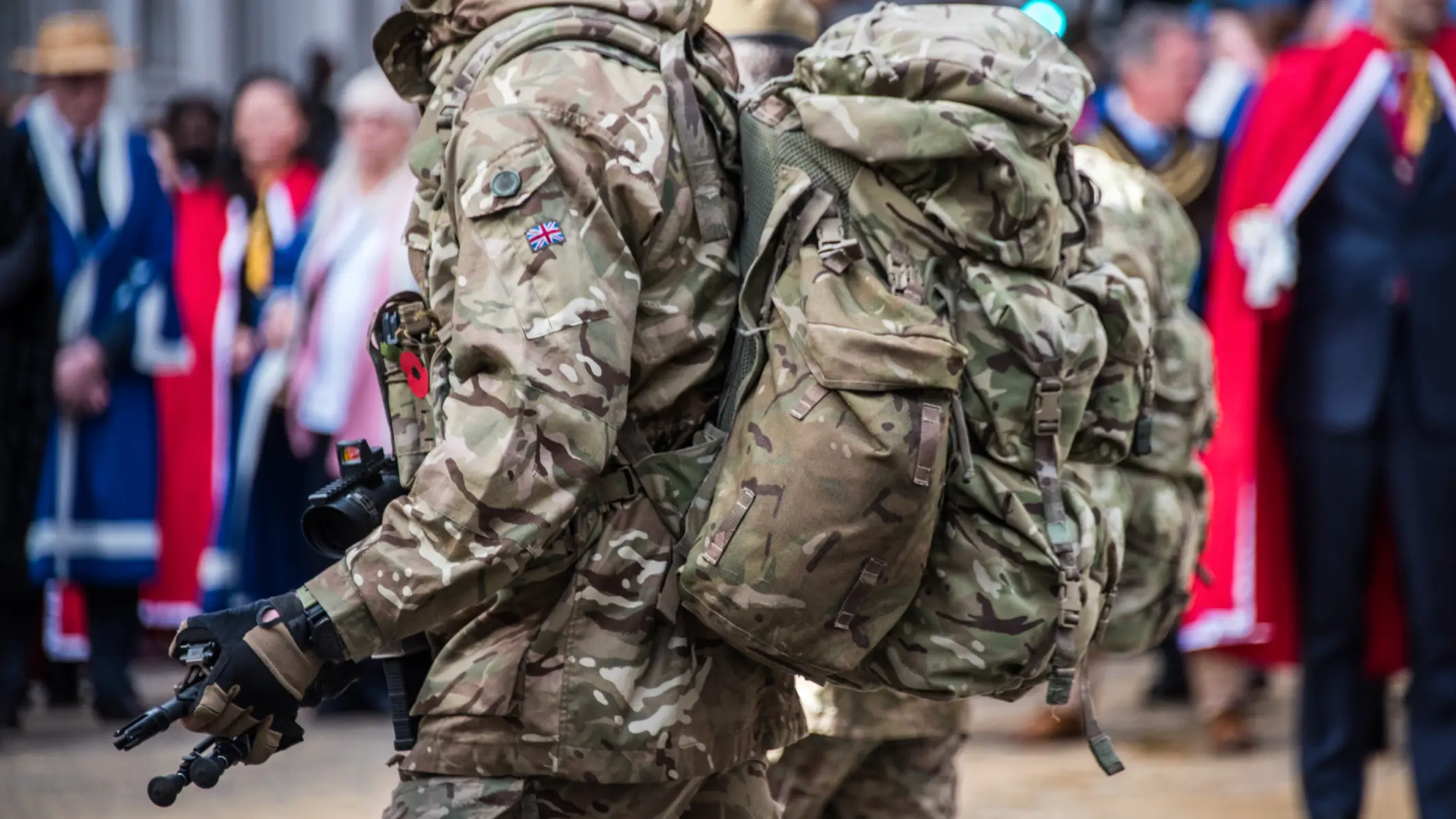
UK conscription rules explained as list of five groups most likely to serve first revealed

Fears about a potential Third World War continue to grow as news of the UK government putting more time and money into strengthening the military has caused people to worry about conscription becoming a possibility.
The job groups who are most likely to be safe from the process have previously been revealed, as bakers, farmers, doctors, nurses and engineers will likely be exempt due to their connections to the food and healthcare industries.
It hasn't been confirmed if it will be formally introduced in the UK, though, with a turbulent start to 2026, you wouldn't be blamed for being cautious.
Donald Trump decided to order the US military to carry out strikes on Venezuela and abduct the president of the country, Nicolás Maduro, in the first week of the year.
Advert
Claiming the US would 'run' the South American country, it only adds to growing global geopolitical tensions, as the ongoing conflicts between Russia and Ukraine, and that between Israel and Palestine, show no signs of letting up.
What is conscription?
Conscription is introduced when a military needs people to fight in a war, but there aren't enough volunteers for the armed forces, meaning that you'll legally have to fight if you are able to.
First introduced in the lead-up to World War II, Sir Richard Knighton, Chief of the Defence Staff, recently said he 'cannot see conscription returning in the short term'.
He added that there were 'no plans' to bring it in in the UK, but warned that 'the situation in the world may deteriorate very significantly'.
Meanwhile, Prime Minister Keir Starmer told the News Agents podcast last year that such a proposal has ‘never crossed my lips’.
What happens if you refuse conscription?
You may consider refusing conscription, a decision which would have got you a lot of grief in World War II, though the government often found work in farming, hospital work, civil defence or forestry for these individuals, or non-combat military roles.
If they chose to refuse all war-related work, they would be thrown in prison.
But as Starmer signed a deal to deploy British troops in Ukraine in the event of a peace deal with Russia, it isn't clear how far we are from another global conflict.
Which groups are most likely to serve first?
Young, fit men
History points towards this group being drafted first, specifically those in the 18 to 25 age bracket.
They are prioritised as troops as they can be trained quickly and have the physical capability to undergo a long-term conflict.
We have to rewind the clock to early 1939 for the UK government's precedent for this, as they introduced limited conscription for those aged 21 to 22.
Though when the war was declared, the group was expanded to those between 18-41.
Single people with no children
Family status has long been a huge factor in figuring out who's sent to fight for the nation, with the government even introducing a phased approach to conscription during the Second World War.
They would draft single people without children first to avoid disrupting families.
Women
This would be different to historical precedent, as women are more likely than ever to face conscription in any future conflicts.
Women between the ages of 20 and 30 were called up for roles related to WWII, including nursing, munitions, and auxiliary positions
The line between auxiliary and combat roles has disappeared in the modern age, as a 2024 YouGov poll even found that 72% of Brits support women fighting on the frontlines.
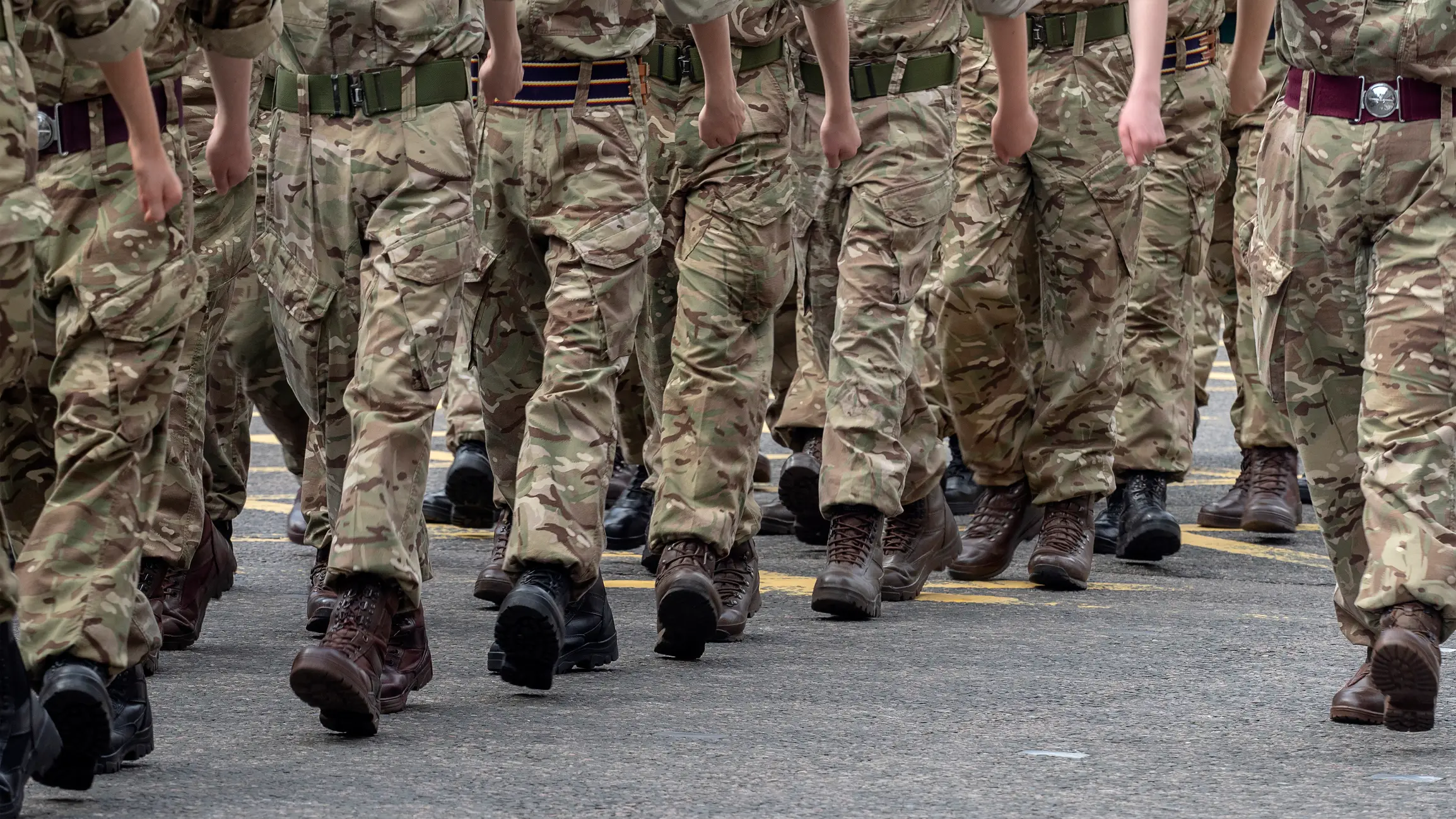
Ex-soldiers and reservists
Former military personnel are likely to be drafted as they have already been trained to fight for the nation.
Older people
Finally, older people would be drafted if the war were to continue for longer periods of time.
People aged up to 51 were conscripted in the closing stages of WWII, while those aged 52-60 had to serve in the civil defence.
Topics: UK News, Keir Starmer, Army, World News
 Joshua Nair