Urgent warning issued as salmonella cases hit 10-year record

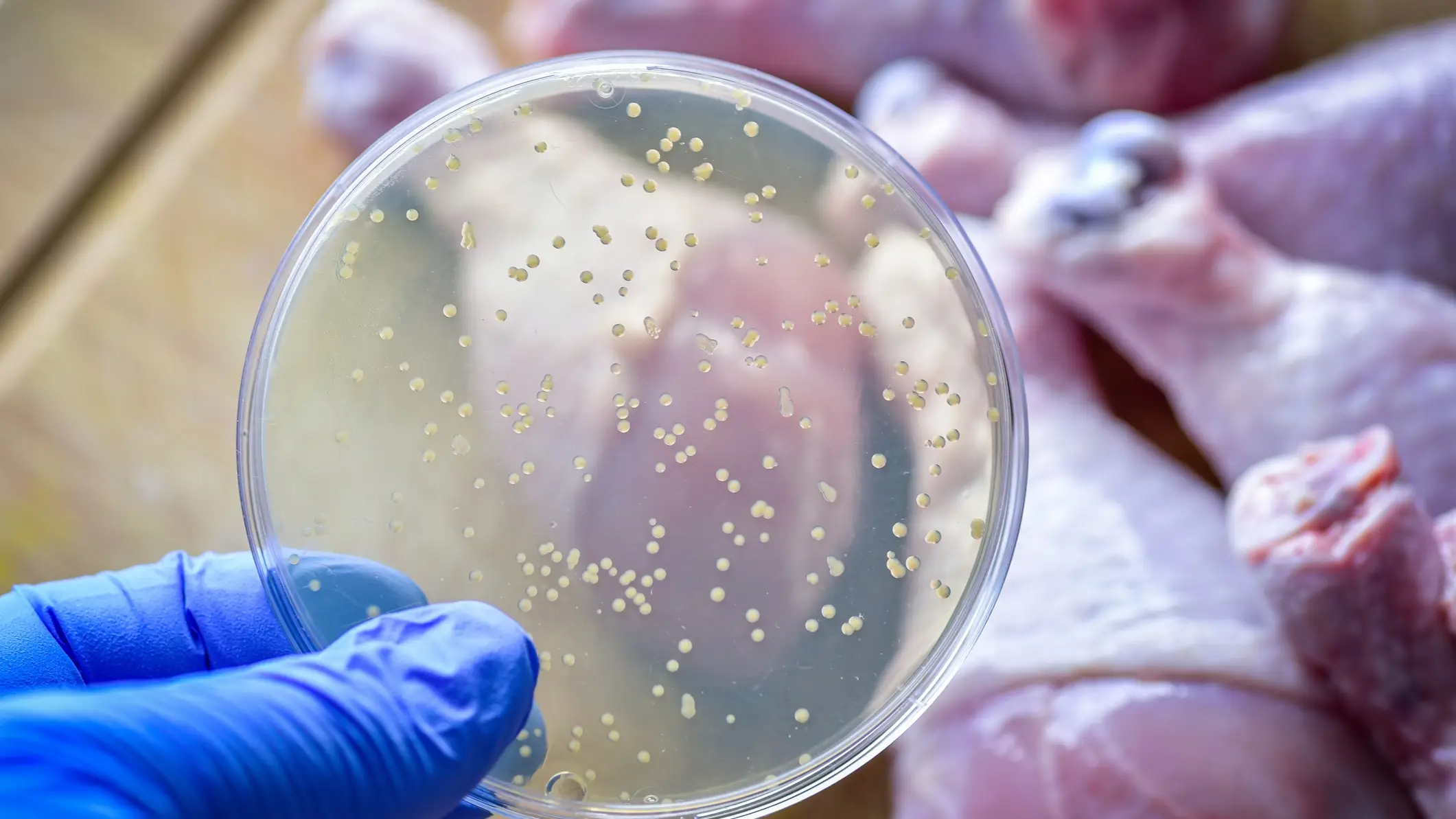
The UK Health Security Agency (UKHSA) has urged people to be vigilant over food poisoning, after recording record cases of Salmonella.
Anyone who's experienced the agonising stomach cramps and constant trips to the toilet which come hand-in-hand with food poisoning will know it's no joke – and yet, the bacteria responsible for such misery are at a record high in England.
According to new data released by UKHSA, there are consistently high levels of Salmonella and Campylobacter across the country.
Here's what you need to know.
Advert
Figures revealed that Salmonella cases had increased from 10,389 in 2024 to 10,406 in 2025, making the highest recorded figure of the decade.
Meanwhile, Campylobacter cases remained high but fell slightly from 70,392 in 2024 to 69,394 in 2025.
What is Salmonella – and how does it spread?
According to the NHS, Salmonella is an infection of the gut caused by either Salmonella enterica or Salmonella bongori.
It's most likely to spread through contaminated food, such as poultry, meat, eggs, raw fruit or vegetables and unpasteurised milk products.
It can also be transmitted through faecal contamination. While uncommon, Salmonella can be passed from person to person through poor personal hygiene or changing the nappies of an infected person.
Like Salmonella, Campylobacter is also passed through the consumption of contaminated food, leading to food poisoning.
Symptoms of food poisoning include:
- Watery diarrhoea
- Stomach cramps
- Vomiting
- High temperature
Meanwhile, cases of listeriosis, a type of food poisoning caused by Listeria bacteria, remain similar to previous years, with 181 cases reported in England and Wales in 2025.
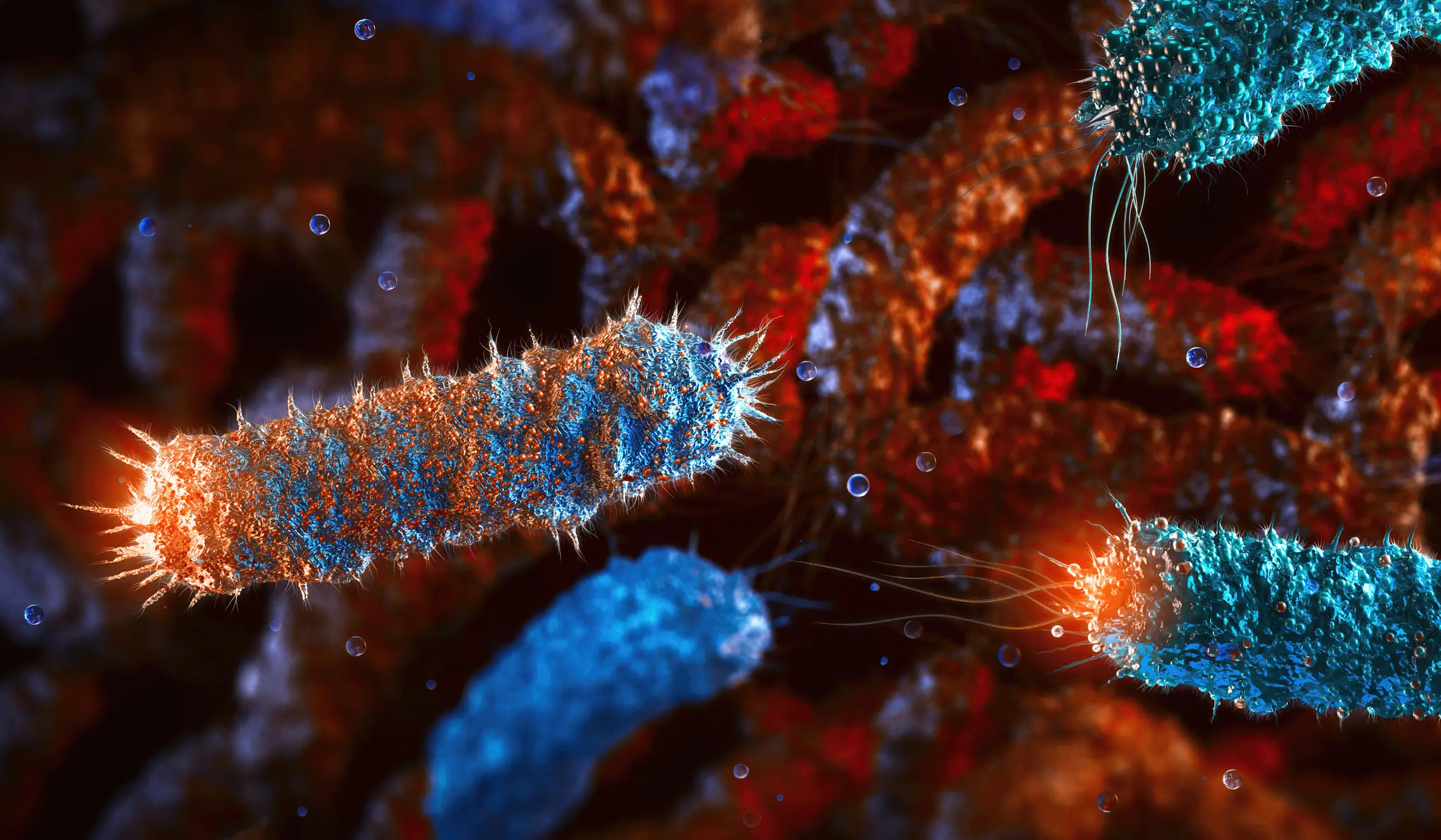
Listeriosis is usually caught by eating contaminated raw, chilled, or ready-to-eat foods. Most people will experience mild symptoms, however it can cause serious illness in older and immunocompromised people.
It's particularly dangerous if caught during pregnancy, as Listeriosis can lead to miscarriage, stillbirth, or severe illness in newborn babies.
Likewise, Salmonella and Campylobacter can also cause more severe illness and complications in elderly people, children under five and immunocompromised people.
"We are seeing consistently high levels of gastrointestinal infections in England. We continue to work closely with partners to detect, investigate, and stop the spread of these infections," Dr Gauri Godbole, Deputy Director for Gastrointestinal Infections at UKHSA, said of the statistics.
Dr Godbole went on to add that washing hands thoroughly after 'using the toilet, handling raw meat, eating, and contact with animals or farms' can help prevent the spread of infection.
"Anyone experiencing diarrhoea or vomiting should avoid handling or preparing food for others, should not return to work, and children should not attend school or nursery until at least 48 hours after symptoms have cleared," Dr Godbole added.
Topics: UK News, Health, Food And Drink
 Brenna Cooper