Expert explains what would actually happen if UK power cuts out in 'black sky event'

An expert has explained exactly what would happen if the UK faced a major power outage, dubbed a 'black sky event' which could be 'critically difficult' for some.
A 'black sky' event defines a catastrophic scenario in which the national electricity grid suffers a complete and prolonged outage across the UK.
If it happened, it would likely cause failures across critical and major infrastructure such as internet and mobile connectivity and also water supplies, sewage systems, payment systems and shops.
Although it is thought to be pretty unlikely, the potential concept has gained significant attention in recent weeks.
Advert
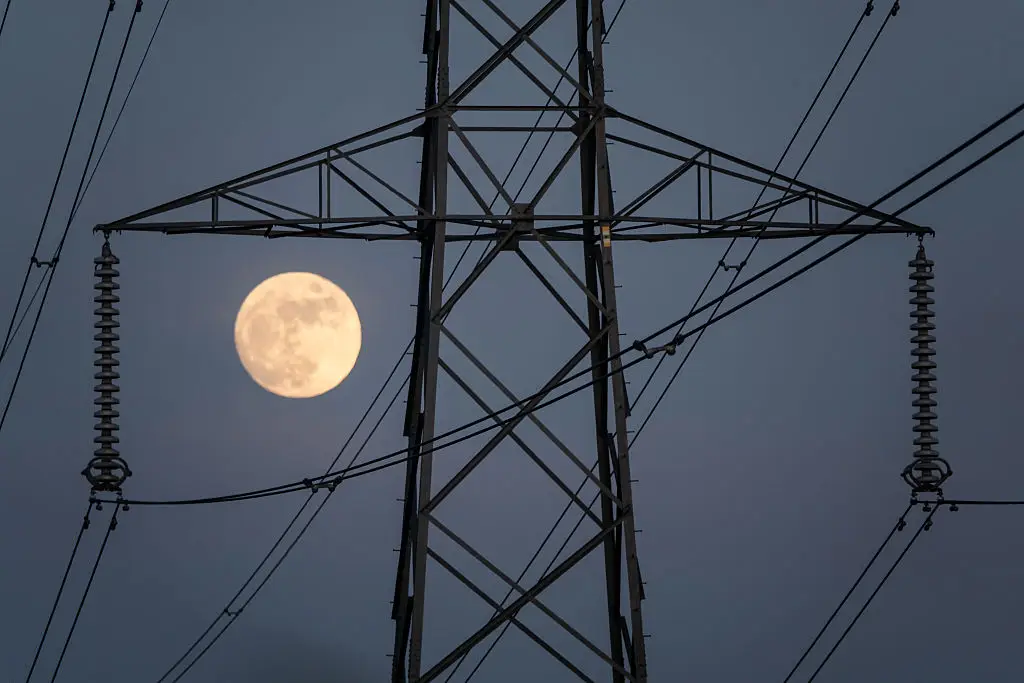
This is particularly following a resilience summit in which UK's ability to withstand a grid failure for a minimum of 72 hours was assessed, with Brits also urged to stockpile essential items to be able to cope with the potential of major power outages or cyber attacks.
It was even revealed the BBC and Government have announcement protocols already in place in the event of a black sky event.
The scripts are health advice which has been put together by the four chief health officers in the UK, and provides general advice on public health subjects.
Meanwhile the BBC has its own plan for 'Black Sky' to ensure that emergency messages can still be broadcast out, which includes around 100 people being involved in a 'special emergency radio studio' using FM and back-up generators.
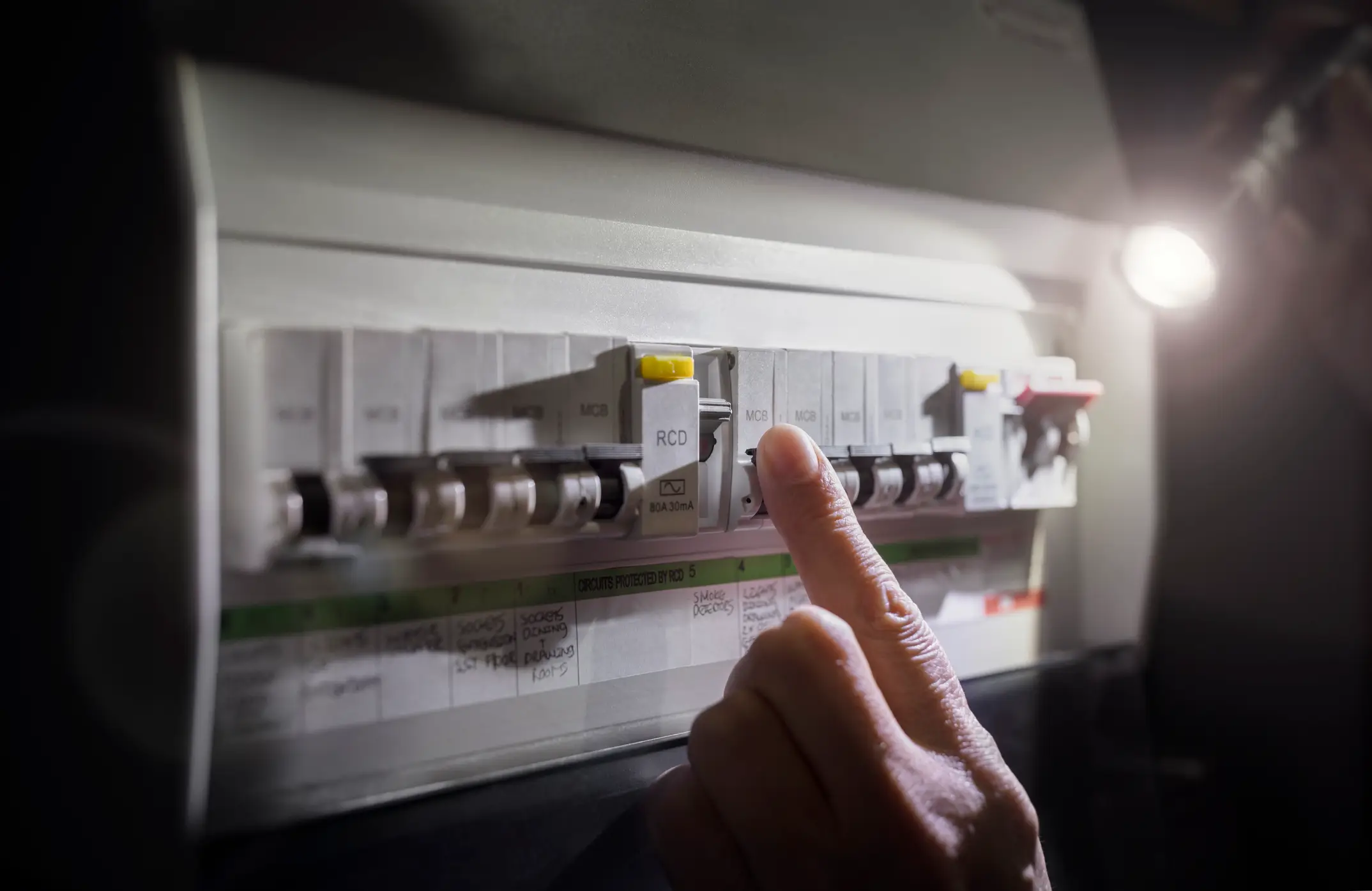
How likely is a complete blackout?
An expert has now revealed exactly what a black sky event could realistically look like in the UK, and what potential preparations people can make.
Although the chance of a complete outage is considered very unlikely, with no major reason pointing to an energy grid collapse, it doesn't mean large-scale power cuts are impossible.
In 2025, around 55 million people were affected during a huge blackout in Spain and Portugal, which caused public transport to grind to a halt, shops forced to close, and card payments unable to go through. Hospitals were also forced to rely on back up generators.
Speaking to LADbible, Professor Simone Abram, Executive Director of the Durham Energy Institute has said that even in the event of a UK blackout, it would be unlikely to last very long.
"A so-called ‘Black Sky’ event when the national grid goes down across the country is actually very unlikely," she explained.
"It is also unlikely to be something that lasts a long time because the grid can be segregated into sections to be restored.
"How people respond depends quite heavily on the conditions they live in. We have records of people really pulling together and helping one another out, and rare examples of looting breaking out, for example.
"Many people are quite resilient and have extensive networks of friends and family who can gather and pull together to get through troubling times."
What would a black sky event really look like?
Professor Abram explained that in the UK there is a 'strong regulatory set up', and that contingency plans are in place.
However, she said there are two things people need to be aware of if the electricity grid went down, including why everyone needs a wind-up or battery-powered radio.
She also laid out what a black sky event would realistically look like, including no public transport services, or mobile phone connectivity.
"If the electricity grid goes down, mobile phone masts will run on batteries, but at present those batteries only last a few hours," she said.
"So a blackout that lasted longer would leave us without phones. With the landline copper-network being decommissioned in 2027, there will be no telephone network either.
"That’s why the government is suggesting people get wind-up radios, because radio will still be available and the authorities will use it to update us on what is happening.
"Trains and undergrounds will stop running - including diesel trains because the signals are electric. People would be evacuated in the first instance, then try to find a replacement bus.
"People might try to work from home but they won’t be doing that online because their routers will be off.
"Obviously without power, card machines won’t work, so you won’t be able to go shopping for anything, including food, unless you and the shop both deal in cash.
"Refrigeration and freezer units will start to defrost, so if you want to manage for more than a very few days, you’ll need to have dry or canned food available. And if you haven’t got gas or a camping or wood stove, you’ll be eating that cold.
"On the other hand, many people still use gas at home to cook and heat, and the cooking and hot water should carry on working, even if gas central heating relies on an electric pump to circulate the heat.
"We wouldn’t lose all energy, only electricity. Clearly, this would be worse if it happens in winter when we need heat to survive."
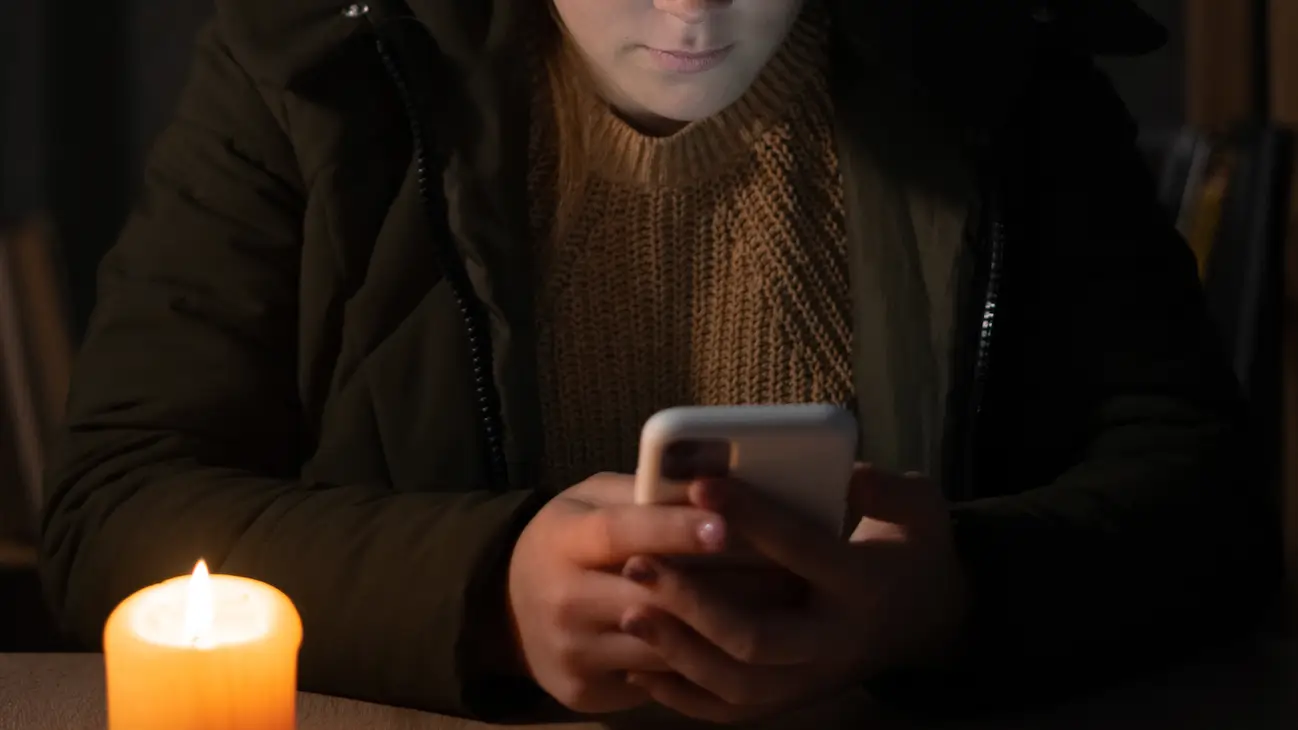
"It could be critically difficult"
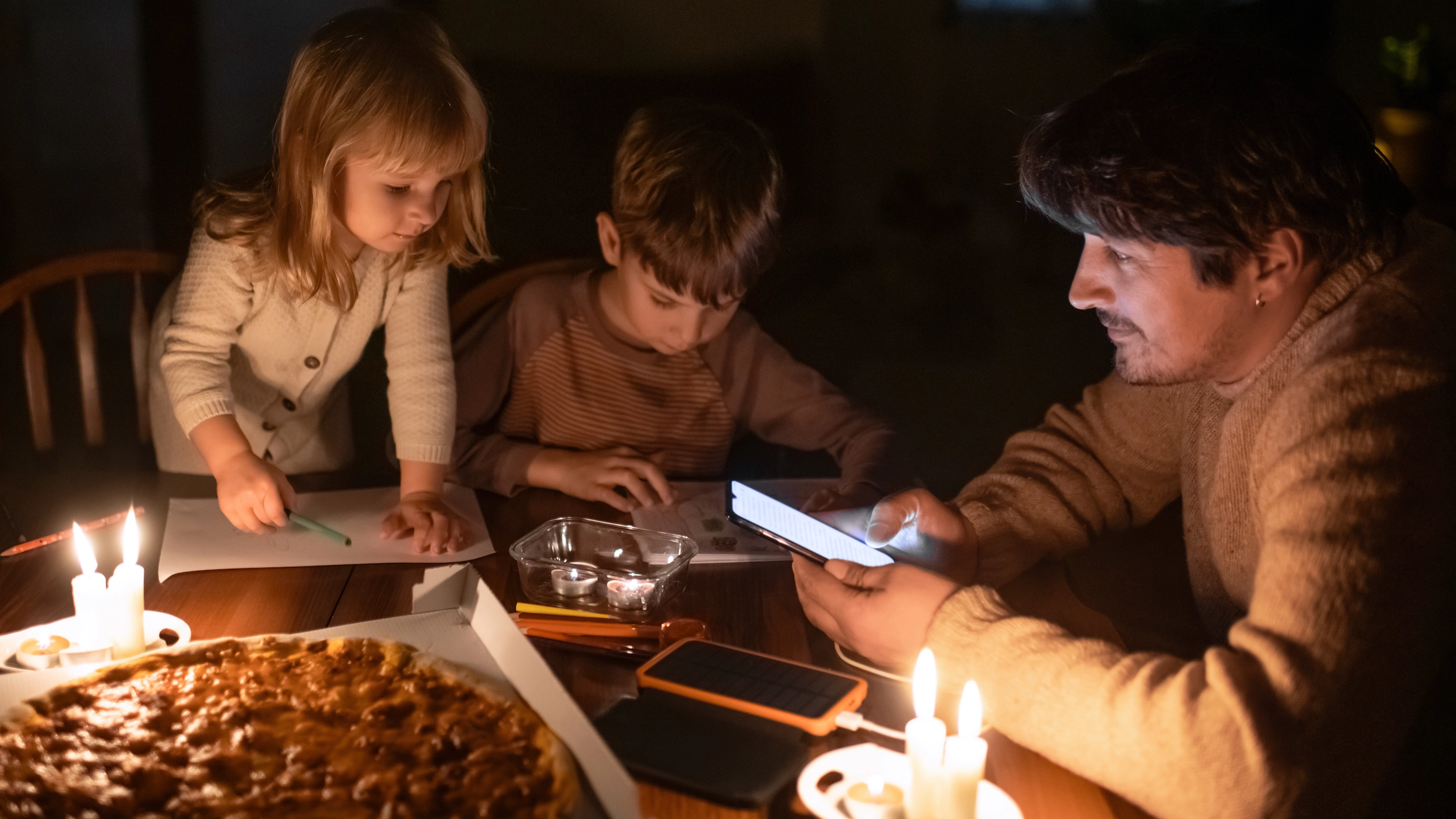
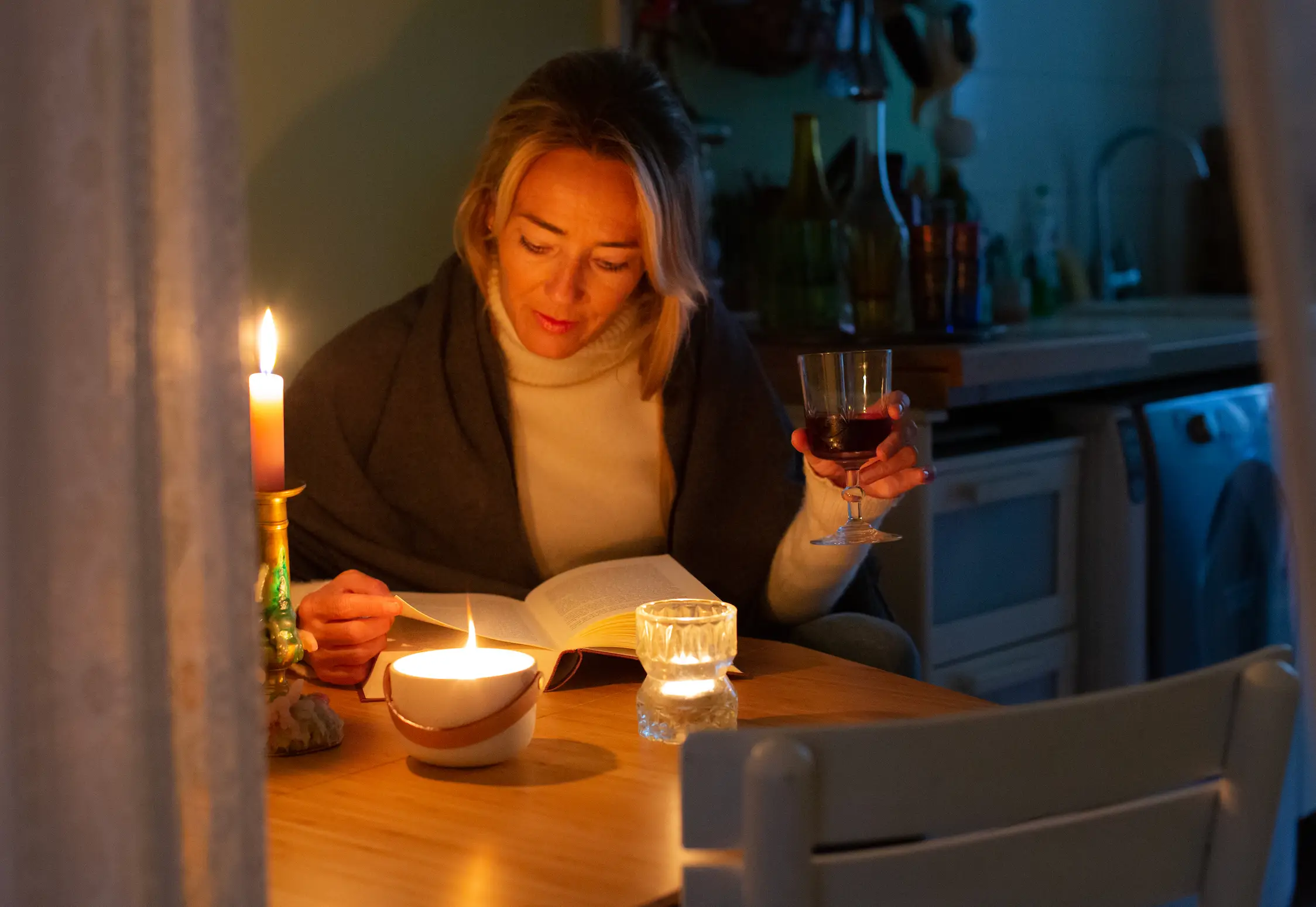
Adding what we can do to prepare, the professor explained: "Certainly through the 20th century, most people would have had candles and matches in the house ‘just in case’. That’s always a good idea.
"It’s useful to have some spare food stored if you can afford it, either dry or tinned or bottled. And drinking water.
"I think it’s important to note that a situation like this could affect some people much more than others. People living in poverty would find it difficult to have stored food and if they are in a more modern house would be unlikely to have a fireplace or stove as alternatives to electric heating and cooking.
"They would be treated as a priority by the network emergency responders, as would anyone dependent on medical equipment.
"On that note, all hospitals have to be able to manage for several days without grid electricity, and have back-up generators and fuel onsite."
Despite the unlikely nature of a full blackout, Professor Abram said it could be 'critically difficult' for some.
"In brief, I don’t think it is very likely, but we should always expect that power outages can happen and be ready for them," she concluded.
"Have candles or torches somewhere you can put your hands on them easily; have dry or preserved food; have water; and ideally, have friends and/or family who you can help or call on if you need them."
Topics: UK News
 James Holt