
Damning details emerge as Christa Pike's botched execution is second in Tennessee this year

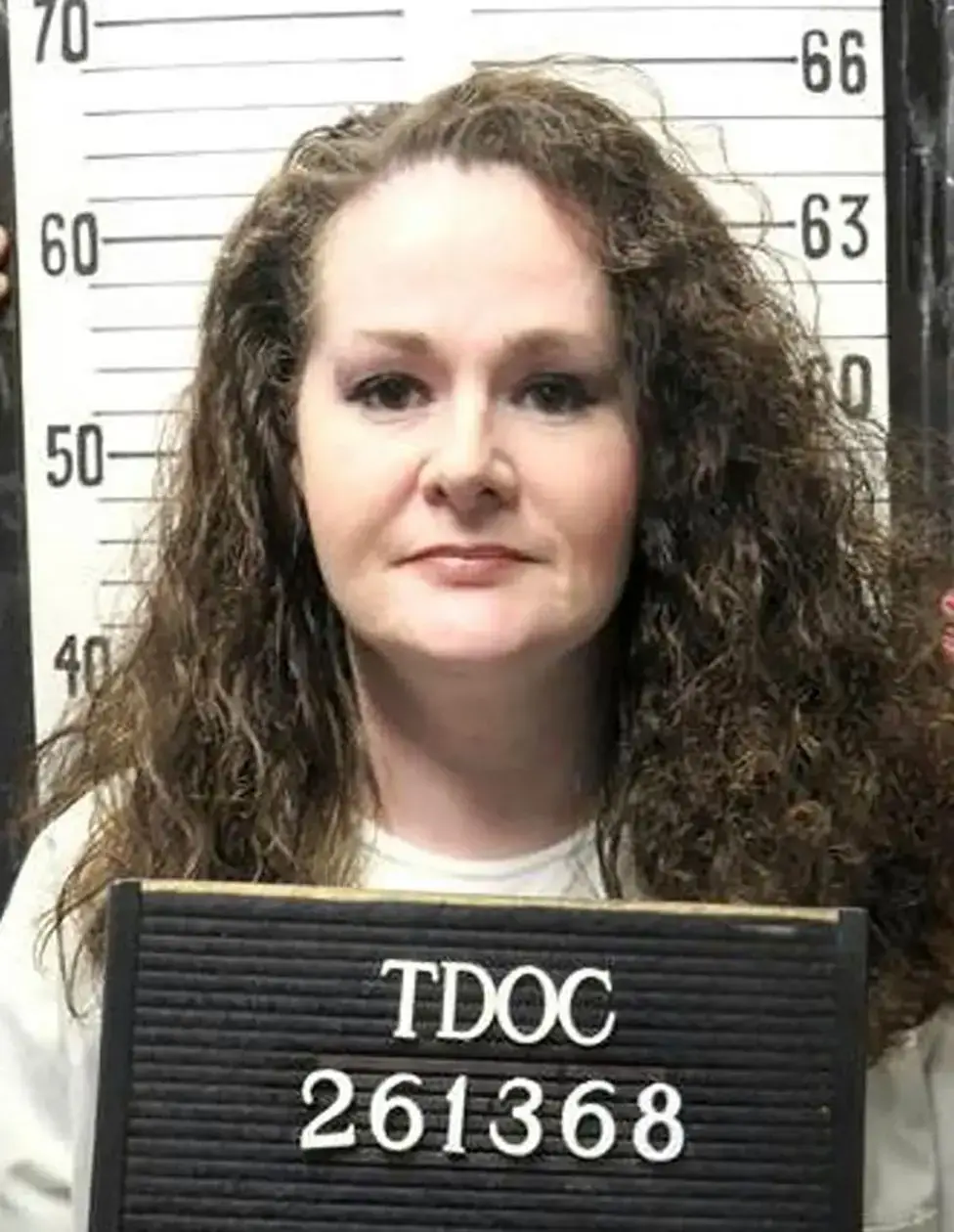
Christa Pike was not the first execution in the state to go wrong this year, as new information comes to light now that she has been hospitalised after two unsuccessful attempts to execute her by lethal injection on 30 September.
Pike, who has spent 30 years on death row after she was sentenced to death for the torture murder of 19-year-old Colleen Slemmer in 1995, was supposed to be executed last week.
She was the first woman set to be executed in Tennessee in 200 years, but her legal representatives say she is still alive after being given 'life-saving measures' as two syringes of pentobarbital were injected into her and failed to work appropriately.
Pike entered the execution chamber as planned and uttered her final words, with her saying: "I’m going to leave this world the way I spent most of my life, and that is with love.
Advert
"I’m at peace, I’m ready to be free. This is a happy day."
Despite the Tennessee lethal injection protocols requiring two doses of the deadly pentobarbital, the protocol doesn’t take into account what would need to happen if either failed.
Her lawyers - who had fought to stop the injections from taking place due to alleged health problems which made finding veins for the IV difficult, and a blood-clotting disorder - hit out after the failed attempt.
Per the BBC, her lawyers said: "Tonight the State of Tennessee once again failed to carry out a lawful execution.
"We take no pleasure in being right, but the concerns raised by Ms Pike proved to be true: difficult vein access, blown veins, degraded pentobarbital, no emergency medical care available when things inevitably go wrong, all under a protocol that remains veiled in secrecy."
But the Tennessee Department of Correction says it 'followed every step of the State's lawful, established execution protocol'.
Ironically, Pike had requested to be killed in an alternative format prior to her lethal injections, citing she was fearful of the method failing.
She referenced the failed attempt of triple-murderer Tony Carruthers on 21 May, as being an example of why she was scared.
At the time, the death row inmate had been expected to die the same way as Pike, after he was sentenced to death in 1996 for the kidnapping and murders of Marcellos Anderson, his mother Delois Anderson, and Frederick Tucker.
However, the medical team was unable to source a primary IV line, and ultimately could not find a suitable second vein to establish a backup line, which is required by law in the execution protocol.
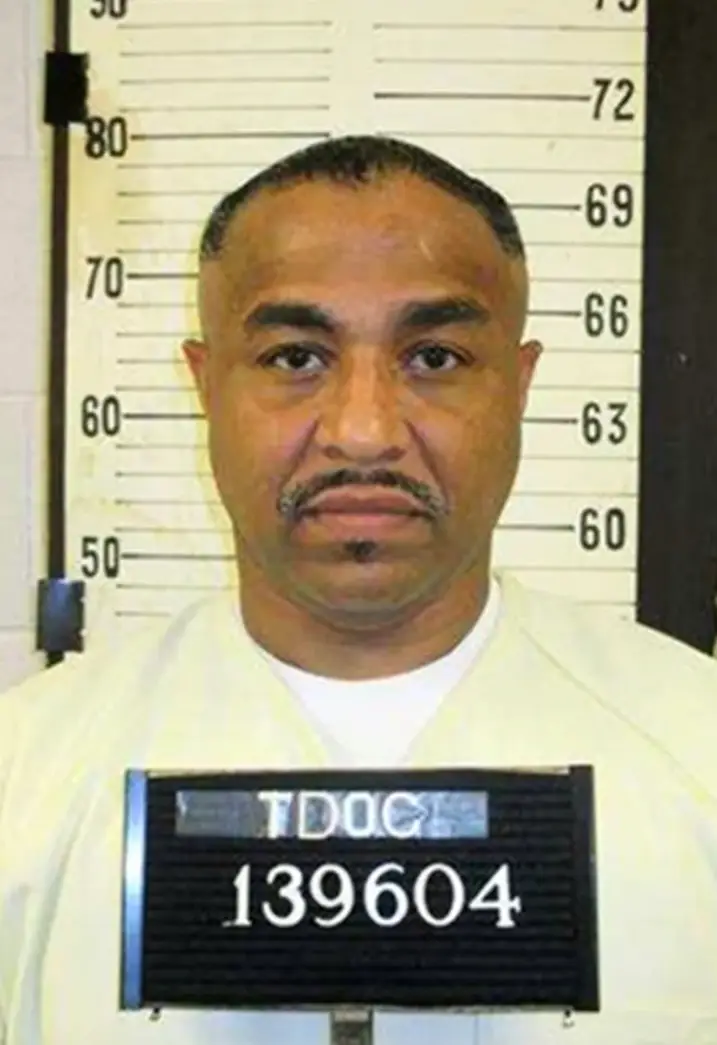
As a result, he was given a one-year stay, which means he gets to be left alone for the time being until a new execution date is set.
His attorney's also argued that his current mental state, brought on by Schizoaffective Disorder, Bipolar Type, and brain damage, would be too impaired for him to be executed.
"These disorders manifest in current symptoms of unending, synergistic, and complex delusions that thwart a rational understanding of his imminent execution," his lawyers said at the time.
Now, Pike’s legal team are claiming the IV lines failed during her execution attempt, or that her veins had ruptured.
"Apparently at no point did any member of the execution team realise that the IV lines were not correctly placed or that the veins had blown and that the pentobarbital was, in whole or in part, entering Ms. Pike’s body," they wrote.
The extent of Pike's condition remains unclear.
 Britt Jones