We asked AI to build a blackout survival kit for Gen Z and this is what it said

If you’ve been watching the news lately, there’s a good chance you’ll have seen various warnings about the importance of creating a stockpile at home to make sure you’re covered in case of emergency.
The UK government recently pushed its ‘Be Ready’ campaign calling on residents to be prepared, with Prime Minister Andy Burnham warning that ‘unexpected events seem to be becoming more and more common’.
By their nature we can’t really predict ‘unexpected events’ but we can make sure that we’re prepared, where it’s a ‘black sky’ event, challenging weather conditions, or whatever else life may throw your way.
Alongside the lists issued by the likes of the UK government and the British Red Cross, survival experts and even doomsday preppers have all been weighing in on exactly what needs to go into your kit - one finance guru even explained how to prep your bank accounts.
Advert
However, a lot of the advice issued has centred around families and bigger households being prepared.
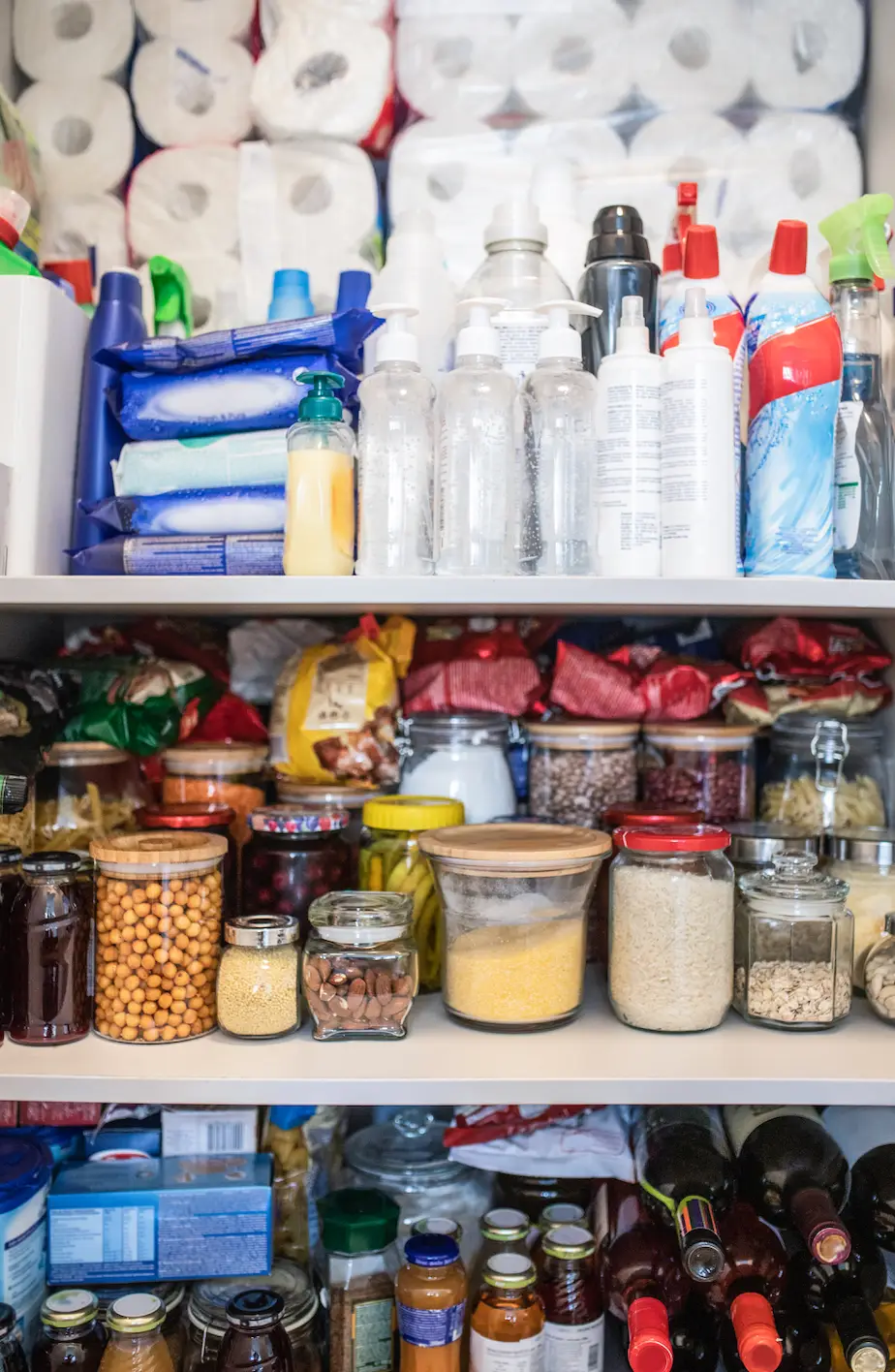
So, we turned to AI model Claude to ask what your average 20-something who lives alone in a city flat with no car and no kids might need in case of emergency to last for three days - and it spat out a pretty comprehensive list.
Food and water
- Nine liters of bottled water - or around three litres of drinking water per day
- Tins with ring pulls: beans, tuna, chickpeas, fruit (or buy a manual tin opener)
- Cereal bars, nuts, dried fruit, peanut butter, crackers or oatcakes
- A few things that bring comfort, such as chocolate or biscuits.
Power and communications
- A fully charged power bank and a spare charging cable
- A wind-up or battery FM radio with spare batteries. The BBC’s emergency plan is on FM, and phones may not work if masts lose power, so don’t rely on signal.
- Printed emergency contacts. A dead phone can’t show you your mum’s number.
- Offline maps and downloaded music or shows, for when the phone is working but there’s no signal
Light and warmth
- A torch or headtorch (wind-up or battery) and spare batteries. Use these instead of candles, which are a fire risk in a flat.
- A sleeping bag or heavy blankets, and warm layers
Health and hygiene
- Any essential medication (three days’ worth) and a first aid kit
- Hand sanitiser and wet wipes
- Bin bags and toilet roll.
Money and papers
- A mix of cash in coins and notes, in case cards or ATMs fail.
- Printed copies of your passport or ID, your tenancy agreement and insurance details
Flat-specific extras
- Know where your fuse box and stopcock are, and check with your landlord what happens to door entry, lifts and the heating when the power goes.
- Check if your hob has electric ignition (some gas hobs won’t light without power).
- Keep the fridge and freezer doors shut.
- Know a neighbour’s name, and offer to check on anyone vulnerable.
What to skip
- Bunkers, gas masks and weapons. Nobody needs them.
- Camping stoves, BBQs and generators indoors. They’re a carbon monoxide risk.
- A huge stockpile. The government says to build up gradually, an item or two at a time, not to panic buy.
Topics: World News
 Claire Reid