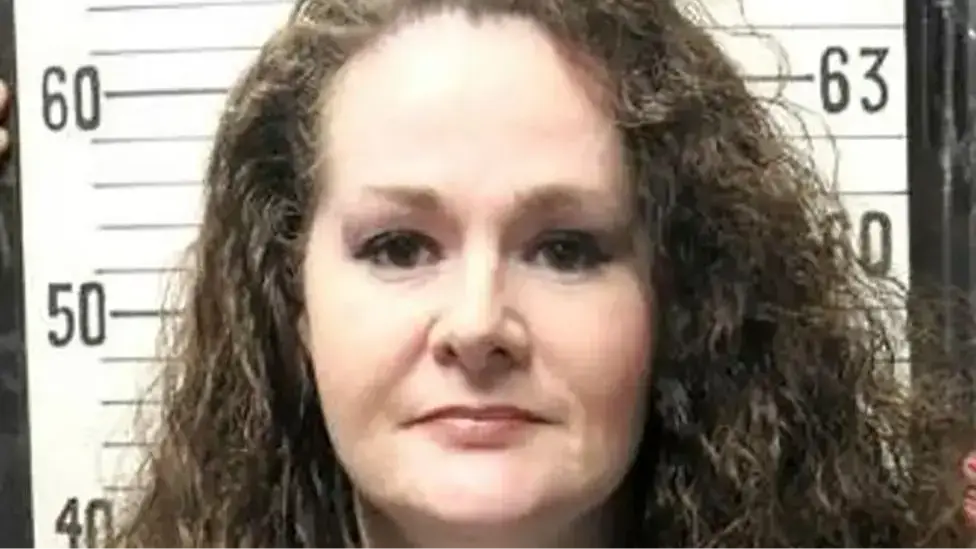
Second Christa Pike execution attempt may be banned over possible brain injury, says former lawyer

An attorney who previously represented Christa Pike during her post-conviction appeals has revealed how another execution attempt could go ahead.
The failed execution attempt of the murder has made repeated headlines since she was taken to hospital for ‘live-saving’ measures on 30 September.
The now 50-year-old was supposed to become the first woman put to death in Tennessee in two centuries after being sent to prison for the 1995 murder of Colleen Slemmer.
However the attempts failed, and she was taken to hospital having survived two doses of the lethal injection.
Advert
Pike reportedly 'remains critically ill' and is being treated at a hospital in Nashville, Texas, with her legal team claiming she 'may not fully recover'.

Her lawyer Stephen Ferrel told CNN of her current status: “She is guarded. I’m not sure who may have seen her.
"I know I have not seen her. The state of Tennessee has not yet said whether it will ultimately try to execute her again.”
He added that she 'may not fully recover' is she isn't executed, noting that her future remains uncertain as doctors tried to clear two doses of pentobarbital from her body.
Gov. Bill Lee later halted the one remaining execution for the rest of the year in Tennessee pending an investigation.
Now, Pike's former lawyer James Crowson has told LADbible about his experience with her in the mid-2000s, revealing what he thought of her and what the next steps could be.
She has been locked up since 1996 after killing her classmate, Colleen Slemmer, when she was 18 at the time.

They may not be able to attempt another execution
Speaking to LADbible, Crowson, who opposes the death penalty, said she may not be able to face another execution due to the potential impact of the botched attempt.
This is because if she suffers permanent brain injuries or becomes so compromised 'she doesn't know what's going on', then they wouldn't be able to attempt to take her life.
Executions are legally barred if an inmate is mentally incompetent and doesn't understand the reason for their execution.
“Nobody, certainly not Christa Pike and not even the state of Tennessee, should be allowed to take someone’s life," he explained.

"The outcome of this attempted execution shows it’s difficult to walk the fine line between properly punishing someone who did something horrific and not violating the constitutional prohibition against cruel and unusual punishment.”
He continued: “As a practical matter, there’s going to be a lot of pressure on the governor to grant clemency after this.
“Without knowing the exact effect of the attempted execution on Christa, it’s impossible to say how this will all play out.
"In my experience a lot of folks who are on ventilators end up with permanent brain injuries. If someone has a brain injury to such an extent that she cannot see a causal relationship between the punishment and her prior actions, that person cannot be executed.
"In other words, if she’s so compromised that she doesn’t understand what’s going on, they will not be able to attempt another execution.”

"She could be very charming"
Crowson had represented Pike between 2006 and 2008 while working for the Tennessee Post-Conviction Defender.
Remembering his interactions with her, he told LADbible that despite her crimes, she was 'very charming' and had suffered abuse.
“Christa Pike was an attractive young lady when she was arrested and there was an overlay of allegations of satanic involvement in the crime, and that is always something that gets a lot of attention," he explained.
“She could be very charming, and she at least projected empathy and being sensitive.
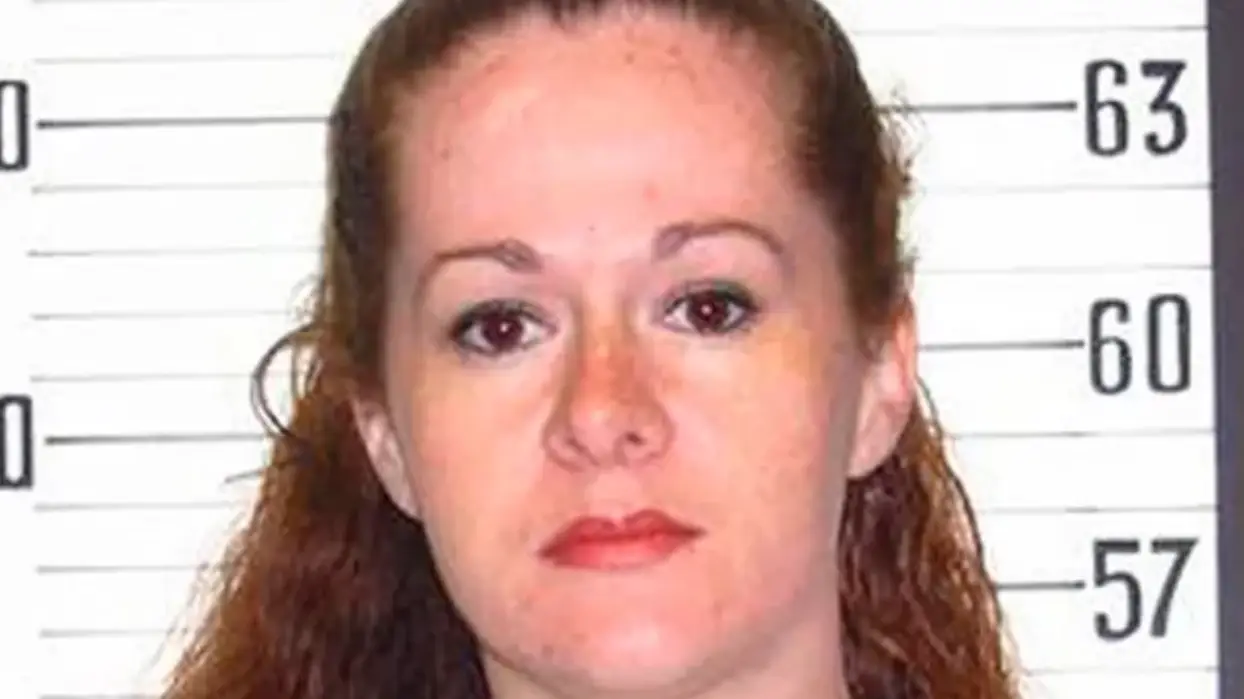
"She was an artist, among other things, and a bit of a writer. She was a very nuanced person. She had a lot of different sides to her personality. Of course, I didn’t get to see all of them.”
"I was part of a team of two attorneys who worked on her appeal for about a year and a half in the late 2000s. Christa had other appellate attorneys before I joined the team and after I left.
"At the time, we were having hearings at the appellate level where we were making the argument that Christa received ineffective assistance of counsel at her trial."
 James Holt