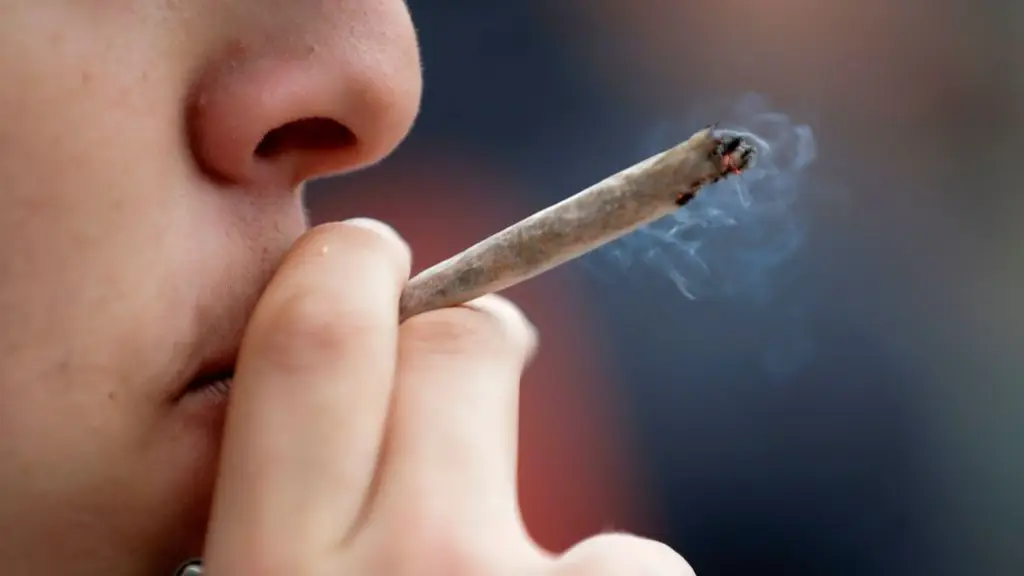
What drugs are defined as 'schedule 3' as Trump reclassifies cannabis

The Trump administration has signed an order to reclassify medical cannabis as a less dangerous drug in the US.
Under the order by attorney general Todd Blanche, state-licensed medical cannabis has been moved from Schedule I to Schedule III.
This represents a change in how the drug is treated under federal law, while cannabis remains illegal at the federal level.
So, the US government classifies controlled substances under the Controlled Substances Act (CSA) into five categories, known as schedules.
Advert
These classifications are based on three main factors: the drug’s potential for abuse, whether it has recognised medical uses, and the likelihood of dependence.
Schedule I represents the most tightly restricted substances, like heroin, while Schedule V includes drugs that pose the lowest risk.
Schedule I drugs
These substances have no accepted medical use in the US and have a high potential for abuse.
They cannot be prescribed and are tightly restricted to research settings.
Examples include:
- Heroin
- LSD (lysergic acid diethylamide)
- MDMA (ecstasy)
- Psilocybin (magic mushrooms)
- Mescaline
- Cannabis (still Schedule I federally outside state-licensed medical programmes)

Schedule II drugs
Schedule II substances have accepted medical uses but a high potential for abuse. They can be prescribed by doctors but under strict controls.
Examples include:
- Oxycodone
- Hydrocodone
- Fentanyl
- Morphine
- Methadone
- Amphetamine (Adderall)
- Methylphenidate (Ritalin)
- Methamphetamine
- Cocaine
Schedule III drugs
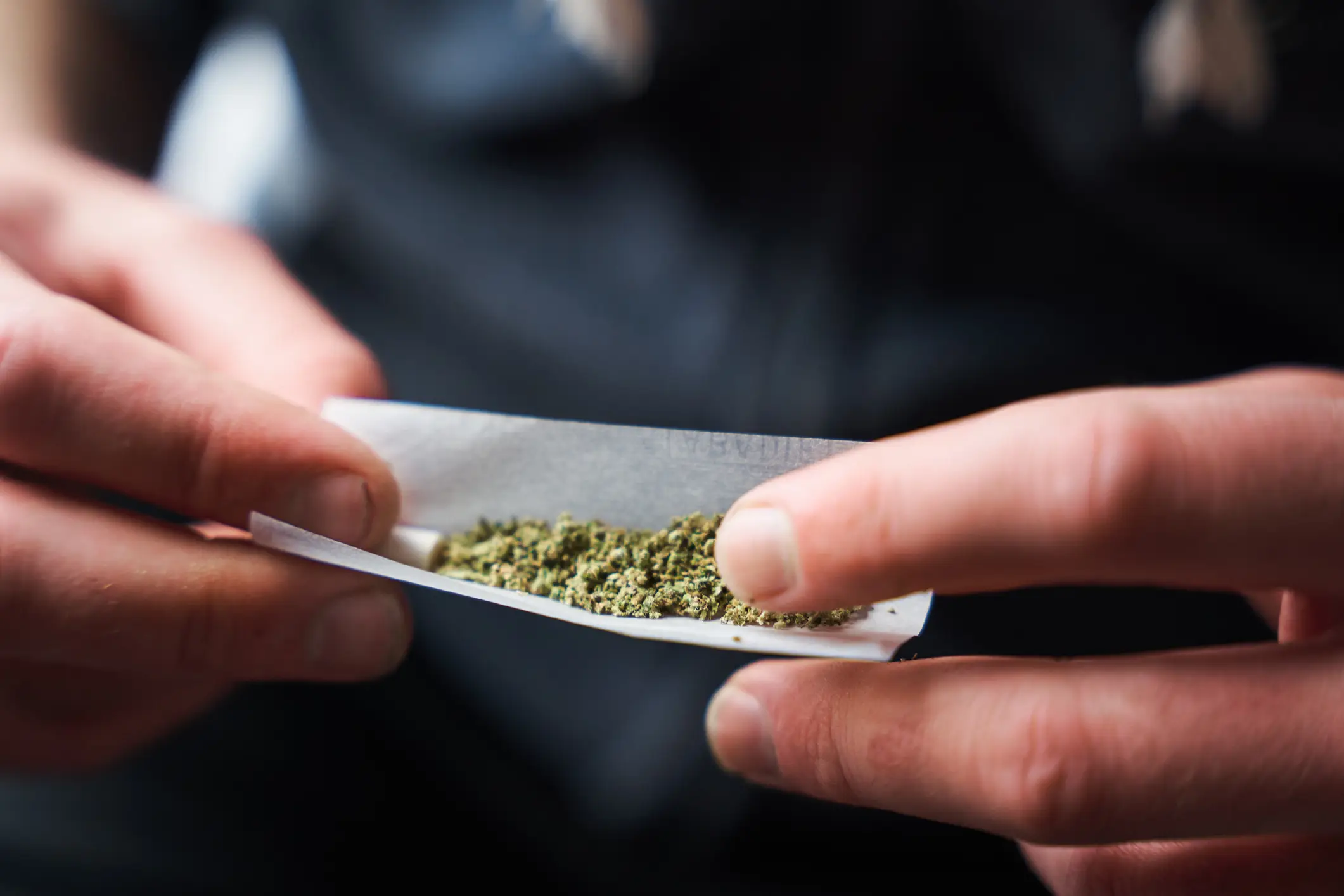
Schedule III drugs have moderate to low potential for dependence and recognised medical uses. They are less tightly controlled than Schedule II drugs and prescriptions can be refilled.
Examples include:
- Ketamine
- Anabolic steroids (e.g. testosterone)
- Buprenorphine (used in opioid addiction treatment)
- Products containing limited amounts of codeine (such as some prescription painkillers)
- Dronabinol (synthetic THC used for nausea and appetite loss)
- State-licensed medical cannabis under the Trump administration’s rescheduling order
Morgan Fox, of the National Organization for the Reform of Marijuana Laws (Norml), called Trump's change 'symbolic'.
"Moving it out of that classification allows us to have policy conversations that don't start and end with that definition," Fox said.
"Lots of policymakers continue to fall back on that, and really won't even discuss the issue as long as cannabis is Schedule I."
"The real solution to the issue is to de-schedule cannabis at the federal level, not just move to Schedule III, and then start changing the laws in regulatory ways that provide guidance, so we can get a little bit of uniformity," added Fox.
How it compares to the UK's cannabis classification
The UK, instead, refers to the Misuse of Drugs Act 1971, where substances are placed into Class A, B or C based on the harm they are believed to cause.
Cannabis is currently classified as a Class B drug, meaning possession can carry up to five years in prison and supply up to 14 years.
Unlike the US scheduling system, the UK classification does not focus on medical recognition or research access but focuses more on criminal penalties.
Cannabis was temporarily downgraded to Class C between 2004 and 2009 before being moved back to Class B.
 Anish Vij