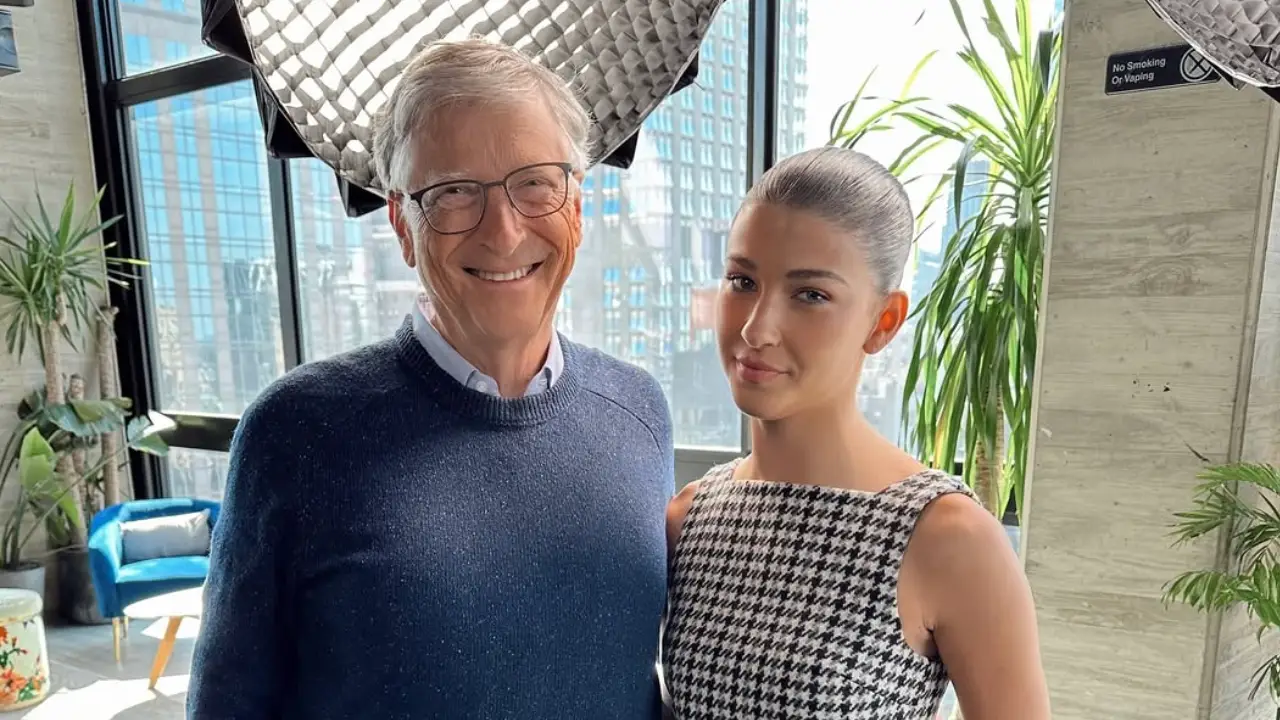
Bill Gates' daughter accused of 'cookie stuffing' which carries penalty of 20 years in prison

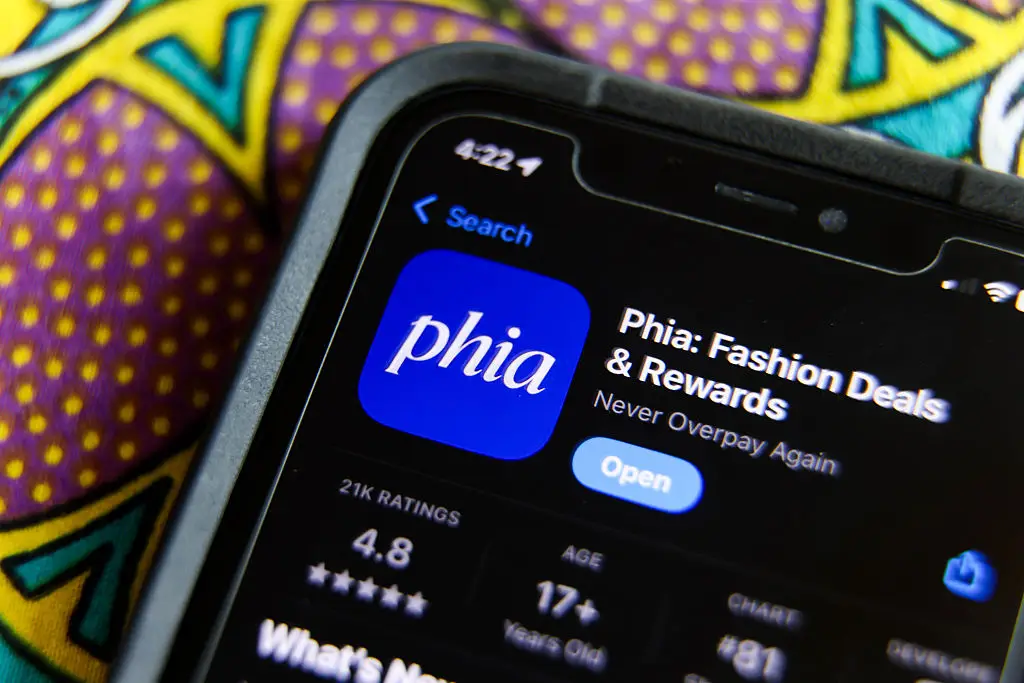
Phia, a digital shopping assistant company co-founded by Phoebe Gates and Sophia Kianni, is facing accusations of 'cookie stuffing'.
When reports emerged that Phia were taking credit for online sales at retail partners they had no hand in, the company originally said it had only learned about the problem 'within the last 24 hours'.
However, a deep-dive follow-up report from Bloomberg on Tuesday (11 August) claims Gates, 23, and Kianni, 24, knew about the practise for at least seven months from December 2025.
The report claims that the co-founders pushed for the features that took undue credit and earnings for sales that the company was not directly involved in.
Advert
Phia is a browser extension that helps shoppers find the best price for clothes and accessories by finding discount codes during the online checkout process.

If a customer uses Phia during a sale, then the company is entitled to a commission from that purchase, proof of which is tracked with cookies.
However, Bloomberg claims the browser extension reported that it helped lead to sales even if it wasn't used at all in the process.
The feature, the report states, would trigger a cookie into the checkout process if the extension popped up on the page but without a user actually having utilised the service.
A Phia spokesperson told Bloomberg: “Any features causing misattributions were immediately removed over a month ago on July 7.
“We are reviewing every transaction, we are fully committed to and have already begun issuing all transaction reversals to brand partners as a result of any misattribution, and we are hiring a head of compliance to make sure something like this never happens again.
“We will learn from this and want to ensure our users have the best possible shopping experience, with features like our new digital closet and more to come.”
LADbible Group has approached Phia for further comment.
Cookie stuffing is 'treated as fedral wire fraud' in the US
Bloomberg claims to have reviewed internal Slack messages which estimated that about 51 percent of the merchandise value Phia claimed credit for selling in June derived from 'cookie stuffing' techniques.
Additionally, the report states that the company's daily revenue dropped from $80,000 (£59,300) to as low as $10,000 (£7,400) when the features were disabled in early July.
A Phia spokesperson told Bloomberg that the decline in revenue was because the company had turned off several monetization features at the time, not just the 'cookie stuffing' feature.
The use of 'cookie stuffing' can have severe consequences if found guilty in a US court.
Ariel Givner, an IP and corporate attorney, took to X to explain that cookie stuffing is, writing: “On a simple level, it’s automatically injecting affiliate tracking cookies to claim commissions on sales you didn’t drive.”
She continued: “It’s typically treated as federal wire fraud in US courts.
“There’s a possibility of a max penalty of up to 20 years prison + fines/restitution.”
Givner then gave some examples of people who had violated the rule, with their punishments being five months in prison and a $25,000 (£18,500) fine for one and 15 months in prison and restitution for another.
Following a 2014 'cookie stuffing' case, United States Attorney Kenyen R. Brown of the Southern District of Alabama explained how cookie stuffing can have a knock-on effect for customers by defrauding businesses.
He said in a press release: "Internet fraud has a devastating impact on our consumers, as advertising expenses are added to the cost of items the consumer buys."
Who is Phoebe Gates?
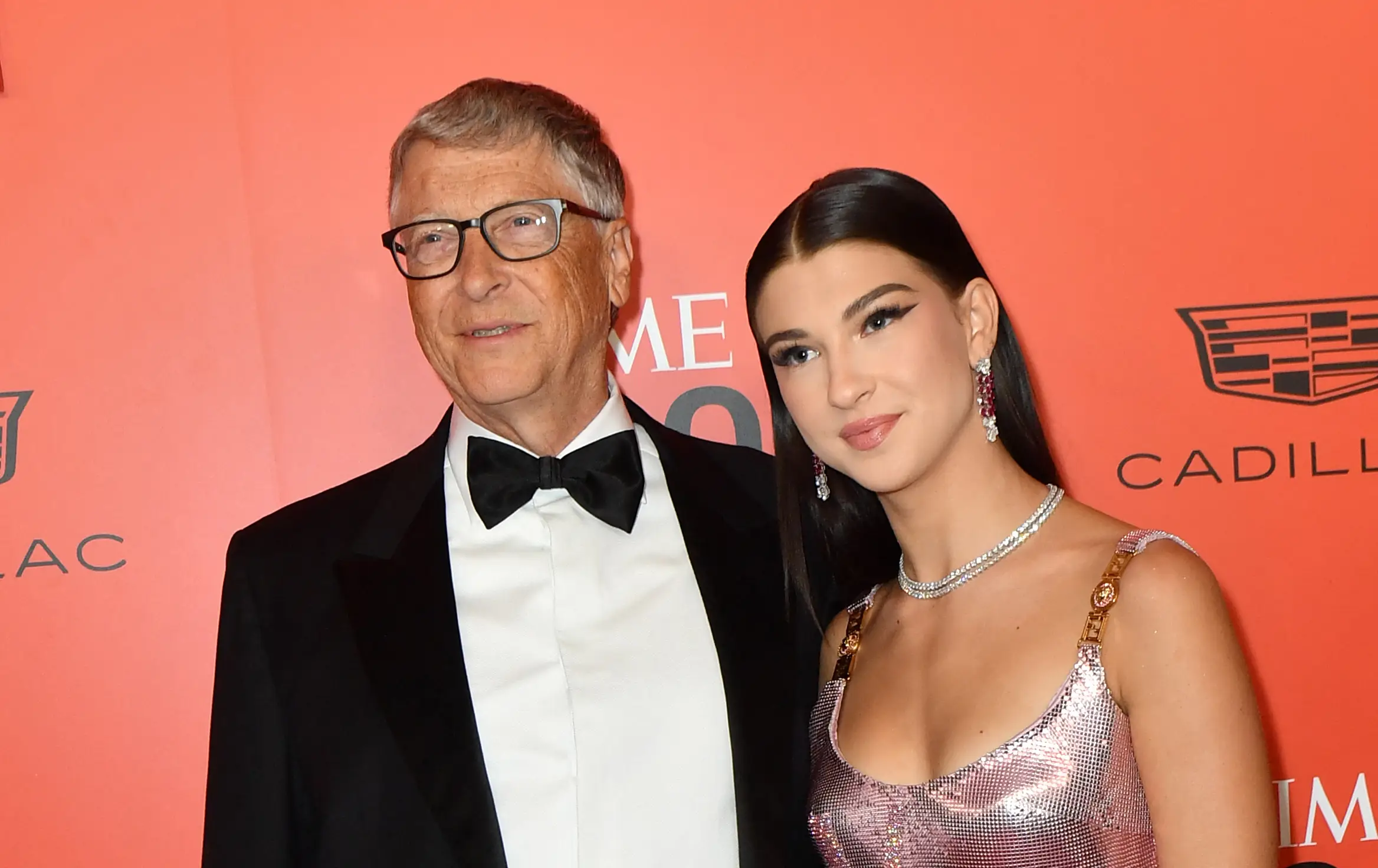
Phoebe Gates is the youngest of Microsoft founder Bill Gates' three children with ex-wife Melinda French.
She was born on 14 September, 2002, and has followed her father – the world's 19th richest man, worth $108.1 billion at the time of writing, according to Forbes – into the world of entrepreneurship.
As well as founding Phia with Kianni in 2023, she is an advocate for women's health and reproductive rights.
Gates also launched a podcast with Kianni, The Burnouts, in 2025.
In the show's debut episode, she talked about her 'insecurity' of being a 'nepo baby' and how she wanted to show she could succeed without her father's help.
“I was like, I have so much privilege. I’m a nepo baby,” Gates said, adding that she 'had so much insecurity around that' and 'such a desire to prove myself'.
Kianni was born on 13 December, 2001, and is also the founder of Climate Cardinals, a climate charity.
The pair both attended Stanford University.
Topics: US News, Money, Shopping, Bill Gates
 Daniel Murphy