Cruise captain who caused crash that killed 33 after ‘trying to impress woman’ released from prison

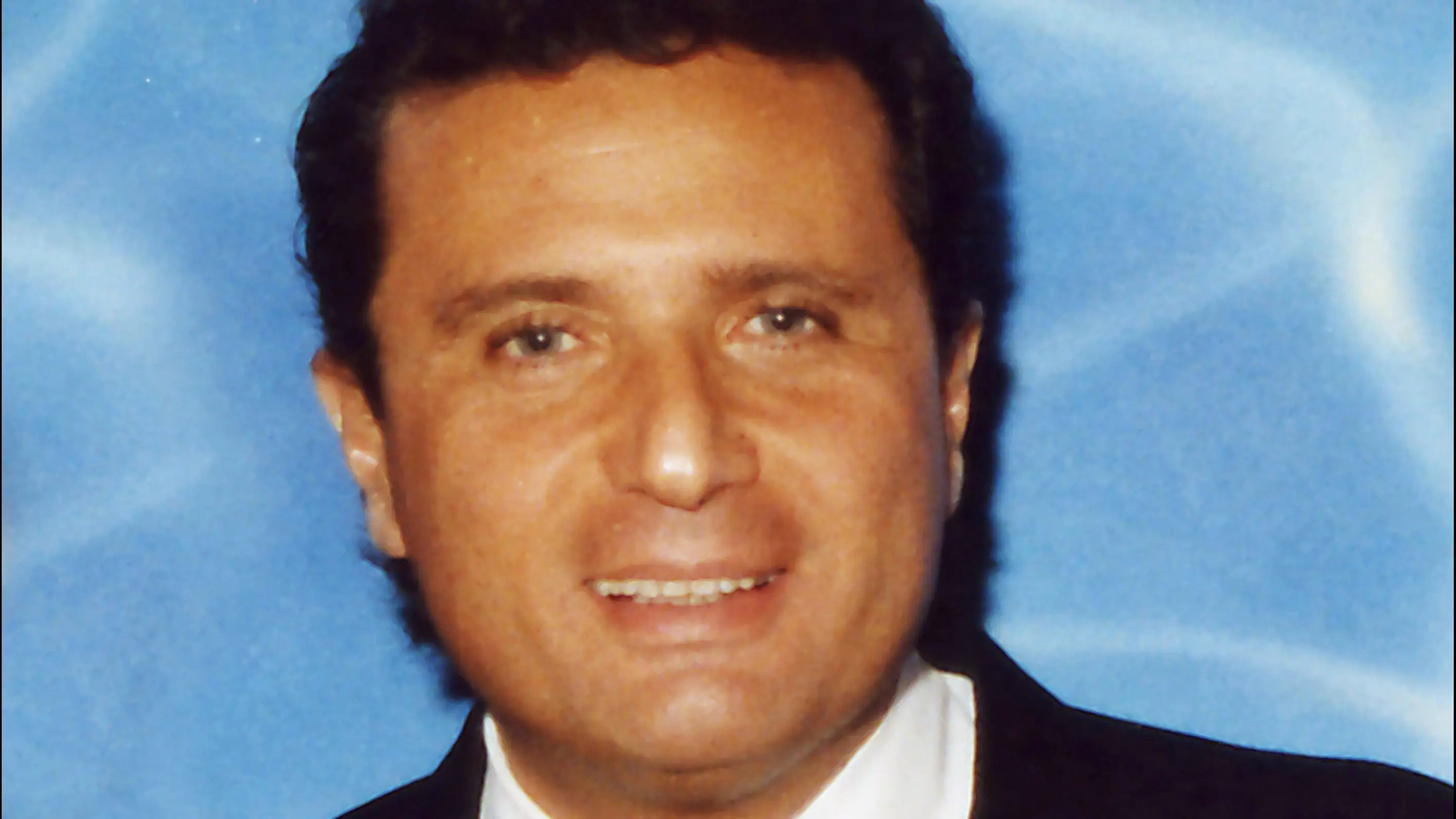
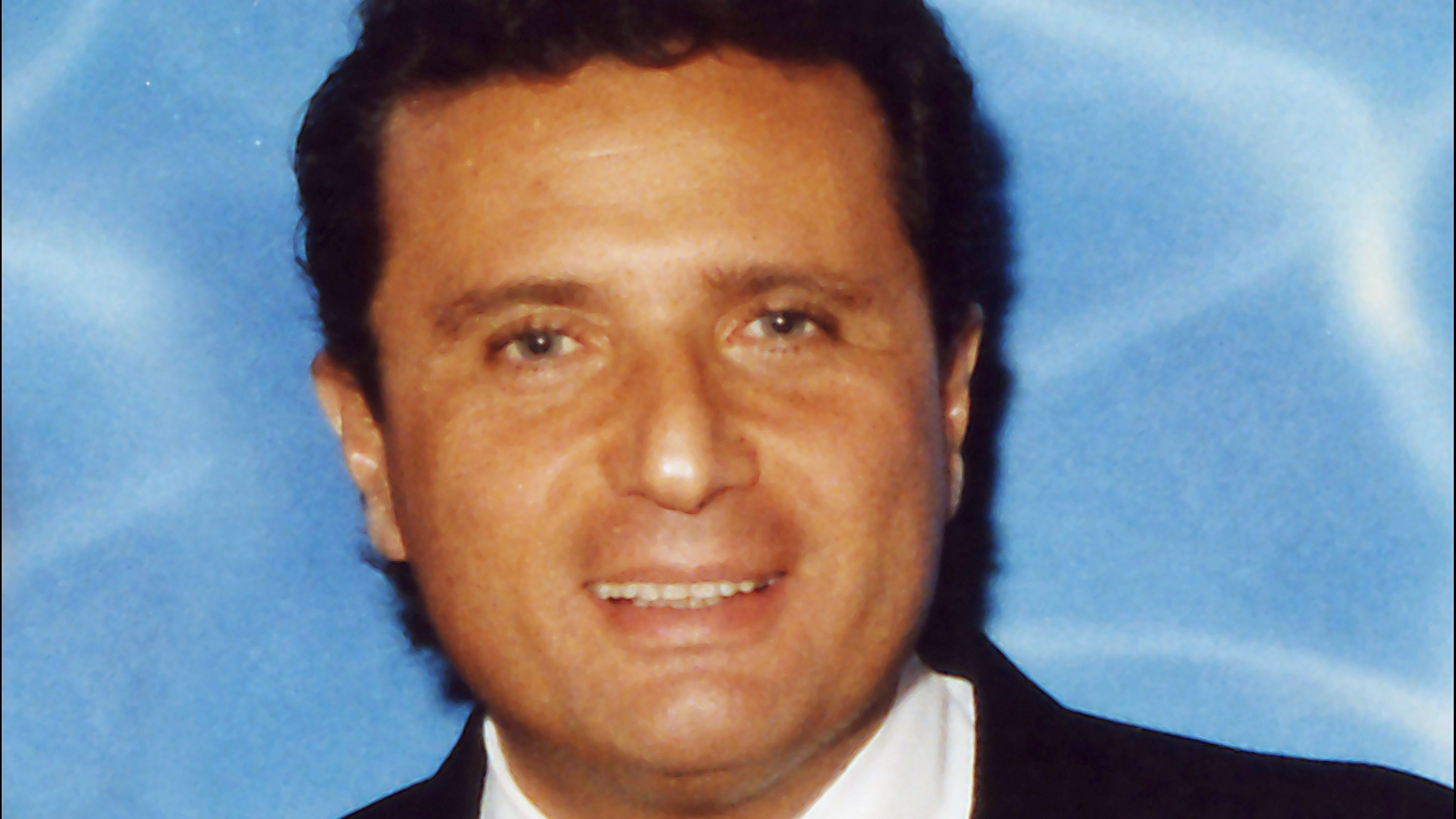
A man who captained a cruise ship which sunk with the loss of 33 people has been released from prison 14 years after the tragedy.
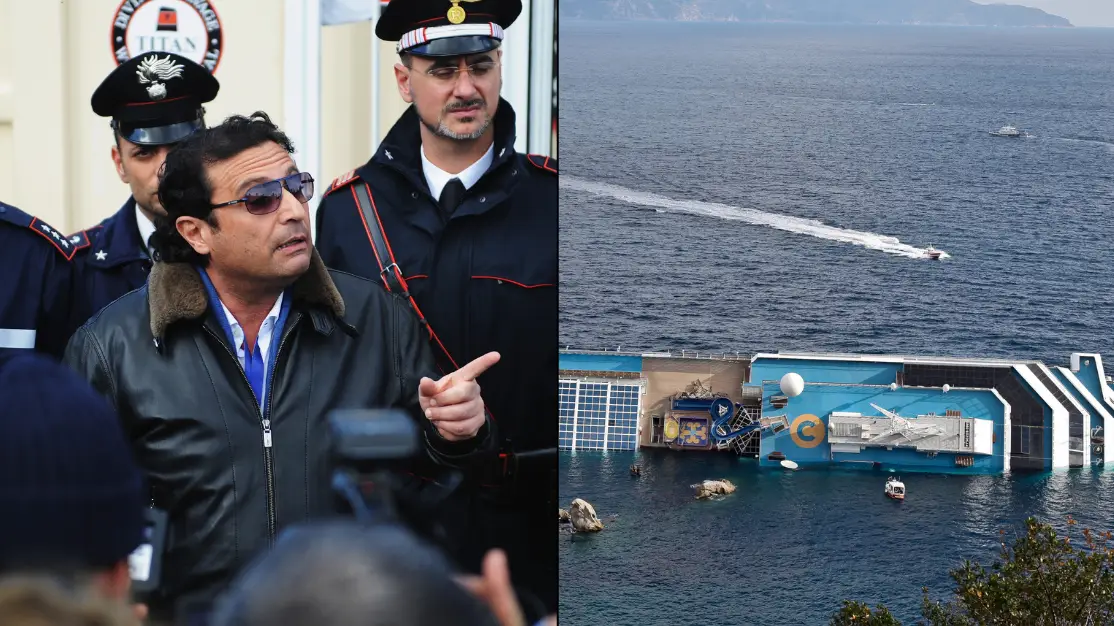
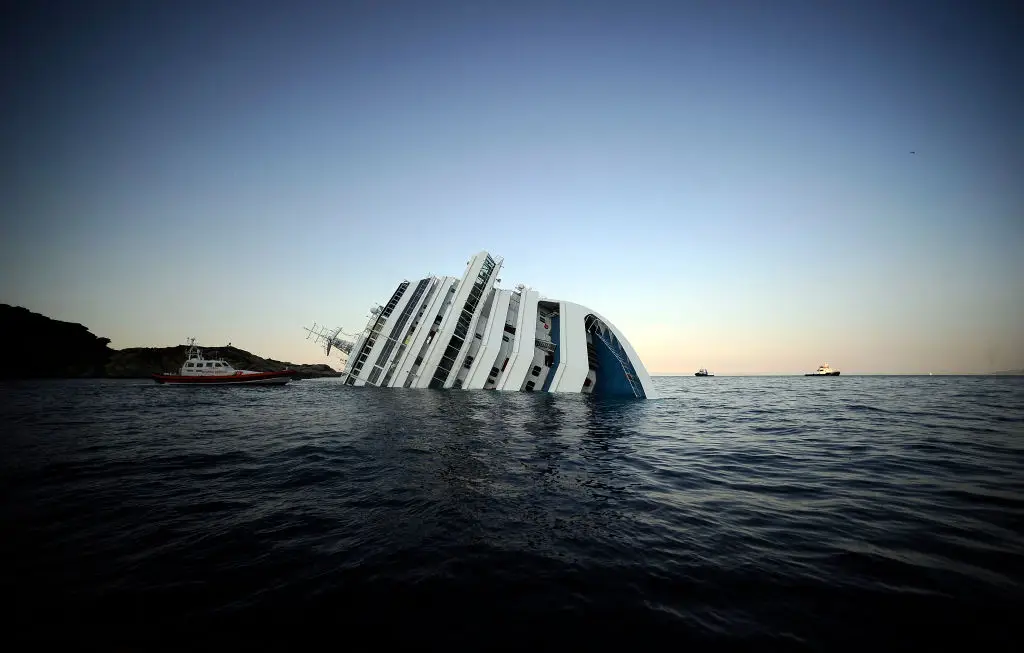
Francesco Schettino was the captain of the Costa Concordia, a cruise ship which struck a reef close to Giglio Island in the Mediterranean Sea on 13 January 2012, causing it to start capsizing.
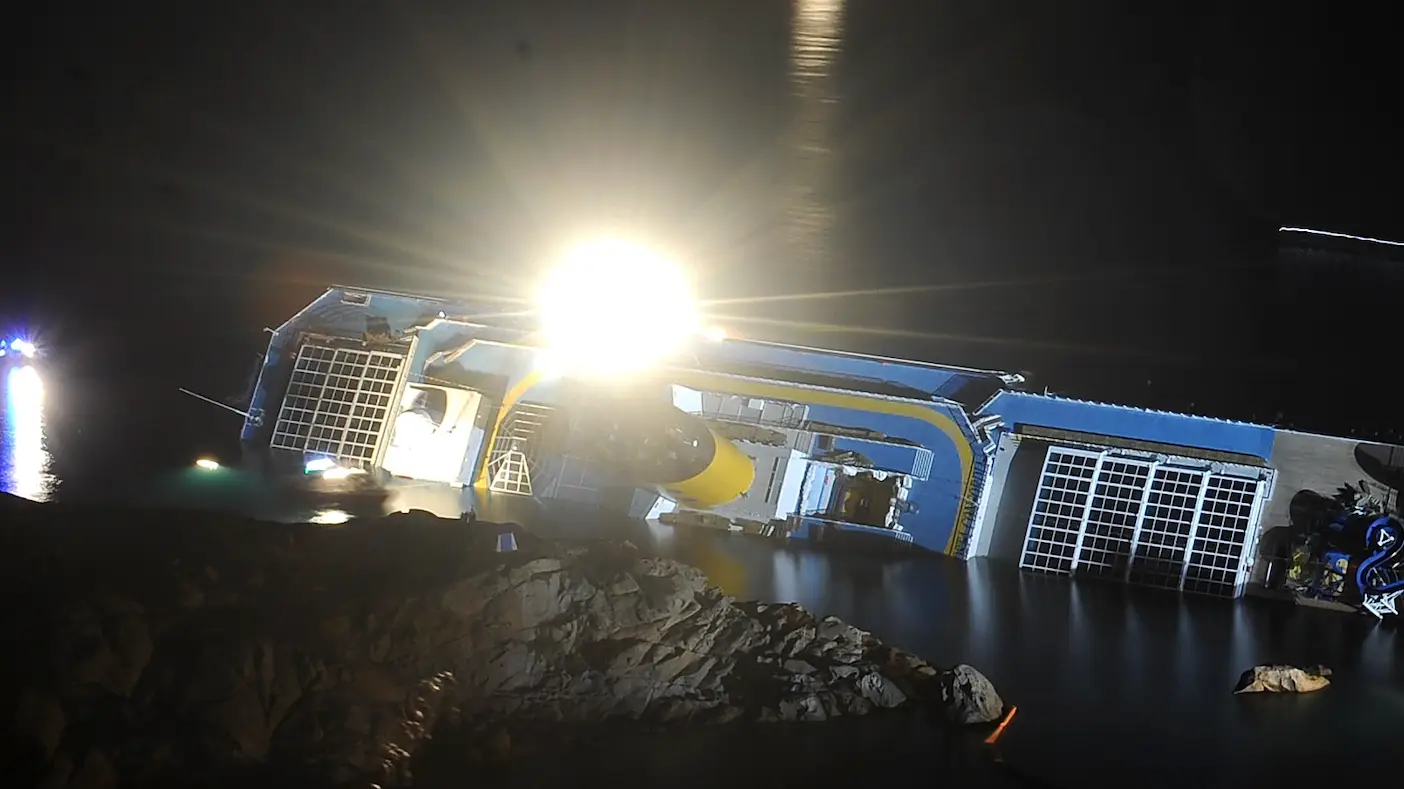
The cruise ship was carrying around 3,200 passengers and over 1,000 crew when it started to sink, with eventually coming to rest on the sea floor below with part of the wreck still exposed above the water.
Around 64 people were injured in the disaster, and tragically 32 people on board lost their lives as emergency responders evacuated people from the ship, while one salvage diver also died.
Advert
Schettino, 66, would go on to be charged with several counts of manslaughter over the incident, as well as with abandoning ship.
The captain was accused of steering the ship too close to the shore line after altering its course, as well as 'navigating by sight' instead of using navigational tools such as radar and GPS.
Schettino was also accused of underestimating the damage caused by the collision, as well as failing to alert authorities, and leaving the ship while there were still people on board.
Following a trial that lasted 19 months, Schettino was sentenced to 16 years in prison in February of 2015.
Despite his original release date being scheduled for July 2030, authorities in Italy granted Schettino time off for good behaviour in prison, with prisoners being allowed 45 days off their sentence for every six months of good behaviour.
After being released from custody Schettino will now serve out a probationary period in the Italian region of Campania, according to Italian newspaper Corriere della Sera, and has a curfew imposed meaning that he cannot leave his home between 10pm and 6am.
Speaking to Italian newspaper La Repubblica, Schettino's lawyer Francesca Carnicelli said: "He is very happy and excited about the opportunity granted by the court.
"He is also aware that his sentence is not over and hopes to be able to properly continue the process he began with his incarceration."
The wreck of the Costa Concordia was recovered by one of the largest salvage operations in modern maritime history.
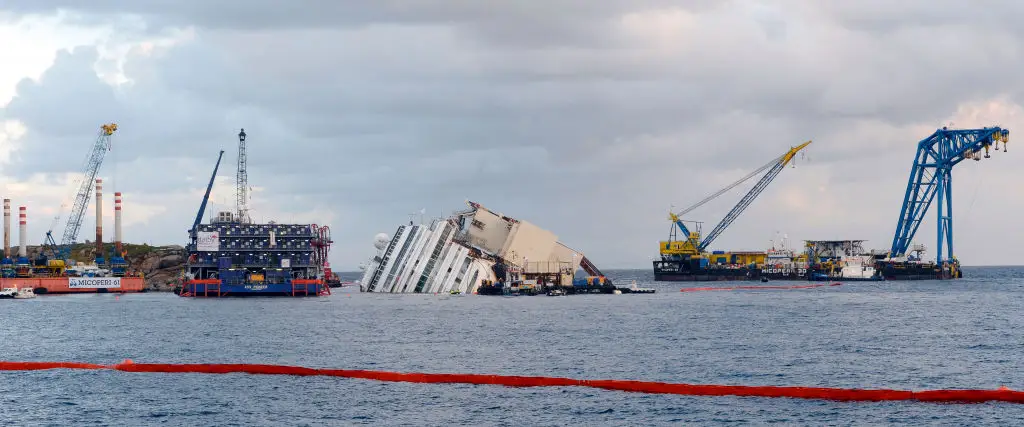
As the ship had sunk in shallow water it was resting on the sea floor with the top still visible.
After pumping fuel from out of the stricken cruise ship to prevent it from spilling, engineers devised a way to recover the vessel in one piece, though it was written off as a total loss following the disaster.
This was achieved by attaching large floatation tanks to the sides of the ship and constructing an underwater cradle. One tank was attached to the ship's exposed side and filled with water, which combined with the underwater cradle allowed the ship to be slowly levelled out.
Another set of tanks was then attached to the other side of the ship, still filled with water at this point.
Once the ship was level and the tanks attached, the water was pumped out of the tanks, meaning they were filled with air and acted like giant metal armbands for the ship, re-floating it and allowing it to be towed away.
After this mammoth recovery operation, the ship would be scrapped.
Topics: World News, News, Crime
 Kit Roberts