Groundbreaking new discovery could change complete timeline of Ancient Egypt's history

Scientists have made a groundbreaking discovery that could change the timeline of Ancient Egypt.
Researchers have found that the New Kingdom could have occurred nearly 100 years later than what was originally thought, leading to significant changes in how the era is understood.
The World History Encyclopedia explains that The New Kingdom, circa 1570-1069 BCE was the era that followed the disunity of the Second Intermediate Period and preceded the Third Intermediate Period.
The encyclopedia explains: "It is the most popular era in Egyptian history in the present day with the best known pharaohs of the 18th Dynasty such as Hatshepsut, Thuthmoses III, Amenhotep III, Akhenaten and his wife Nefertiti, Tutankhamun, those of the 19th Dynasty like Seti I, Ramesses II (The Great), and Merenptah, and of the 20th Dynasty such as Ramesses III."
Advert

The study, conducted by Ben-Gurion University of the Negev and University of Groningen, has unveiled radiocarbon dates in relation to King Ahmose, the pharaoh who established the New Kingdom.
It's now been discovered that prior to the New Kingdom, an eruption occurred in Santorini, meaning the kingdom actually rose later than what was previously thought.
Up until this study, scientists believed that the eruption coincided with the beginning of the New Kingdom, but thanks to radiocarbon dating, this timeline has now changed.
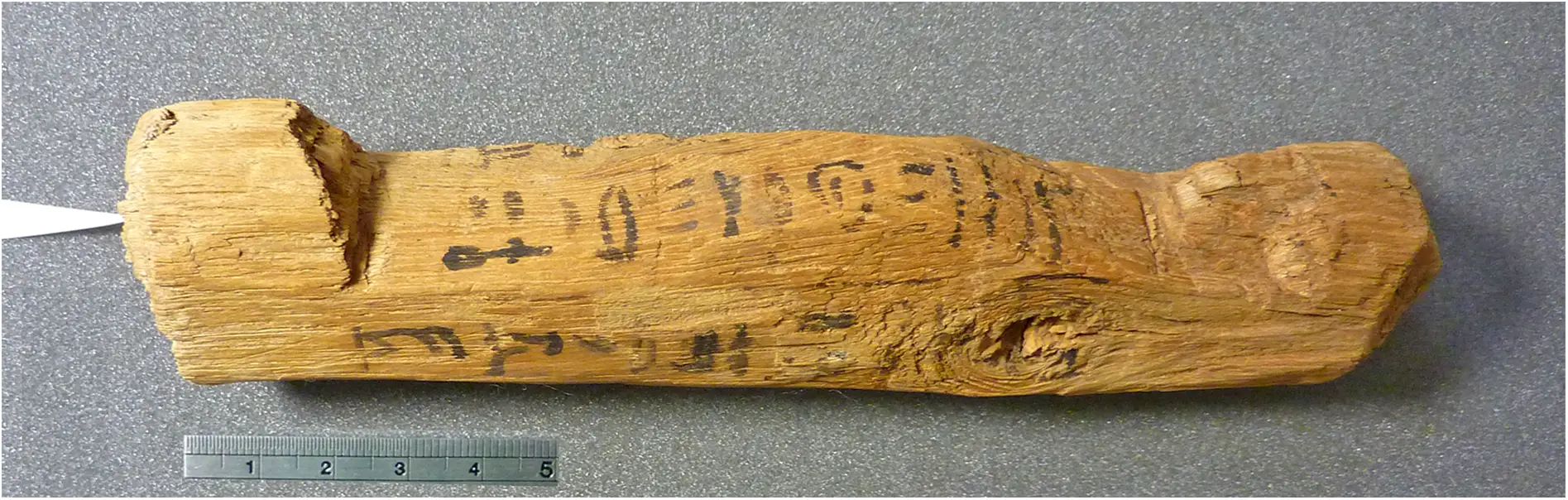
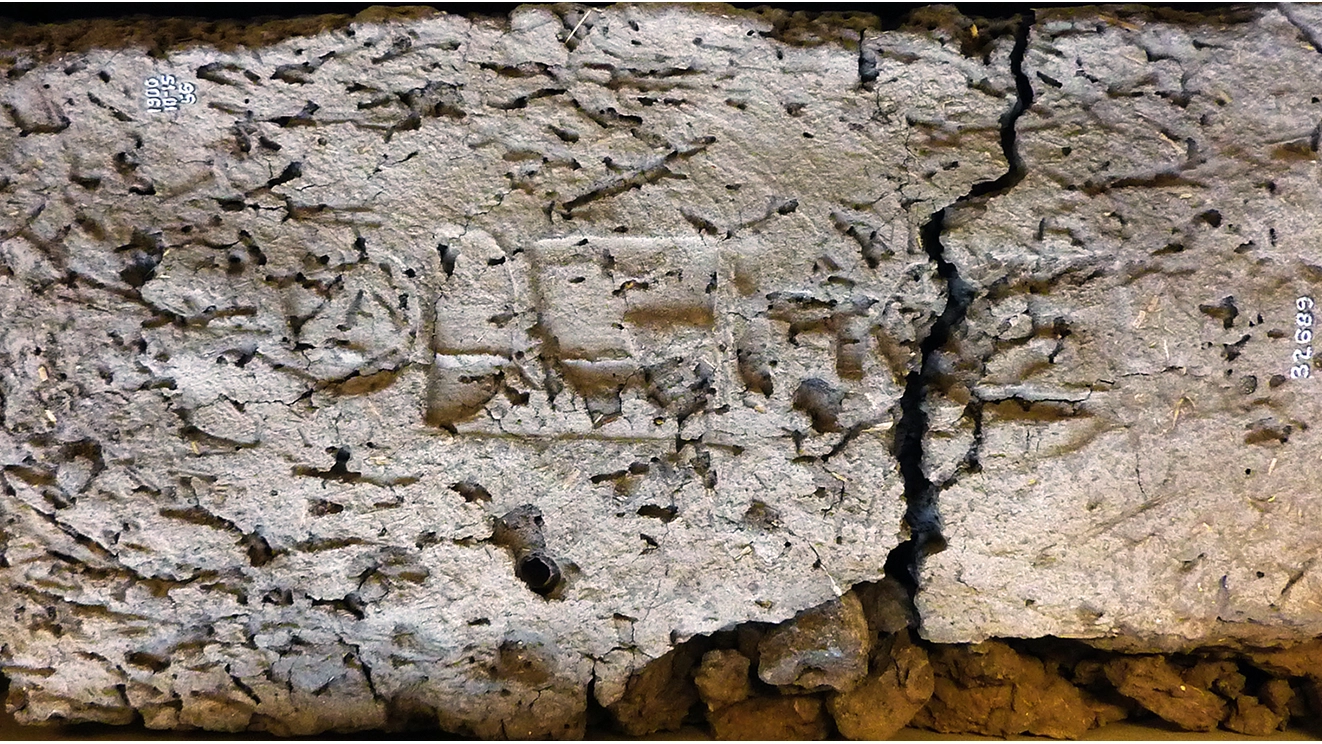
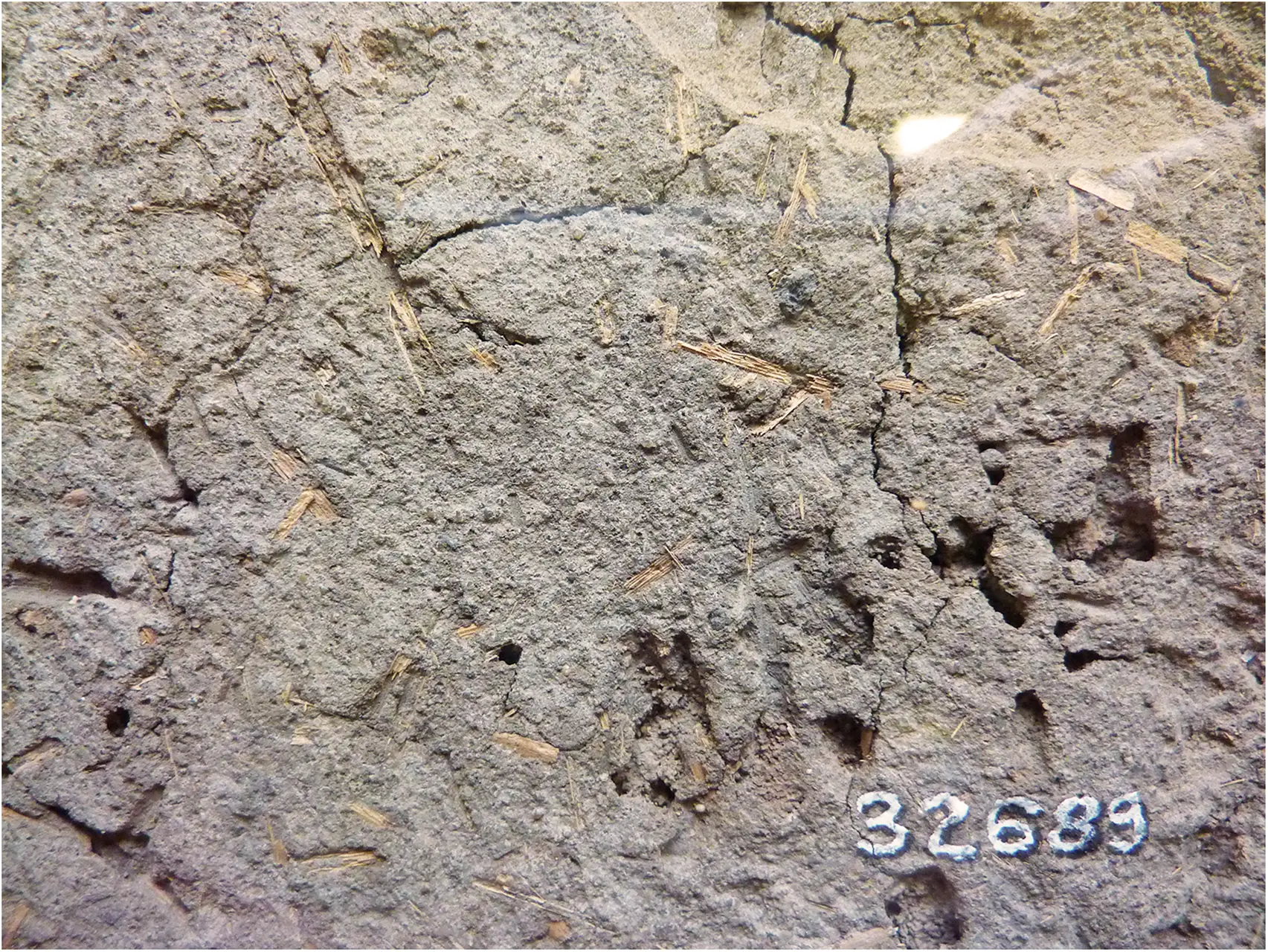
While undergoing the research, scientists examined a number of different items, including a mudbrick, a burial cloth and wooden figures.
The team already knew that each item was associated with a specific era, but also discovered that the eruption in Santorini actually preceded the items.
The study explains: "We investigated museum objects from the 17th and early 18th Dynasty, at the transition from the Second Intermediate Period to the New Kingdom, a period hardly studied with radiocarbon dating.
"Our research facilitated the first-ever direct radiocarbon time comparison between this Dynastic transition period and the Minoan Thera eruption.
"Detailed results are presented of a mudbrick from the Ahmose Temple at Abydos (British Museum), a linen burial cloth associated with Satdjehuty (British Museum), and wooden stick shabtis from Thebes (Petrie Museum), evaluated within a comprehensive context of historical Egyptian chronology options."
The new research and altered timelines allows researchers studying Ancient Egypt to understand more about its complex history.
Lead author Hendrik J Bruins added: “Our findings indicate that the Second Intermediate Period lasted considerably longer than traditional assessments, and the New Kingdom started later.”
Topics: Science, History, World News, News, Ancient Egypt
 Lucy Devine