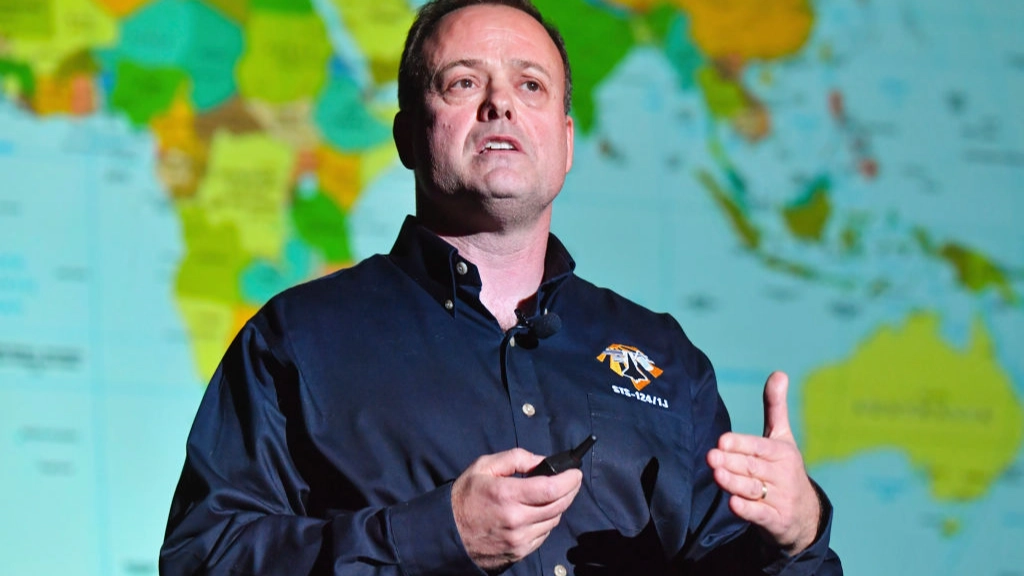
Astronaut realised big 'lie' after looking down at the Earth from space

Experiencing the vast black vacuum of space first-hand completely alters a person's perspective, just ask NASA astronaut Ronald J. Garan Jr.
During an enviable career, which also included a stint as the US Air Force's second lieutenant in the mid-1980s, the 64-year-old made the International Space Station his home for a period of time.
Up there, staring down at the beautiful blue globe of Earth, he enjoyed the full majestic pleasure of an interrupted view.
Labelled the 'overview effect', this prompts a cognitive shift that researchers have compared to a 'state of awe with self-transcendent qualities', triggering 'unexpected emotion' and a realisation that maybe, just maybe, humanity is living a lie.
Advert
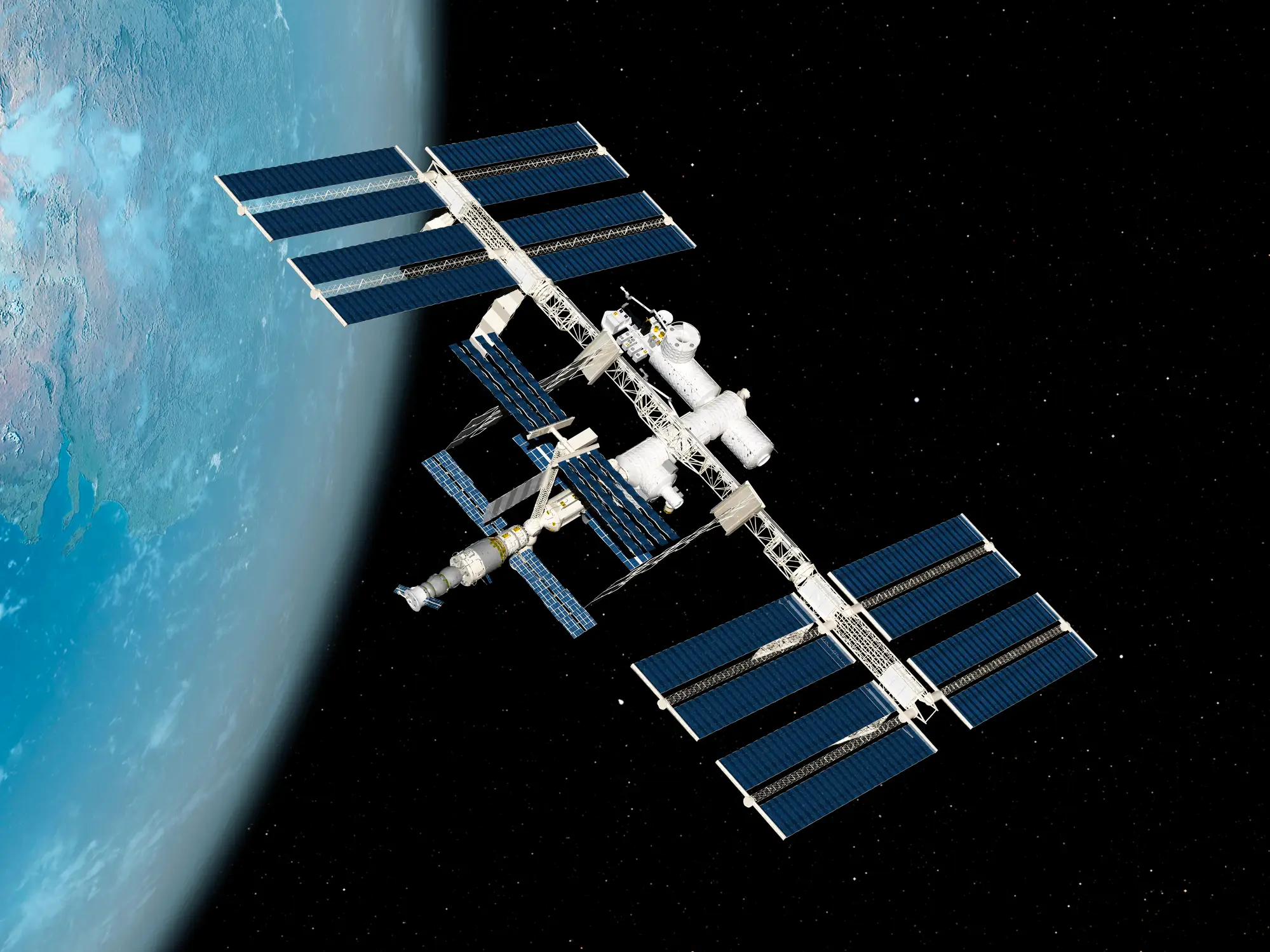
Garan experienced this across 178 days in space, in which he travelled over 71 million miles in 2,842 orbits throughout his NASA contract.
In a conversation with the Big Think, the New Yorker recounted the overwhelming feeling that common concerns on terra firma were not actually worth the time and energy we spend on them, day in and day out.
"When I looked out the window of the International Space Station, I saw the paparazzi-like flashes of lightning storms, I saw dancing curtains of auroras that seemed so close it was as if we could reach out and touch them.
"And I saw the unbelievable thinness of our planet's atmosphere. In that moment, I was hit with the sobering realisation that that paper-thin layer keeps every living thing on our planet alive.
"I saw an iridescent biosphere teeming with life," he continued.
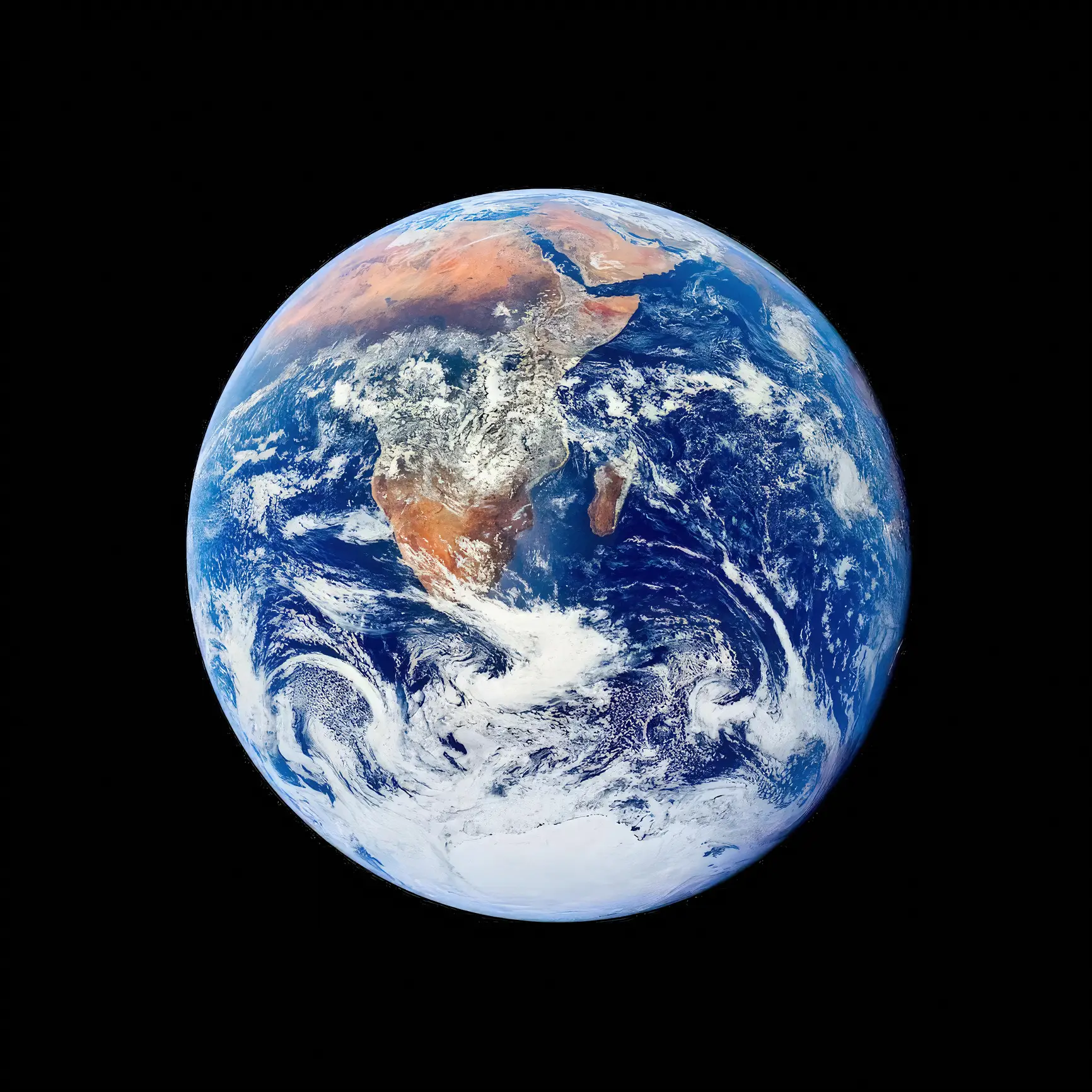
"I didn't see the economy. But since our human-made systems treat everything, including the very life-support systems of our planet, as the wholly owned subsidiary of the global economy, it's obvious from the vantage point of space that we're living a lie."
"We need to move from thinking economy, society, planet to planet, society, economy. That's when we're going to continue our evolutionary process. There's this lightbulb that pops up where they realise how interconnected and interdependent we all are.
"We're not going to have peace on Earth until we recognise the basic fact of the interrelated structure of all reality," Garan concluded - rather philosophically we think you'll agree.
 Dan Seddon