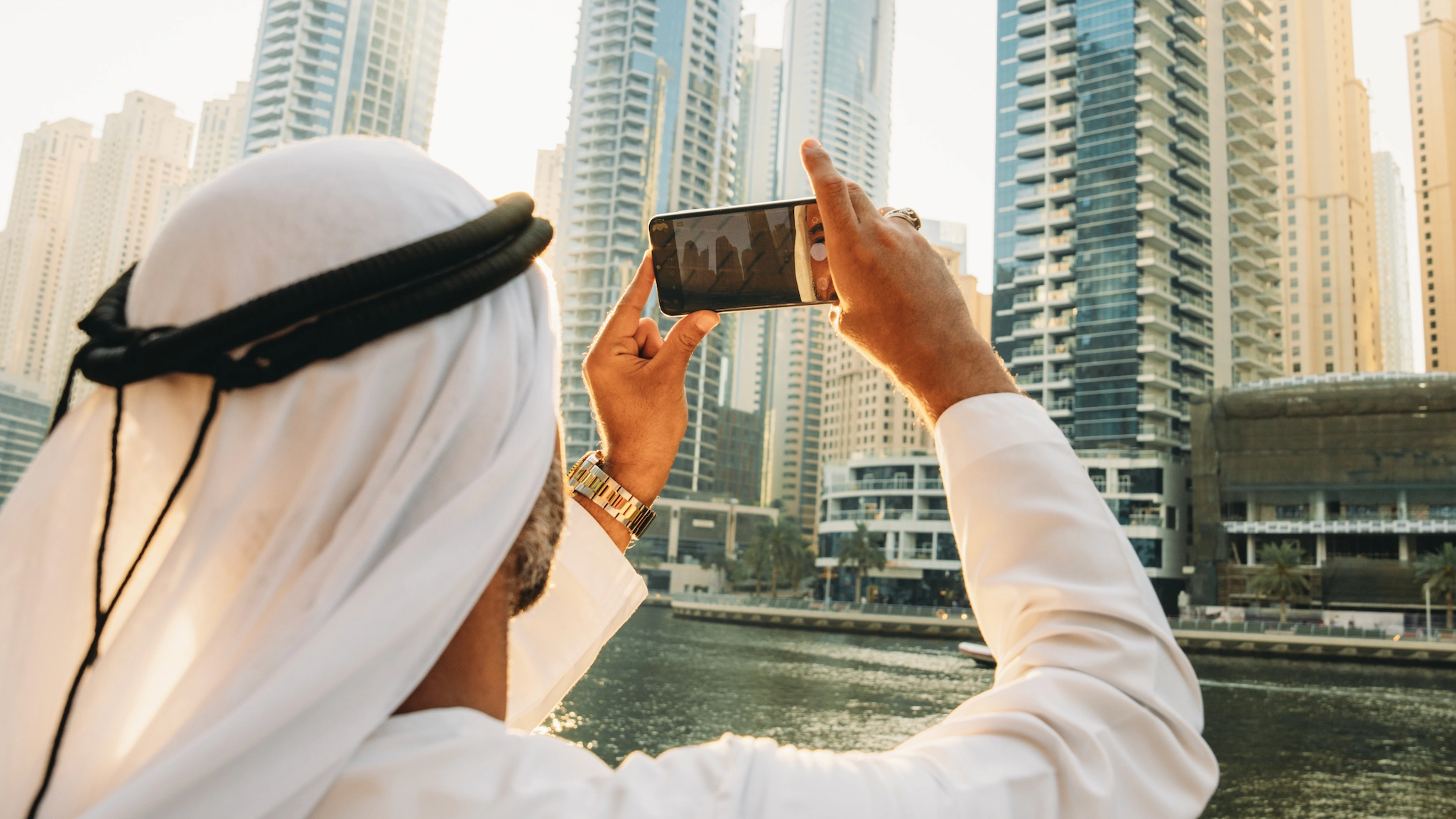
Rules about posting in Dubai as influencers claim they feel 'safe'

"You live in Dubai, aren't you scared?"
Anyone who is a frequent user of platforms such as TikTok and Instagram will likely have come across numerous videos of influencers based in the UAE posting this exact format, soundtracked to an AI remix of Stromae's song 'Papaoutai' and featuring clips of the Emirati leadership, with the caption 'No, because I know who protects us'.
Meanwhile, other creators have been quick to share footage of the Emirati president in the Dubai Mall onto their feeds, thanking the leader for keeping them safe.
But why are influencers hopping on this trend all of a sudden?
Advert
In response to Saturday's US-Israeli attack, Iran launched a wave of retaliatory missiles across the Middle East, with drone debris hitting cities such as Dubai and Abu Dhabi.
The chaos has led to a massive disruption of air travel and residents being advised to shelter in place.
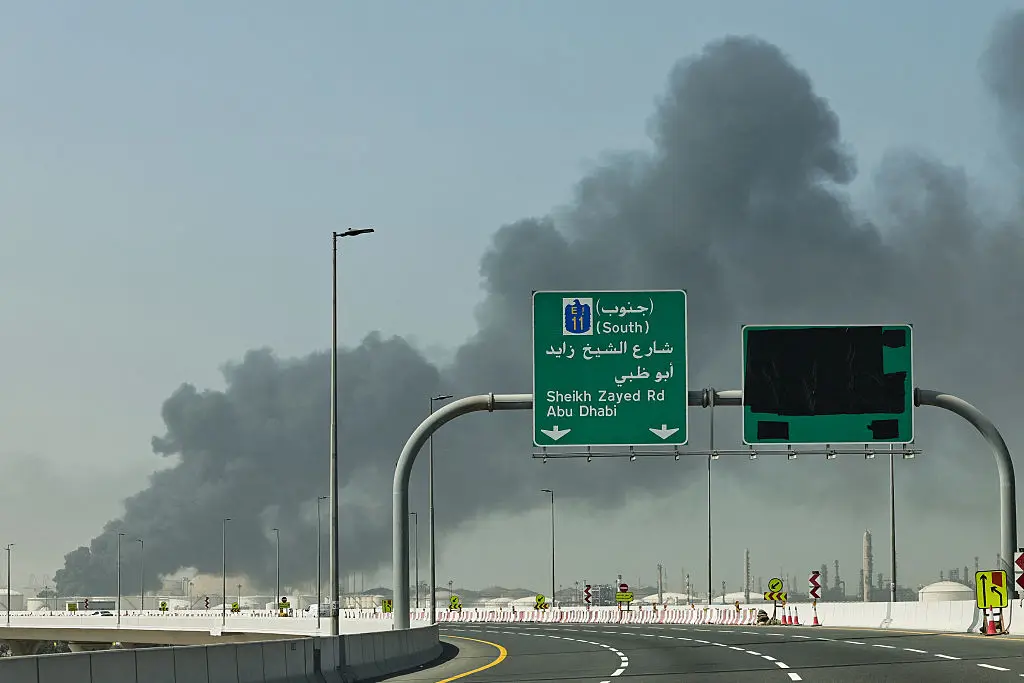
However, the region's influencer population has found a new way to show their adopted home.
But the sudden influx of videos has left creators being accused of being paid to promote the government and the Al Maktoum family.
What are the rules on social media posts about Dubai and its leadership?
Dubai has notoriously strict rules when it comes to posting about the emirate, its rulers and public offices.
The UK Foreign Office outlines that it is illegal to post any material which is critical of the UAE government.
This includes:
- respecting the directions and policies of the country on the local and international levels
- respecting the country's sovereignty, symbols and institutions, and the supreme interests of the UAE and its society
- respecting the culture and civilisation, national identity and values of the UAE community
- refraining from disseminating or circulating information that may offend or compromise national unity or social cohesion, incite violence or hatred or propagate a spirit of discord among society members, and the UAE’s legal and economic system
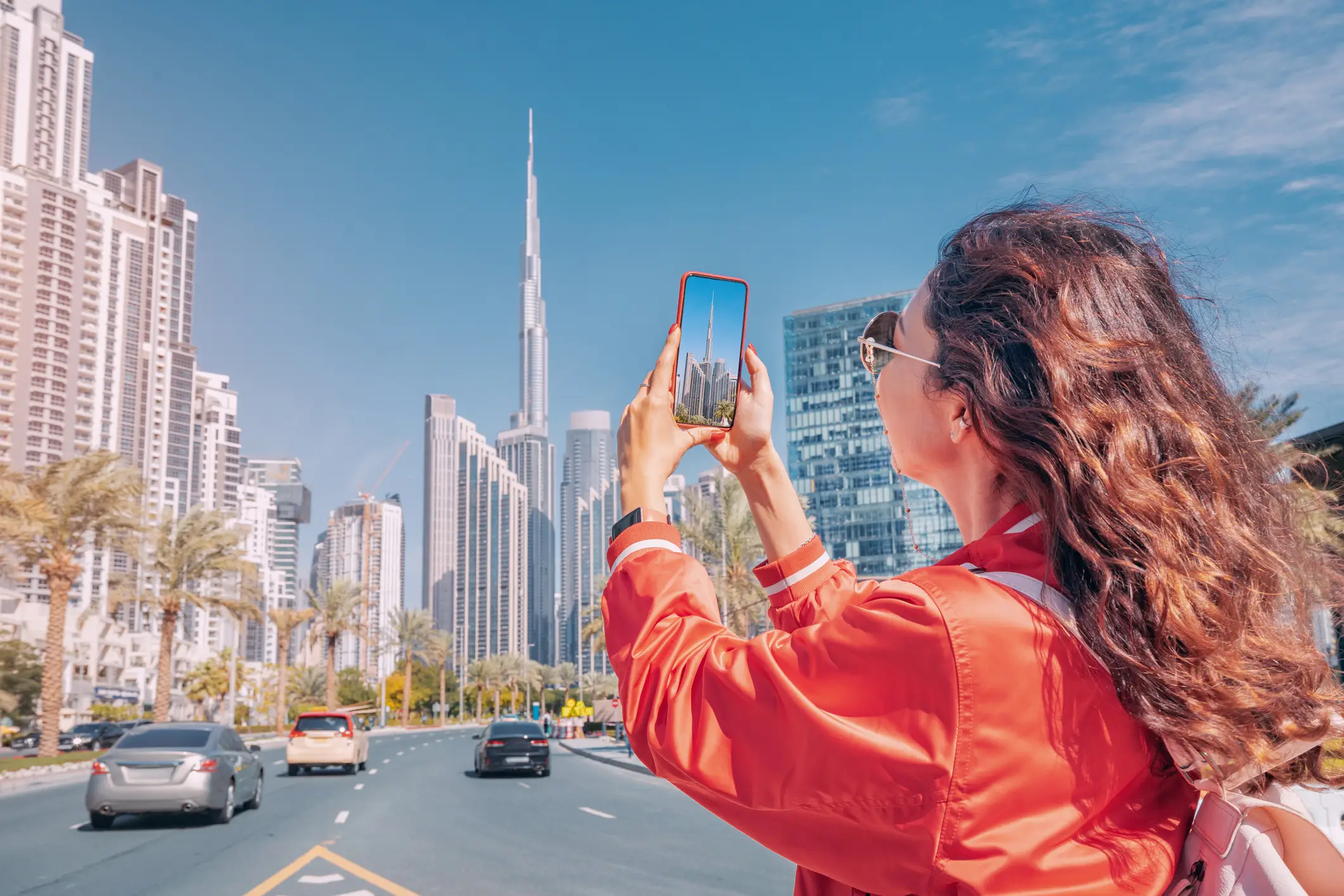
The UAE government has since shared a reminder about social media policies since the conflict with Iran started, saying that 'spreading rumours is a crime' with penalties for misinformation, including a AED200,000 (£40,000) fine and up to two years in prison.
Is there any evidence influencers are being paid to post these videos?
There is currently no evidence to say that influencers sharing such posts have been influenced by the UAE government, with several accounts later clarifying that they were simply showing loyalty to the city and its government.
"I don’t feel scared because we feel protected by leadership that puts our safety first, with air defenses working around the clock and emergency teams ready," one user captioned under their video, while a second wrote: "Jokes aside we are all safe and we trust in the UAE."
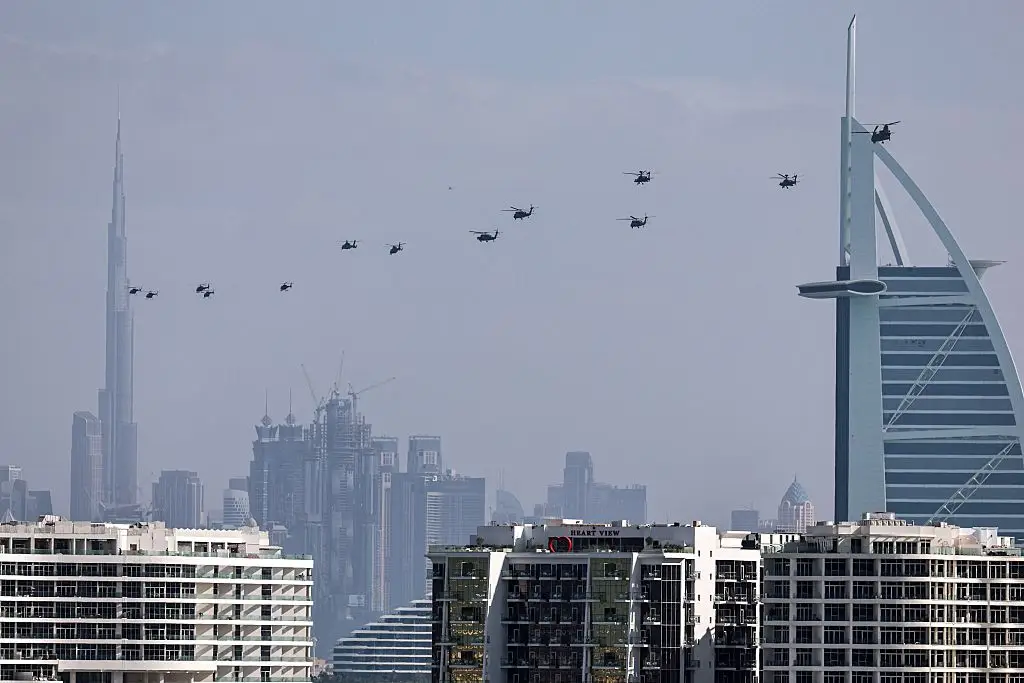
Meanwhile, other UAE residents have actually spoken out about the attacks catching them off guard and leaving them scared, with former Love Islander Arabella Chi telling Good Morning Britain that it was a 'very scary time' to be in the city.
"It's frightening when you hear missiles, planes and fighter jets - I don't know what it is - going above us, and you're hearing big bombs, and what that is we don't know as we don't know the details of what they are," former Manchester United star Rio Ferdinand said on his show Rio Ferdinand Presents.
However, the 47-year-old did note that he felt 'very secure and looked after' in the Middle Eastern city.
Meanwhile, the trend has since reached the 'parody' stage of the life cycle, with other users creating versions including the leaders of Finland, Ireland and Germany.
Topics: TikTok, Dubai, World News
 Brenna Cooper