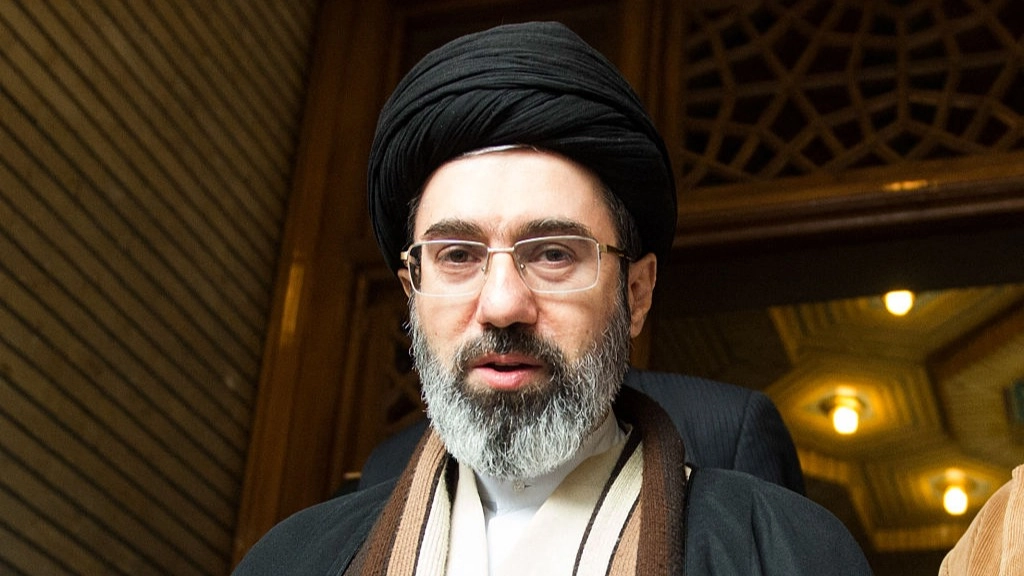
Iran's new supreme leader issues fresh statement on war tactic that could bring down the world economy

Iran's new supreme leader Mojtaba Khamenei has issued a fresh statement regarding the ongoing war tactic which could potentially bring down the world economy.
Mojtaba succeeded his father Ali after he was killed in the first round of US strikes against Iran, and while some sources have suggested that he was also severely injured in the same incident, he has now issued his first statement in charge of the Middle Eastern country.
Donald Trump suggested last week that the war was 'very complete' and seemed unfazed by the rising oil prices, something which has been brought about by Iran blocking the shipping passage known as the Strait of Hormuz.
And now Khamenei has confirmed that this tactic, which has seen Iran threaten to set fire to any ships looking to pass through, will continue.
Advert
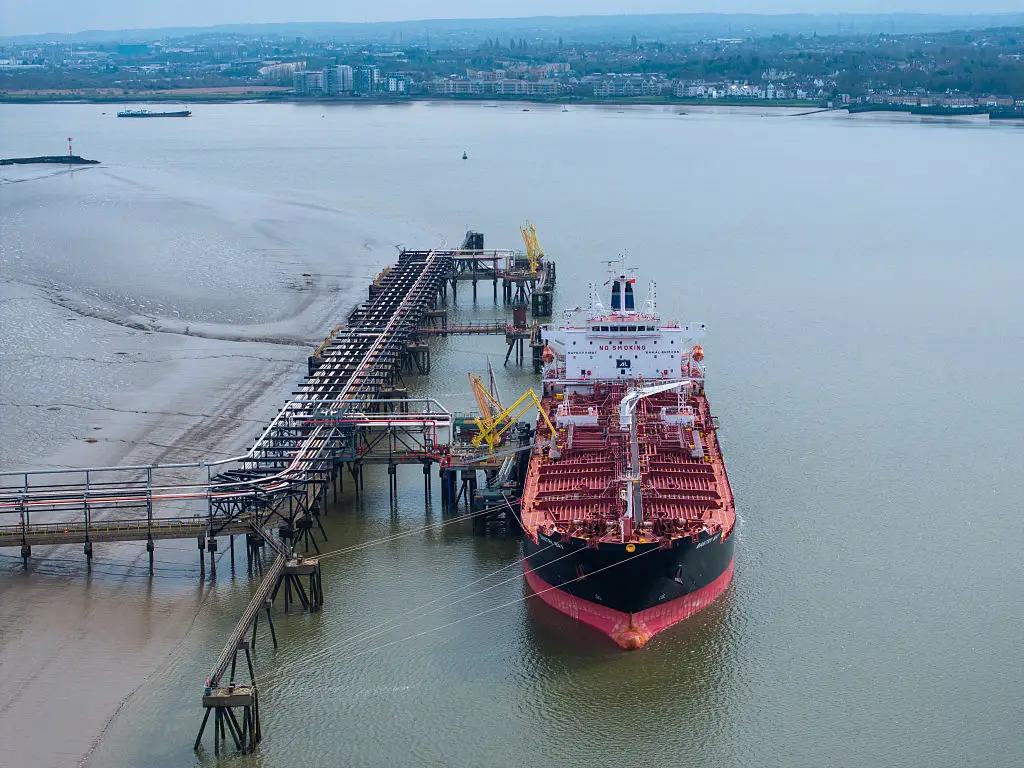
In comments translated by BBC Persian, Khamenei says that the 'lever of blocking the Strait of Hormuz' should still be used, something which has already seen the price of oil soar in recent weeks.
The narrow passage is just 50km (31 miles) at its widest, and it leads from the Persian Gulf into the Gulf of Oman, onto the Arabian Sea and the Indian Ocean while being responsible for handling 20 percent of global energy trade.
Just 100 miles long, the strait has Iran to its north and UAE and Oman to its south, and acts as the only way oil tankers can carry oil from heavy exporters such as Kuwait, Bahrain and Qatar, to the rest of the world.
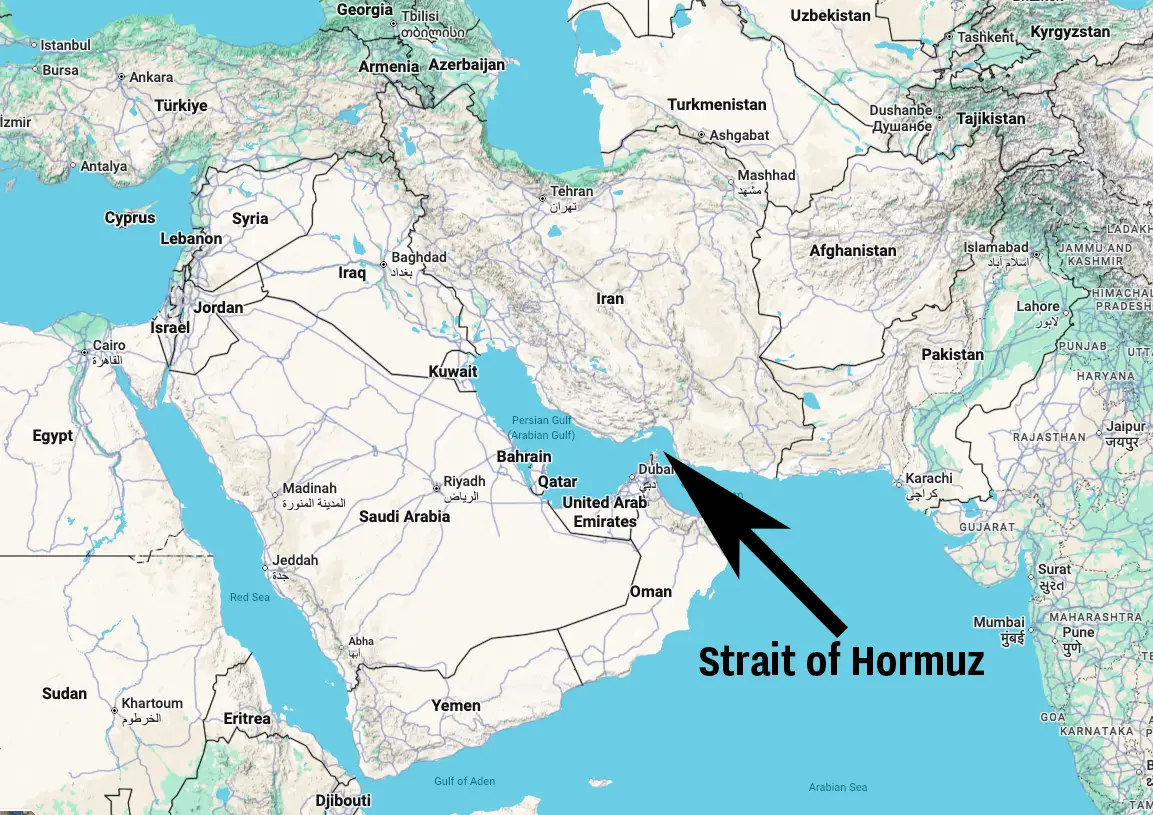
At its most narrow point it is just 24 miles wide, yet it is one of the most important areas for global maritime trade in the world.
Iran had claimed that they will 'set fire' to any ships looking to pass through the Strait of Hormuz, as Iran General Sardar Jabbari said that Tehran will 'not let a single drop of oil leave the region', report the BBC.
But it's not just oil that passes through the Strait of Hormuz, and blocking it could affect ordinary people and all manner of ways.
How does closing the Strait of Hormuz affect the global economy?
Food
CNBC reports that around one-third of the global fertiliser trade passes through the Strait of Hormuz, and the agriculture industry could also be hit by rising prices of animal feed.
Euronews adds that wheat, corn, bread, pasta and potatoes could get more expensive.
Pharmaceuticals
Menelaos Ydreos, secretary general of the International Gas Union, warned CNBC: "I think we have to look at the disruption in [its] totality rather than simply as a question of gas and oil. It is actually much more severe.”
Petrochemicals that transit through the Strait of Hormuz are essential for pharmaceuticals and plastics, he says.
Craig Geskey, vice president of strategic solutions at transportation management firm Traffix, added that rubber, electronics, batteries and sugar could also get more expensive.
Clothes
Buying clothes could also have a bigger impact on your wallet.
Andrei Quinn-Barabanov, supply chain industry practice Lead at Moody’s, told CNBC: "Risks are particularly acute for the Asian garment industry, which relies on petrochemicals shipped through the Strait to produce synthetic fabrics."
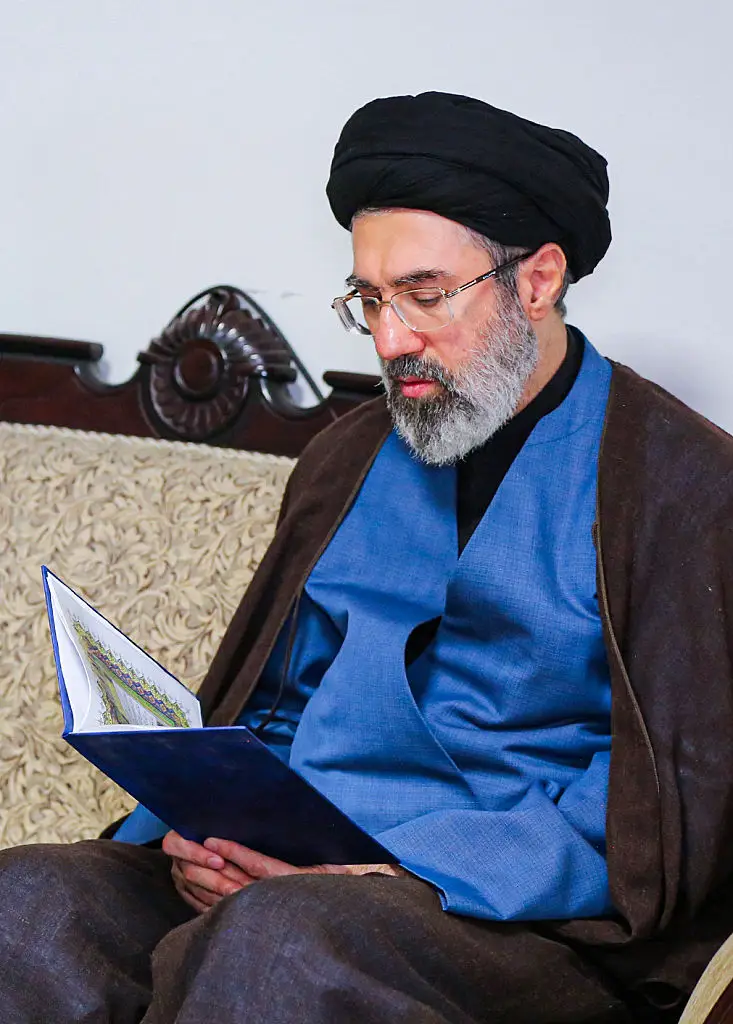 Mojtaba Khamenei is Iran's new supreme leader (Iranian President's Press Office / Handout /Anadolu via Getty Images)
Khamenei said Iran will not hesitate to 'avenge the blood of Iranians' who have been killed, particularly after 168 people, including 110 children, were killed during strikes near a school in Minab, something the US has already denied any involvement with.
The press conference, which was read out by a presenter on Iranian state TV, also saw the supreme leader urge neighbouring countries to close their US bases as he looks to continue their policy of friendship there.
The top US general, Dan Caine, previously said at a press conference that the US Navy may be brought in to escort ships through the Strait: “We’re looking at a range of options there, and we’ll figure out how to solve problems as they come to us."
Echoing his sentiments, the US Secretary of War, Pete Hegseth, said if 'Iran does anything to stop the flow of oil within the Strait of Hormuz, they will be hit by the United States of America 20 times harder than they have been hit thus far'.
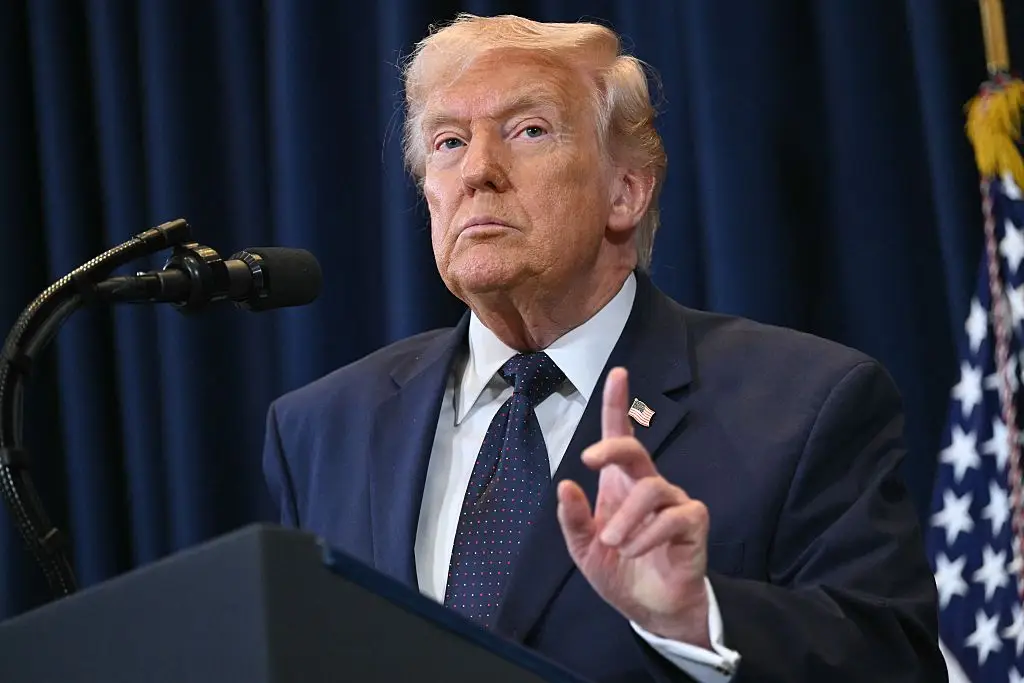
President Trump has also hit back at Iran's decision, suggesting that the US would only benefit from the rise in oil prices.
He wrote on his Truth Social platform: "The United States is the largest Oil Producer in the World, by far, so when oil prices go up, we make a lot of money.
"BUT, of far greater interest and importance to me, as President, is stoping [sic] an evil Empire, Iran, from having Nuclear Weapons, and destroying the Middle East and, indeed, the World. I won’t ever let that happen!"
Topics: Iran, Donald Trump
 James Moorhouse