Johnson and Johnson to pay out £4 billion settlement over talcum powder cancer claims

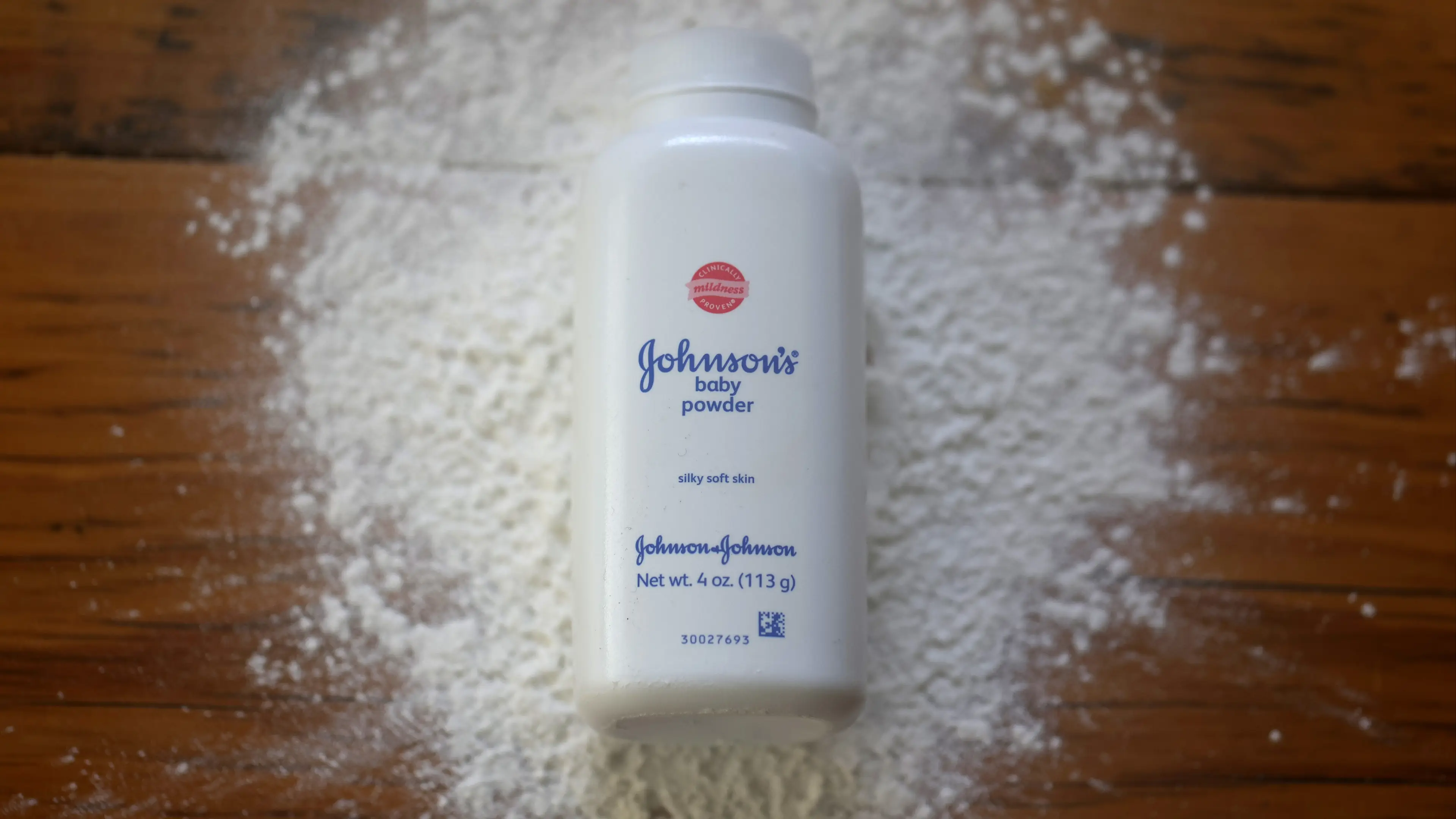
Pharmaceutical company Johnson & Johnson has offered a huge payout to settle tens of thousands of lawsuits in the US alleging that its baby powder and other products containing talcum can be linked to the cause of ovarian cancer.
The US-based firm from New Jersey said it will fork out as much as £4.14bn ($5.5bn) to resolve an estimated 76,000 claims and finally bring an end to a decade-long legal battle that has plagued the company.
However, J&J has denied that its talc-based products caused cancer and has changed the formula of its baby powder which is widely-used worldwide.
The lawsuits claimed that the company had been aware their product contained fibrous forms of talc, as well as tremolite and actinolite, both classed as asbestos, as early as the 1960s, although the company has strongly denied these allegations.
Advert
Erik Haas, the firm's vice president of litigation said on Monday (July 27) external that the allegations are 'meritless' and that J&J was willing to pay the settlement sums in order to finally resolve the major legal battles.
Plaintiffs’ law firms confirmed the deal and described it as a good resolution after a decade-long court battle. The deal must be accepted by 95 per cent of the ovarian cancer claimants in state or federal court before it then becomes final, it was said.
J&J announced that the settlement would cover about 76,000 cases, totalling most of the remaining talc-related claims. The firm said it will offer up to $3bn (£2.26bn) next year, with no additional payments due before 2028.
The case made claims that J&J had 'concealed' the risk to the public for decades, by not citing the dangers on its packaging, only replacing the talc with cornstarch in its baby powder in the UK as recent as 2023.
In a statement, Erik Haas, Worldwide Vice President of Litigation at the firm said some claims had 'lacked scientific merit. He said: “After decades of litigation and full vetting of the science in an extensive hearing, plaintiffs effectively conceded their inability to prove specific causation by withdrawing their experts on the topic in two bellwether cases.
"In a watershed moment, the Court thereafter ordered plaintiffs to show why the remaining claims should not be dismissed, confirming what we have maintained for years: that these claims lack scientific merit and were sustained only by unreliable expert opinions that could not survive rigorous judicial review."
He continued that while he was 'confident' that the company would have 'prevailed with further litigation', that the financial settlement would allow the firm to 'put the matter behind it and remain focused on its mission to develop medicines and devices that save lives.'
Does talcum powder cause cancer?
Talc itself is a naturally occurring mineral made of magnesium, silicon, and oxygen, however, some talc deposits can contain asbestos in its natural form. However, asbestos is known to cause cancer, meaning talcum powder containing asbestos could increase the risk of cancer.
According to the NHS, mesothelioma, which is most commonly found in the tissue around the lungs, is almost always caused by asbestos exposure.
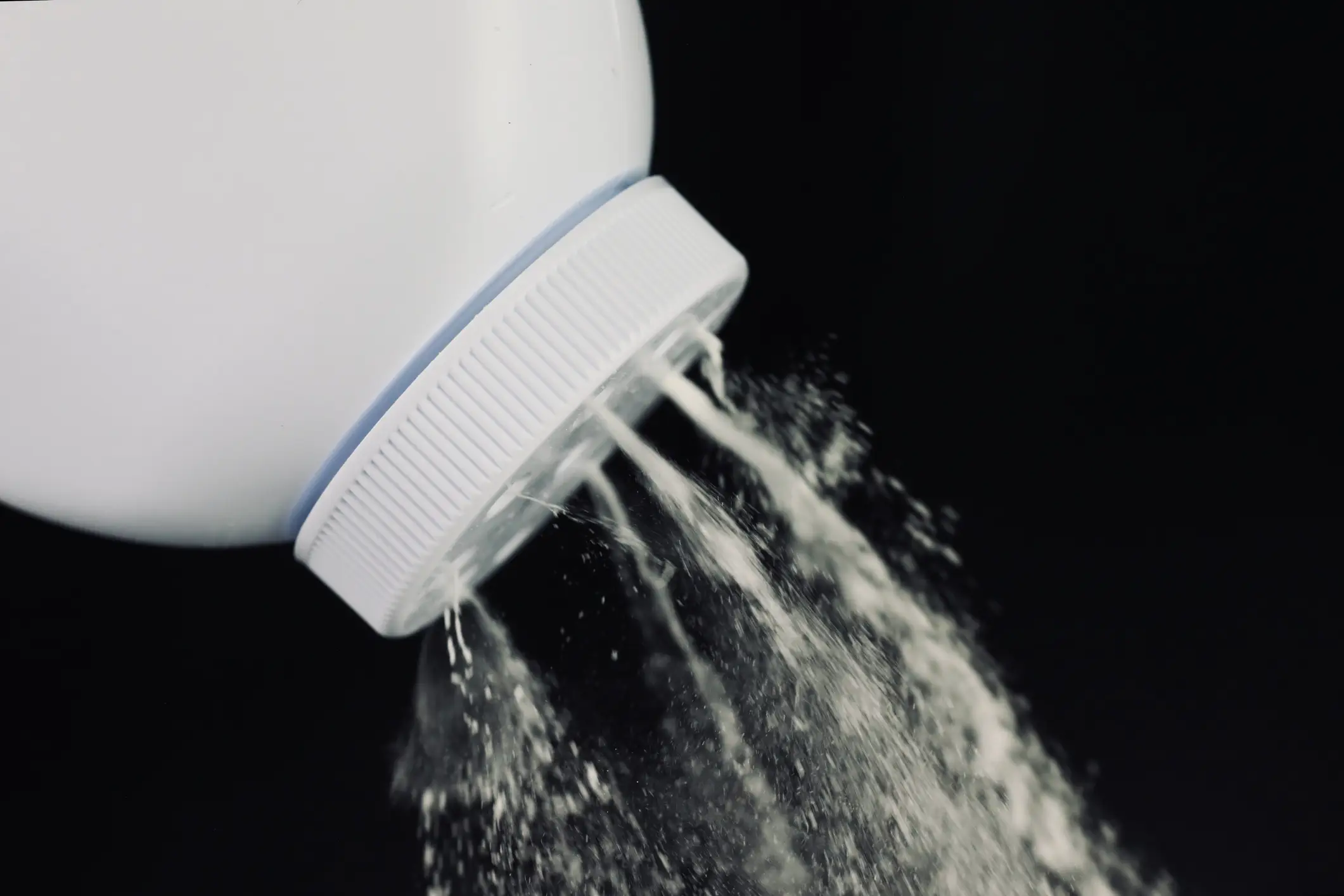
Rawlinson noted that when a bottle of Baby Powder is squeezed or shaken it can leave 'clouds' of the powder lingering in the air 'for a very long time after use', meaning they would be heavily inhaled by the person using it.
A spokesperson for Johnson & Johnson's subsidiary, Kenvue, previously told LADbible: "We sympathise deeply with people living with cancer. We understand that they and their families want answers - that’s why the facts are so important.
"The safety of JOHNSON’S® Baby Powder is backed by years of testing by independent and leading laboratories, universities, and health authorities in the UK and around the world.
"The high-quality cosmetic grade talc that was used in JOHNSON’S® Baby Powder was compliant with any required regulatory standards, did not contain asbestos, and does not cause cancer.”
 James Holt