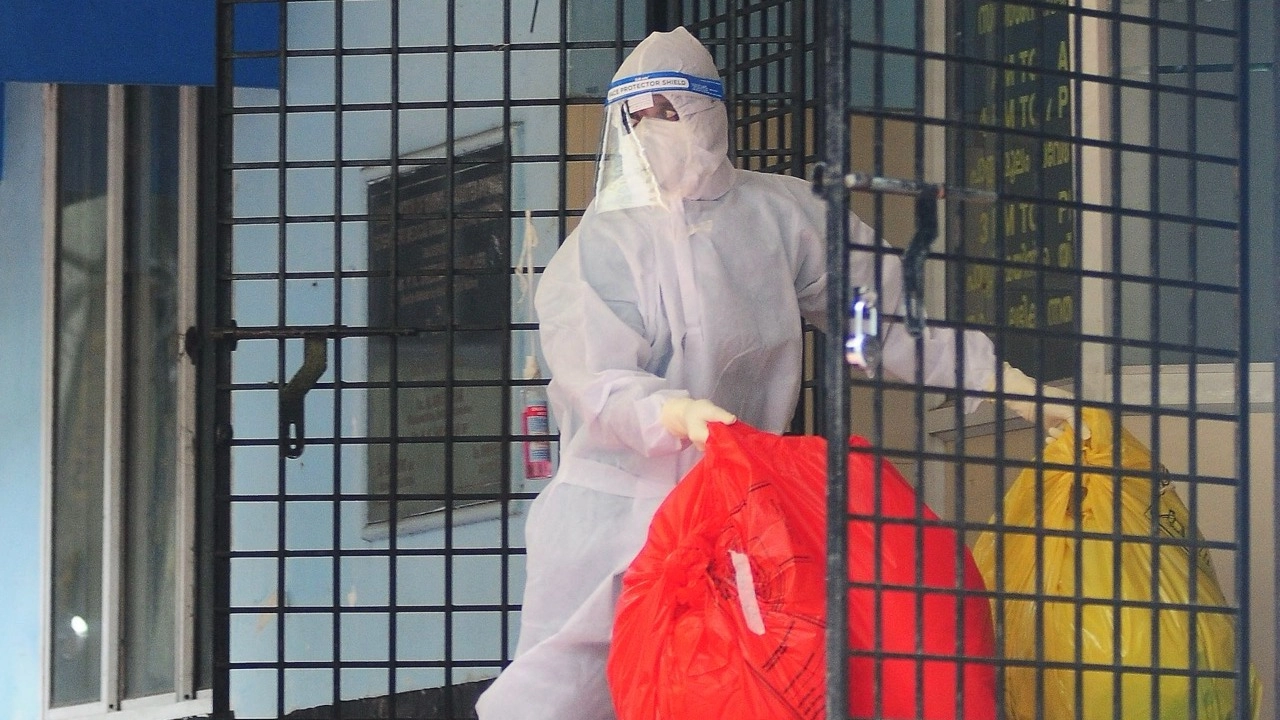
Symptoms explained as outbreak of deadly virus with no cure and 'epidemic potential' reported

Update 28/01/26: Following publication of this article, the Indian government has clarified that there are only two confirmed cases of Nipah virus. It was previously stated there were five cases, but this was clarified following test results.
India is facing at least five confirmed cases of a Nipah virus outbreak, as nearly 100 people have been asked to quarantine at home.
It appears to be spreading in hospitals in the eastern state of West Bengal, with mainly doctors and nurses being affected.
The deadly virus has no cure, no vaccine and is classified as a high-risk pathogen by the World Health Organisation (WHO).
Advert
At least two cases have been reported at the private Narayana Multispeciality Hospital in Barasat, West Bengal, 16 miles from the capital city Kolkata.
“Two nurses at a private hospital are infected with Nipah virus, and one of them is in critical condition,” Mr Narayan Swaroop Nigam, Principal Secretary, Health and Family Welfare Department, West Bengal, told The Telegraph.
The outlet reports that out of the 180 people tested, 20 high risk contacts have been quarantined, as one person is said to be in critical condition.
“All of them are asymptomatic and tested negative. We will again test them before their 21-day quarantine ends,” Nigam said.
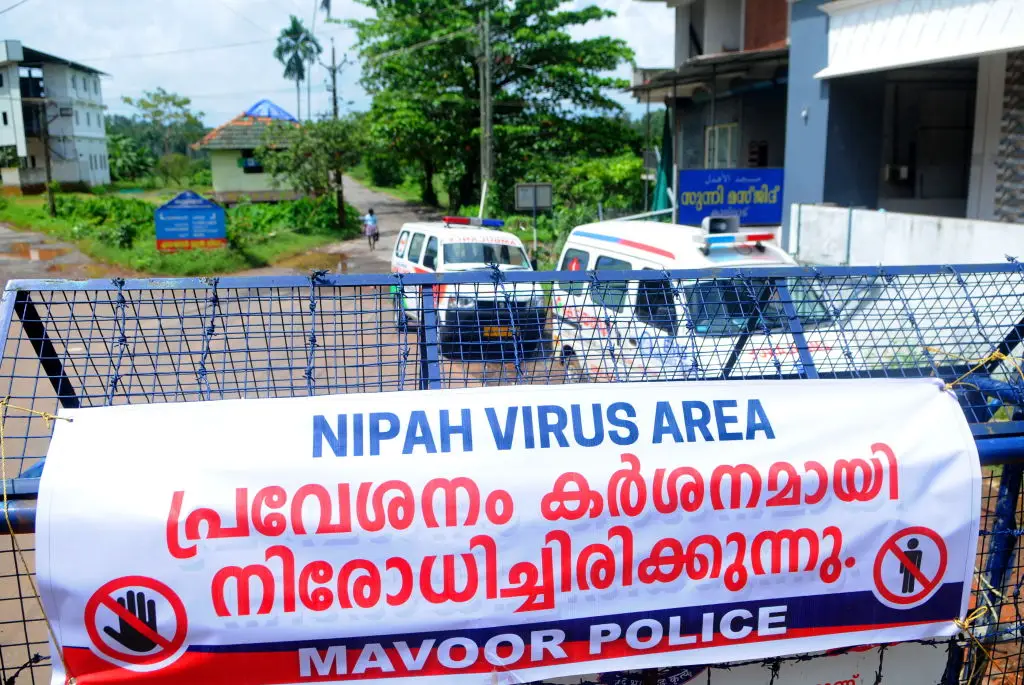
What is the Nipah virus?
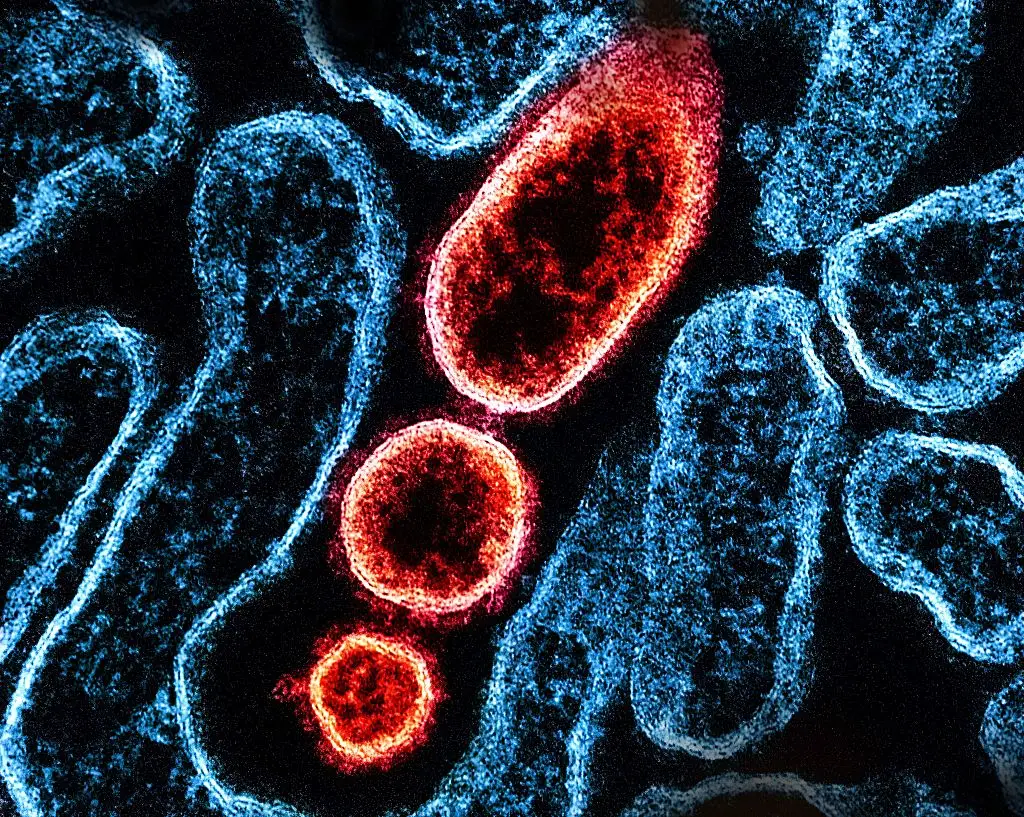
Nipah virus is a bat-borne pathogen transferred from animals to humans.
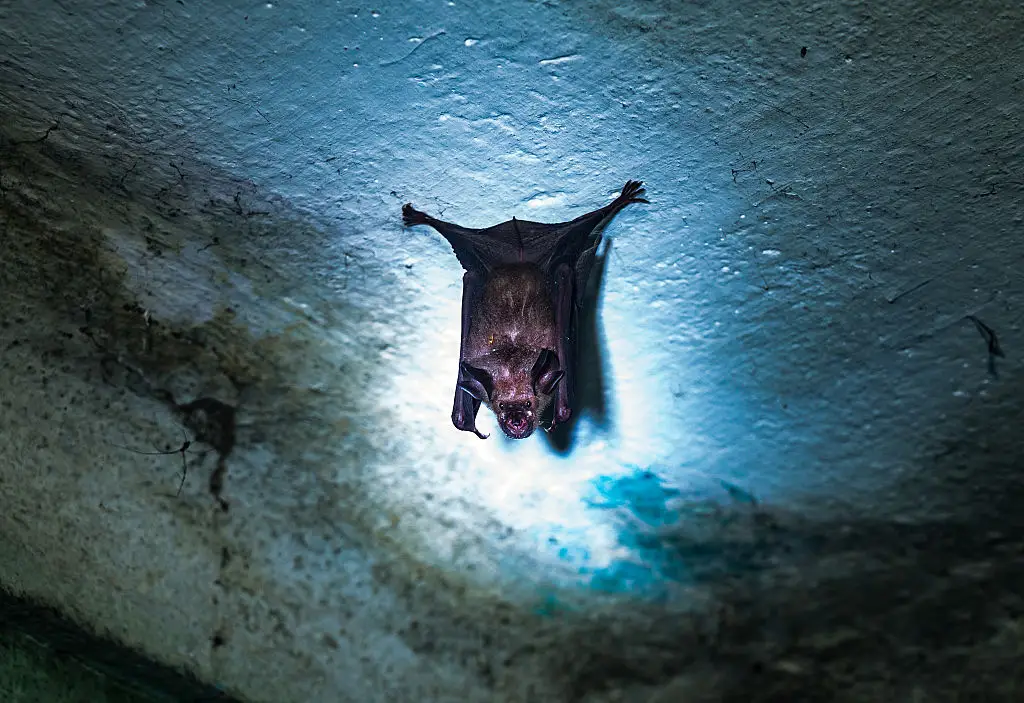
Fruit bats, in particular, are natural hosts, with pigs acting as intermediate hosts.
It can spread through direct contact with infected animals, contaminated food, or human-to-human contact.
The WHO reports that the mortality rate is estimated at 40 percent to 75 percent, and that the 'there is no treatment or vaccine available for either people or animals'.
Symptoms of the Nipah virus
"Human infections range from asymptomatic infection to acute respiratory infection (mild, severe), and fatal encephalitis," the WHO said.
Symptoms typically include 'fever, headaches, myalgia (muscle pain), vomiting and sore throat'.
This can be followed by 'dizziness, drowsiness, altered consciousness, and neurological signs that indicate acute encephalitis'.
"Some people can also experience atypical pneumonia and severe respiratory problems, including acute respiratory distress," the WHO adds.
"Encephalitis and seizures occur in severe cases, progressing to coma within 24 to 48 hours."
Past outbreaks
Nipah virus was first identified around 1998 during a severe outbreak in Malaysia and Singapore, where pigs acted as the intermediate host.
Since 2001, Bangladesh has experienced almost annual outbreaks, often linked to consumption of contaminated date palm sap.
India has reported repeated outbreaks, notably in West Bengal in 2001 and 2007, then in Kerala from 2018 onwards with several fatalities. Sporadic cases have also occurred in the Philippines.
A total of 754 human NiV cases with 435 deaths (fatality rate: 58 percent) were reported globally, according to 2024 stats.
Bangladesh recorded the highest incidences (341 cases and 241 deaths; fatality rate: 71 percent).
Topics: Health, World News, News
 Anish Vij