
Outbreak of deadly virus with no cure and 'epidemic potential' reported in India as officials issue severe warning

Update 28/01/26: Following publication of this article, the Indian government has clarified that there are only two confirmed cases of Nipah virus. It was previously stated there were five cases, but this was clarified following test results.
Indian health officials are currently battling to contain an outbreak of a deadly virus which has no vaccine or cure.
There are currently least five confirmed cases of Nipah virus (NiV) in the eastern state of West Bengal, which is the fourth most populous state in the country.
Three nurses, a doctor and a member of health staff - who all share links to the same private hospital - have been infected.
Advert
One of the patients is currently in a 'critical' condition, the West Bengal health department said. Experts are still working to determine how the five people contracted the virus.
But according to The Telegraph, one of the nurses who was first infected caught Nipah virus while treating a patient with severe respiratory symptoms - who later died before testing could be carried out.
Almost 100 people who have been in close contact with the infected have been quarantined and are under observation, state officials said.
"All of them are asymptomatic and tested negative," said Narayan Swaroop Nigam, who is the Principal Secretary of the Health and Family Welfare Department in West Bengal.
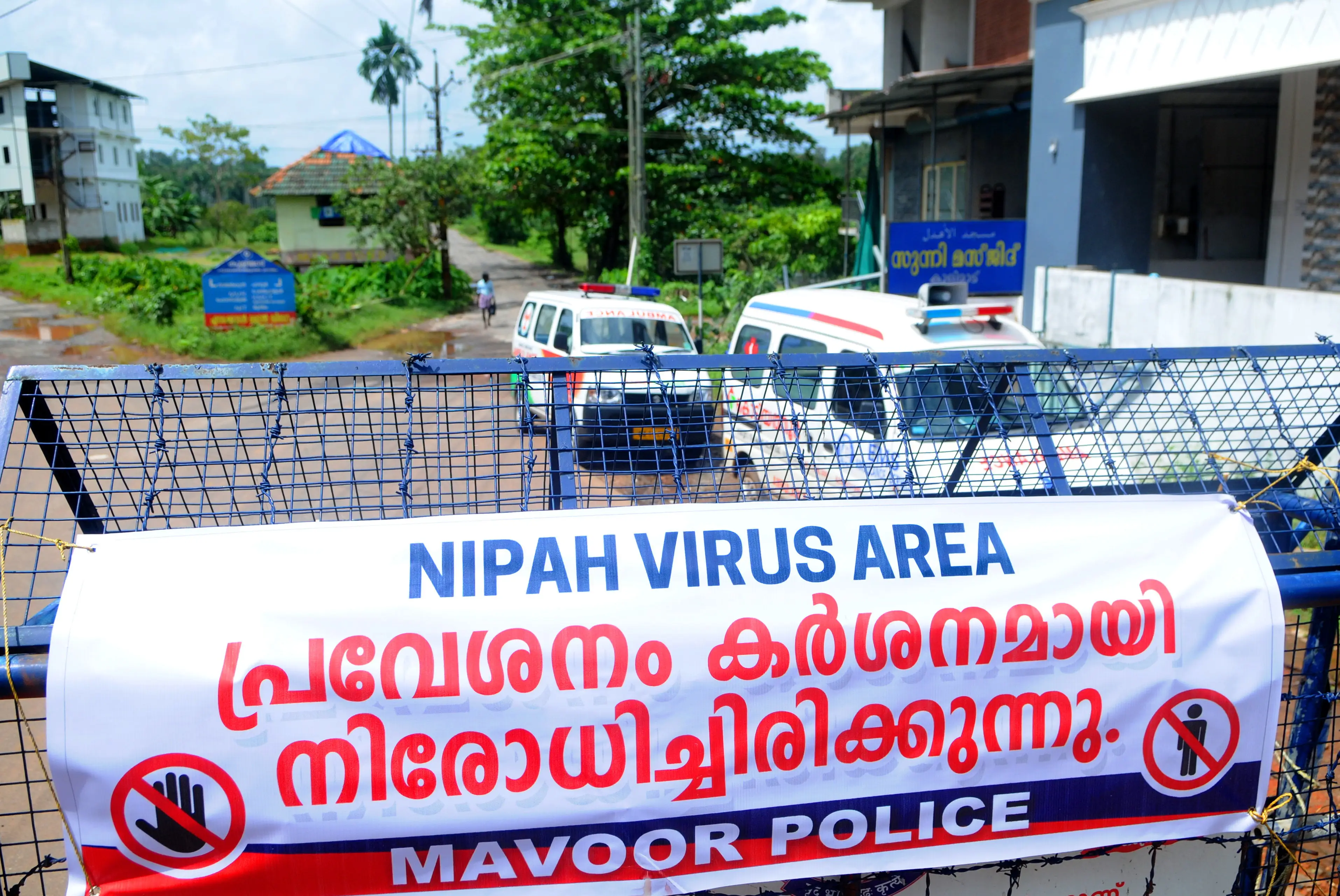
"We will again test them before their 21-day quarantine ends," Nigam added.
The World Health Organisation (WHO) classes Nipah virus as a high-risk priority pathogen, meaning it has the potential to cause an 'epidemic'.
It has earned itself a spot on the organisation's Research & Development Blueprint list of epidemic threats as a result.
With no approved vaccine or cure to remedy the zoonotic illness, the WHO previously warned that 'urgent' research and development is needed.
There have been no known cases of Nipah virus reported in the UK to date, however, the Health Security Agency (UKHSA) is now intently monitoring the situation in India.
According to the WHO, the illness is transmitted to people from animals, although people can also get struck down by it after eating contaminated food. It can then spread directly from person-to-person.
Guidance from the UK government also explains: "Close and direct, unprotected contact with infected patients, especially those with respiratory symptoms, has been implicated as a transmission risk."
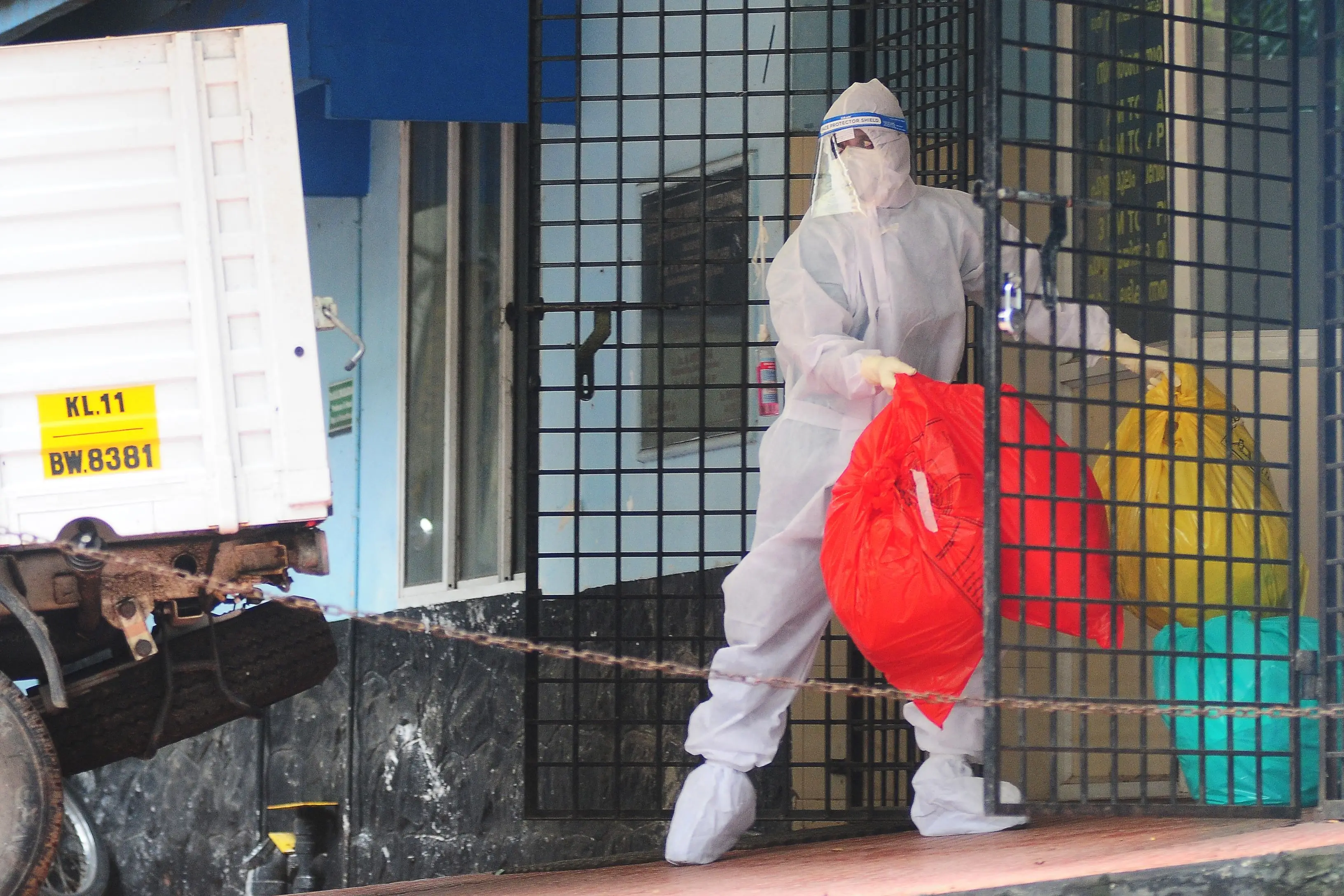
Those who have been infected usually begin to experience symptoms which are comparable to the flu or a fever - but it can later trigger fatal brain swelling.
Signs of Nipah virus include a temperatures, headaches, myalgia (muscle pain), vomiting and sore throat, as well as dizziness, drowsiness, altered consciousness, and neurological issues.
The WHO states: "Some people can also experience atypical pneumonia and severe respiratory problems, including acute respiratory distress."
In severe cases, patients may develop encephalitis - the life-threatening inflammation of the brain - or seizures, which the WHO says can then lead on to 'a coma within 24 to 48 hours'.
According to the WHO, 40 percent to 75 percent of cases of Nipah virus end in fatalities.
The virus was first recognised in 1999 during an outbreak among pig farmers in Malaysia.
It is thought to have been transmitted to humans via exposure to secretions from the animals, or unprotected contact with the tissue of a sick pig.
Nipah was also found in Bangladesh in 2001, and nearly annual outbreaks have occurred in that country since.
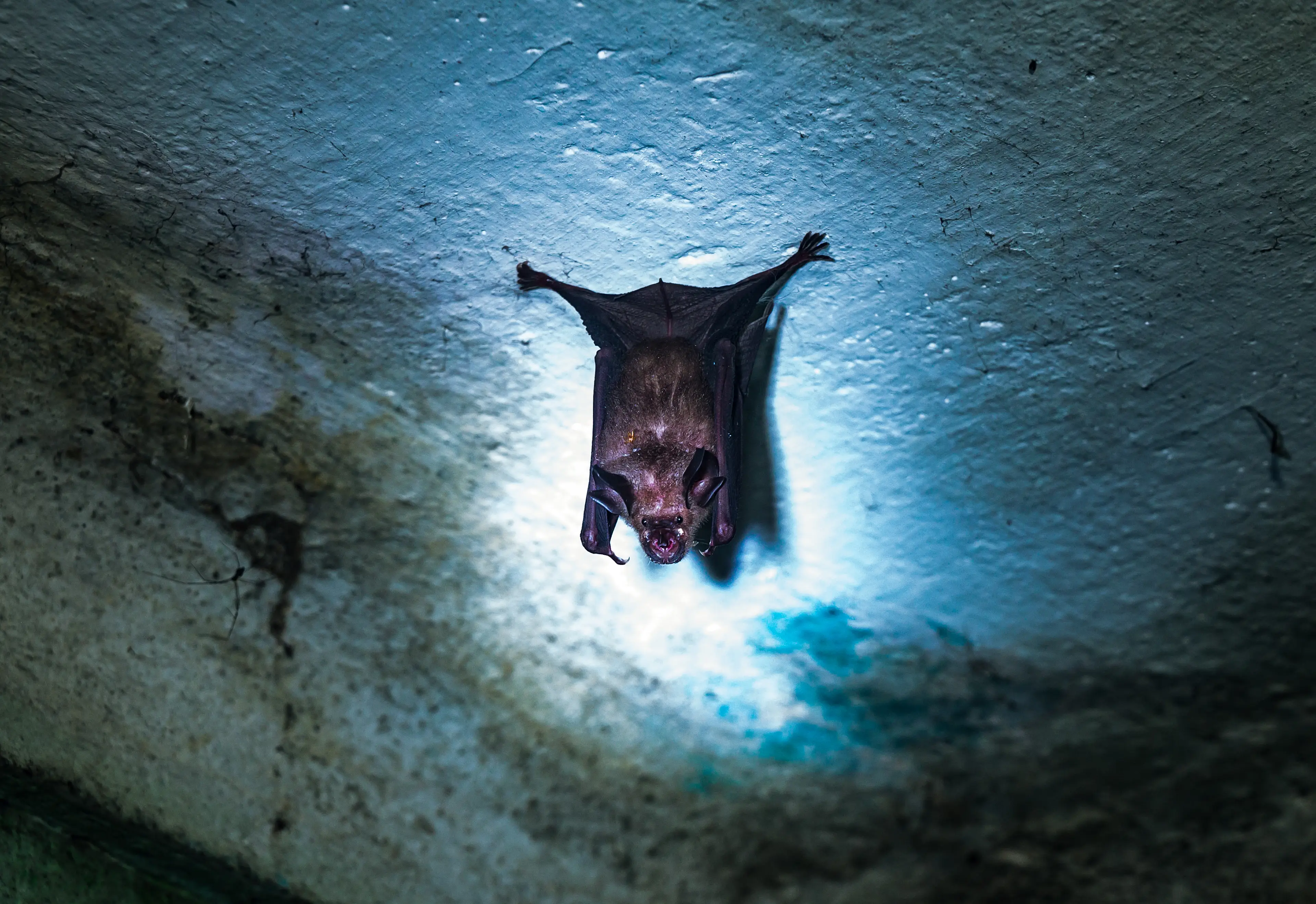
Evidence of the virus has also been found in bat species in a number of countries, including Cambodia, Ghana, Indonesia, Madagascar, the Philippines and Thailand.
Subsequent outbreaks in India have been attributed to infected fruit bats.
India's Ministry of Health and Family Welfare shared a post on social media encouraging people to 'follow essential precautions to prevent infection'.
People are being urged to wash fruit and vegetables thoroughly, clean their hands with soap and water and to wear protective clothing when in contact with animals, among other advice.
The government also warned people to avoid eating 'contaminated and half-eaten fruits from trees' as well as raw date palm juice and toddy-like liquid kept in open pots.
Topics: Animals, Health, Science, World News
 Olivia Burke