Inside 'the most dangerous place on Earth' where experts warn Russia could spark WW3

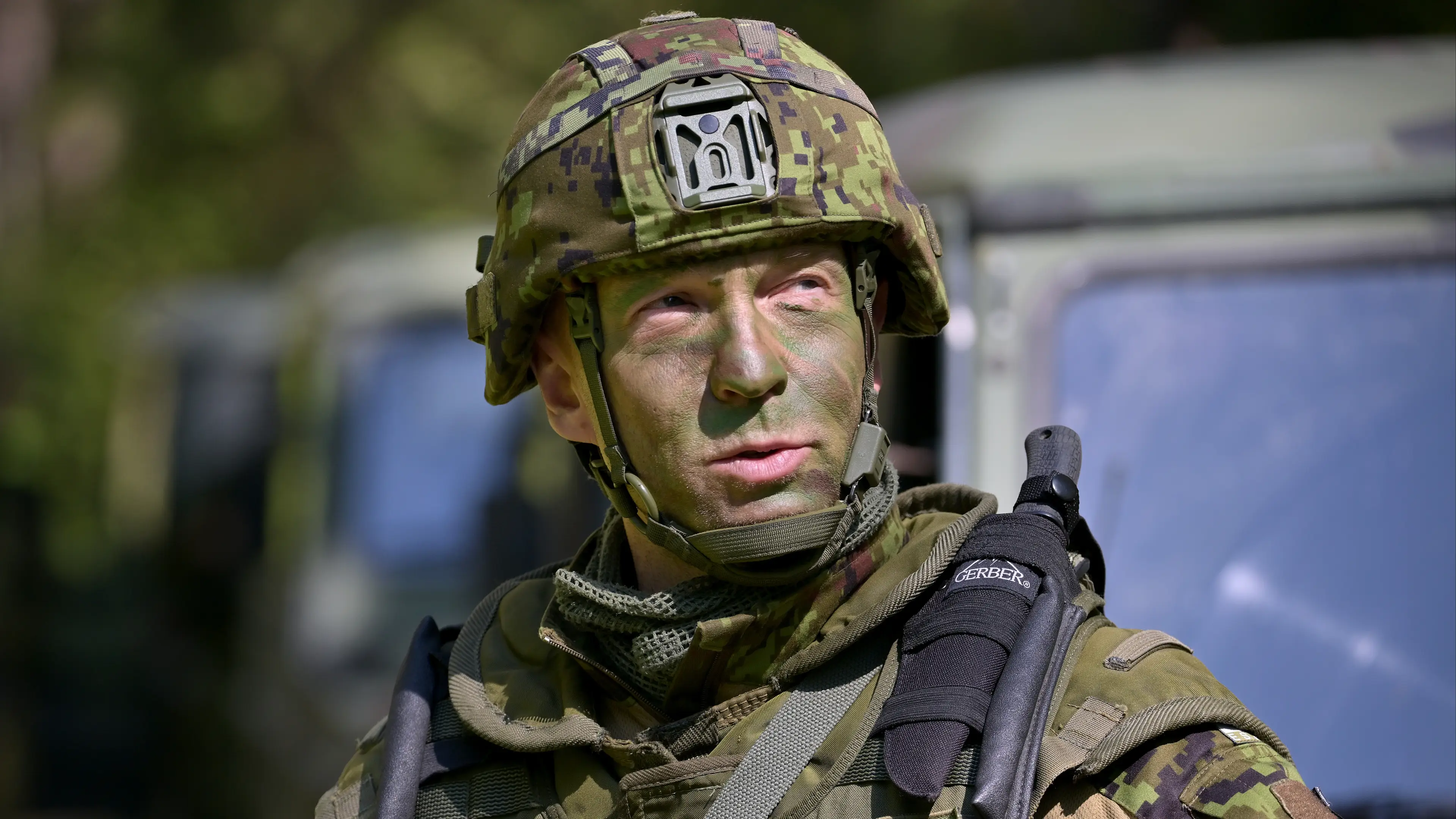
This strip of land squeezed between NATO and a tiny Russian enclave has been called ‘one of the most volatile points on the world map’ by retired US General and former commander of the US Army Europe Ben Hodges.
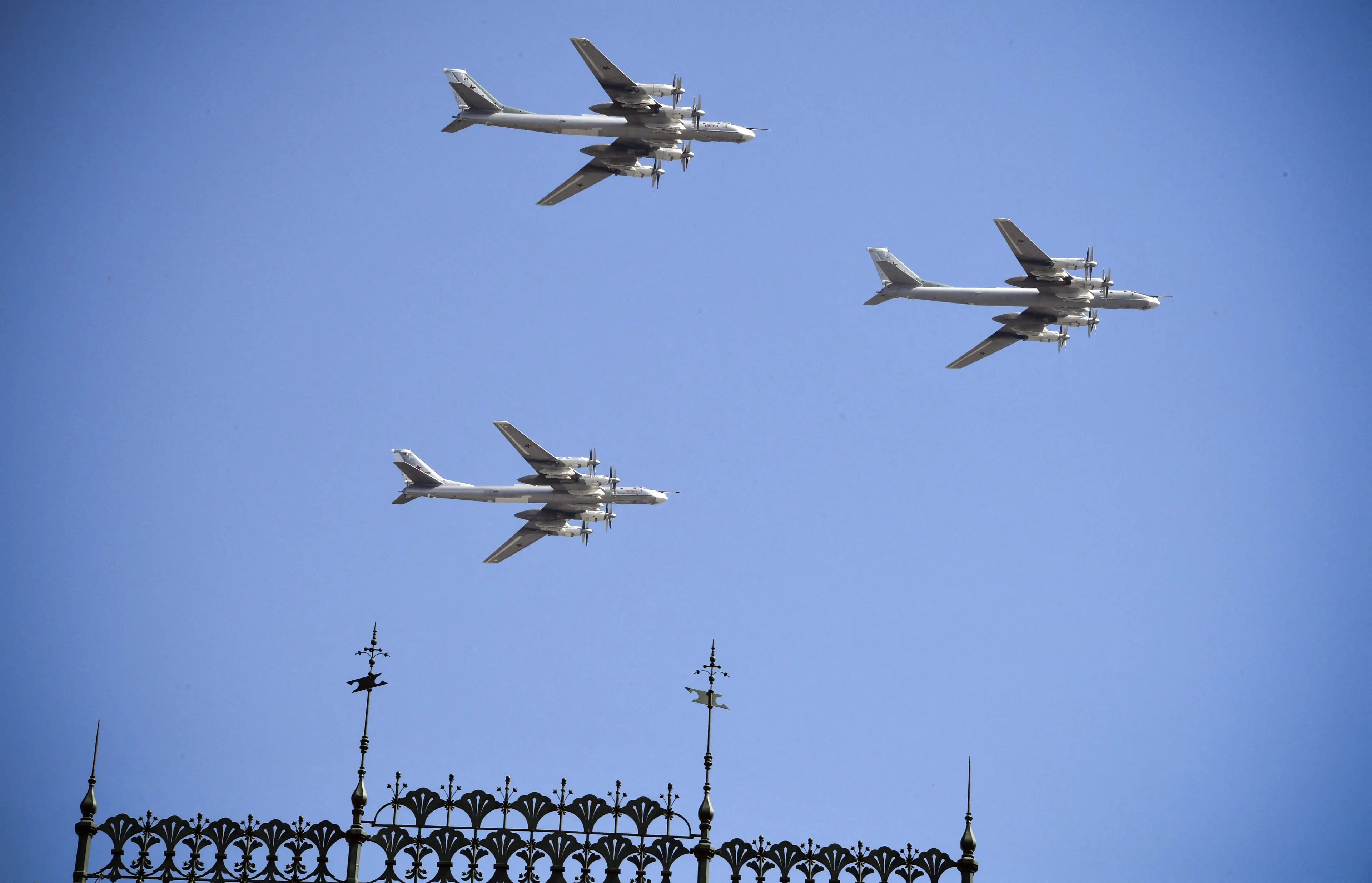
The sparsely populated 40-mile-long Suwałki Gap stretches across NATO’s Poland-Lithuania border, but it links Russia’s key ally Belarus with the heavily armed Russian territory of Kaliningrad, which is home to 100 of Putin’s nuclear warheads, which are thought to be pointed at the West and to Russia’s Baltic Fleet.
This makes it, according to defence experts, one of the most critical geopolitical choke points in Europe – possibly the world.
Advert
According to the Metro, foreign policy expert David A. Andelman noted of the Gap: “It’s here any shootout between NATO and Russia could start. Or even World War III.”
Writing for Politico, veteran journalist Matthew Karnitschnig called it ‘the most dangerous place on Earth’ and the Gap is commonly known in defence circles as ‘Europe’s Achilles heel’.
Furthermore, its the only land bridge linking the Baltic states of Lithuania, Latvia and Estonia to Poland and the rest of continental Europe.
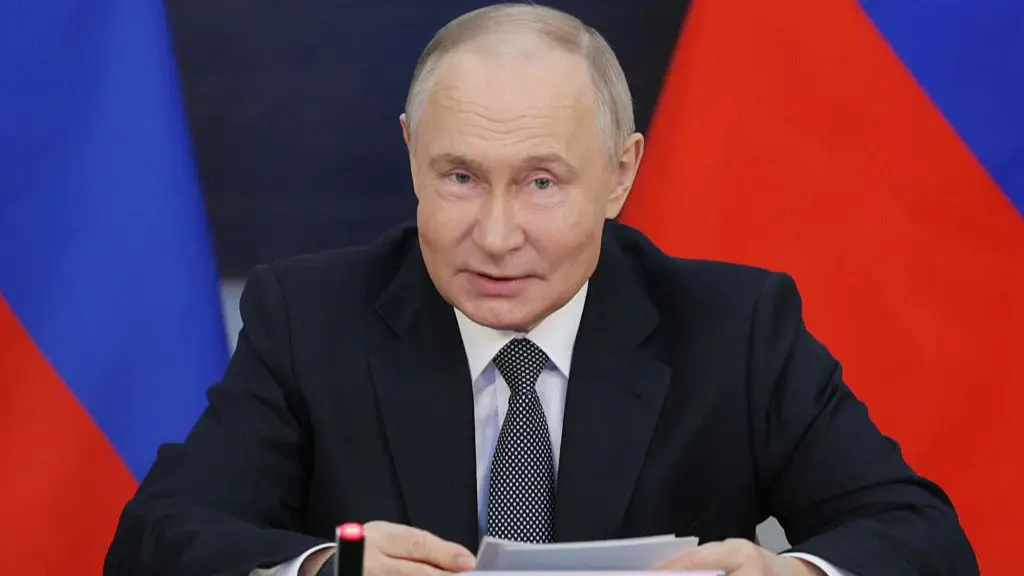
This tiny corner of Europe was identified by the World Economic Forum in 2022 as being singularly vulnerable to Russian attack. In the outlined scenario, Putin launches a pre-emptive strike against NATO, sending land forces in a pincer movement against this bottleneck.
NATO forces would be cut in two by such a strike, potentially in a matter of hours, however by that time Article 5 of the alliance would be triggered – committing all 32 members, including, in theory, Donald Trump’s America, into action against Russia, which could mean WW3 for us all.
However, in amongst the terrifying geo-strategic uncertainty live the ordinary people of this Baltic region.
Speaking with the US Sun, unemployed Jurgita Maurucaite, 43, of Kybartai, Lithuania, who was interviewed just 300 yards from the border with the Russian territory, said, “I wouldn’t know which way to run if there was an incursion.
“I’m worried, but what can I do? If the tanks come, I will pray.”
Another local, mother-of-two Giedre Brozotsko, 38, pointed out the razor wire framing the land towards Kaliningrad and said: “When I was a child, there were no fences.
“I would jump over a small stream and talk to the Russian guards. They were friendly.”
“My daughter was given a talk at school about what would happen if the Russians invaded.
“We would flee to Poland or, in the worst-case scenario, get a boat out into the Baltic Sea.”
And the fears of locals appear vindicated, at least to anyone following news of the region.
Just last month Poland’s foreign minister Radoslaw Sikorski said NATO troops should be deployed to the Gap in order to draw Putin’s troops from Ukraine to help deter any potential NATO invasion of Kaliningrad.
Lithuania, according to the Sun report, was drilling its population with emergency alerts and carrying out military manoeuvres and evacuations this week.
Since the vulnerability of the Gap has been known, a Baltic Defence Line has been established, with bunkers, minefields and anti-tank barriers also built.
With the accession of Finland and Sweden to NATO – the security landscape of the Baltic Sea region has been transformed into the NATO ‘Lake’, with allies now enjoying a strong sea and air presence around Kaliningrad.
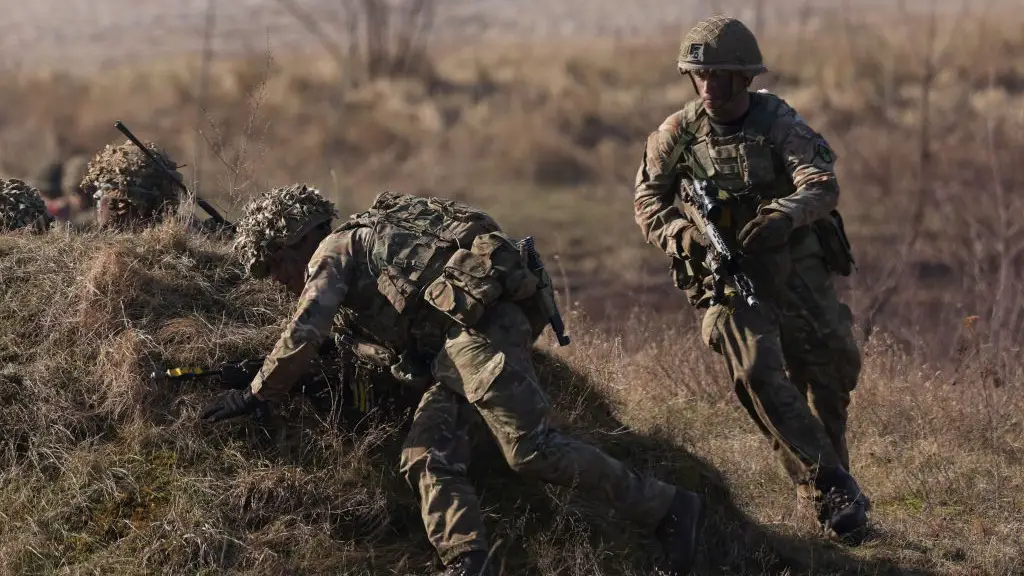
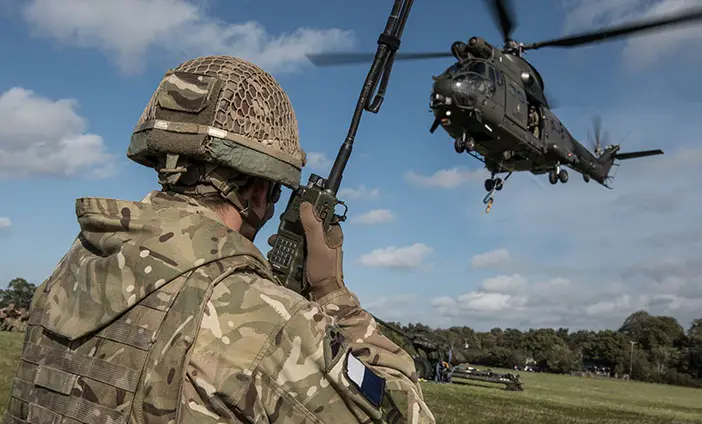
For its part, Britain has committed to high-readiness deployment in the Baltic, leading a multinational battlegroup in Estonia and having cleared its forces to immediately deploy to the frontline in the event of a Russian invasion.
The question remains, with Putin pouring ever greater manpower and money into Russia’s military, will this all be enough to prevent WW3 being sparked in the Suwałki Gap?
 Michael D. Carroll