Mortician explains what 'slush' returned to Titan Sub victim family in 'shoeboxes' actually was

A mortician has clarified what it means when a person's remains are described as 'slush' – after details of the passengers who died onboard the Titan submersible are revealed.
Last month, Christine Dawood spoke to The Guardian about the loss of her husband, Shahzada Dawood, and son, 19-year-old Suleman.
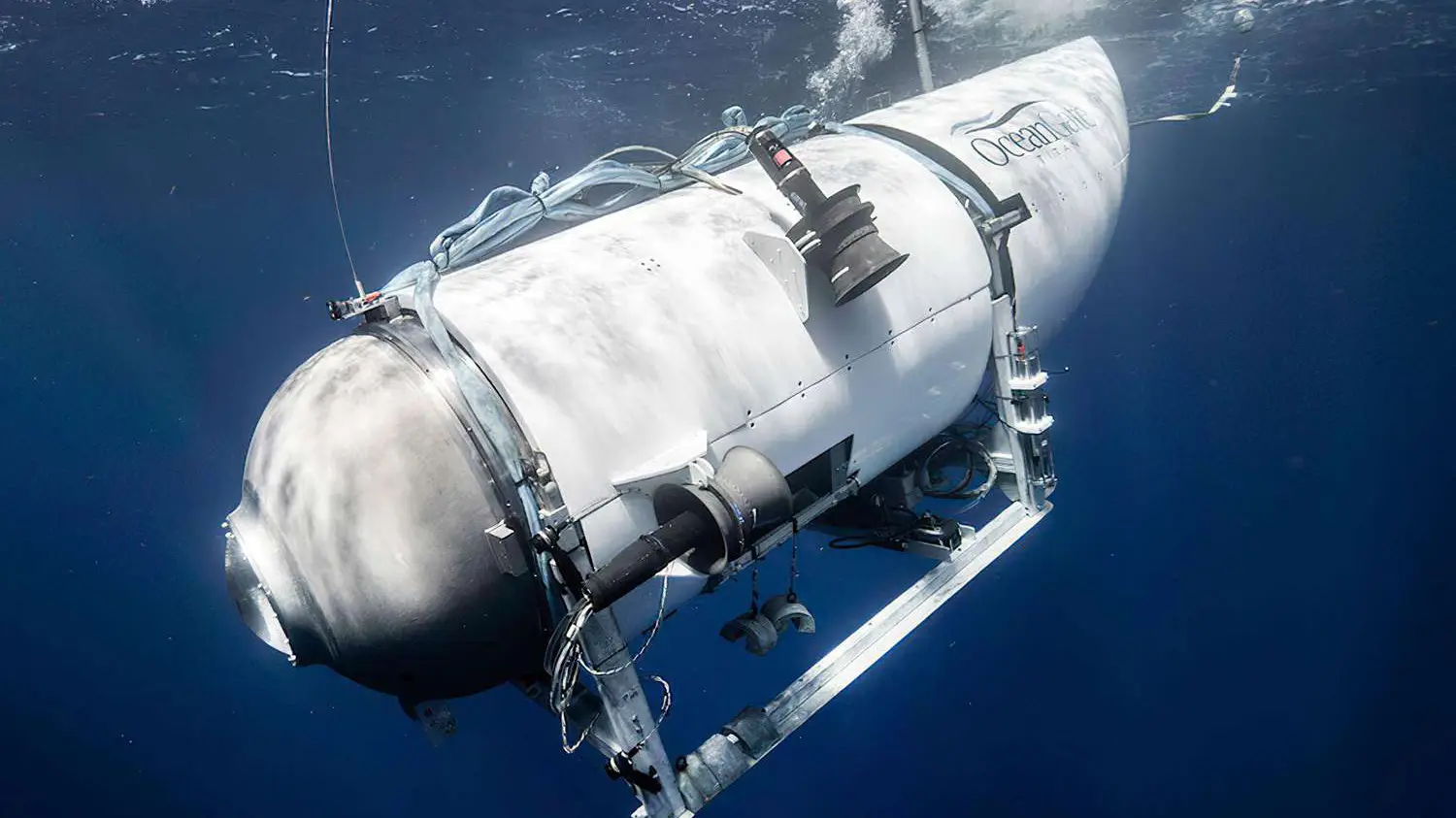
Shahzada and Suleman were two of the five passengers on board OceanGate's Titan submersible when it imploaded during an excursion to the Titanic wreckage in the North Atlantic Ocean, killing everyone instantly.
Alongside the Dawoods were French ex-Navy commander Paul-Henri Nargeolet, British businessman Hamish Harding and OceanGate CEO Stockton Rush, who'd been in charge of the excursion.
Advert
During the interview, Christine revealed that her loved ones had been reduced to 'slush' during the implosion and returned to her in shoebox-like containers.

"We didn’t get the bodies for nine months,” she explained, adding: "Well, when I say bodies, I mean the slush that was left. They came in two small boxes, like shoeboxes."
Christine's comments will have certainly conjured some particularly morbid images in the mind, but what does she mean exactly?
The unsettling phrase has since been unpacked by Lauren the Mortician, a US-based funeral director who creates educational content around death.
The science behind the term 'slush'
Hearing human remains described as slush is understandably uncomfortable for us, however Lauren has explained that the phrase is used as a descriptor and isn't an entirely accurate reflection of the remains recovered.
"People are picturing a body… and that is not what this is," she said. "When we’re talking about something like the Titan submersible implosion, we are talking about an environment that the human body is not built to withstand."
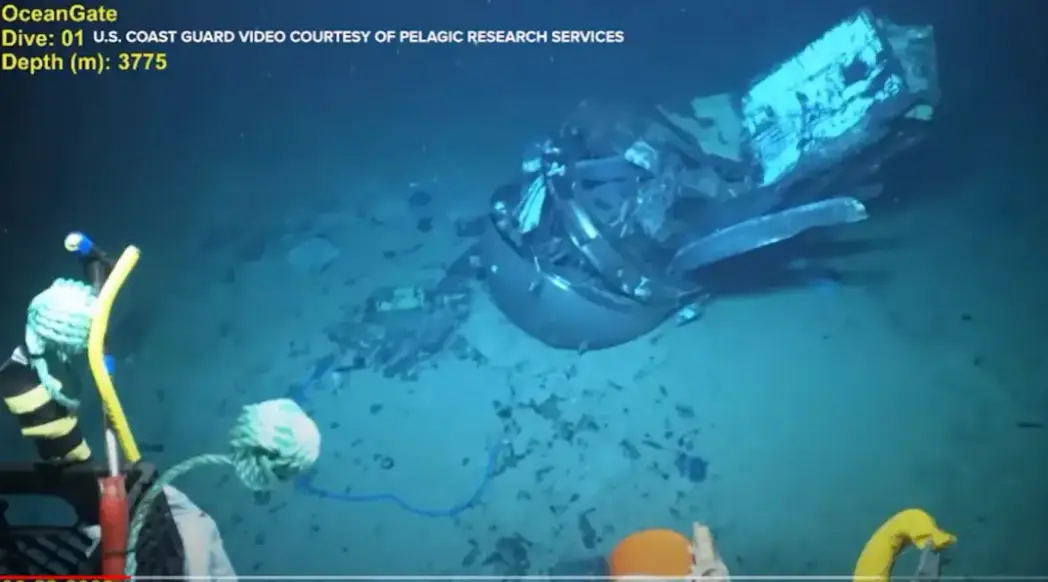
Lauren went on to explain that the 'extreme pressure' and 'structural failure' from the implosion of the submarine means the body doesn't stay intact but instead becomes 'fragmented'.
At this point, recovery then shifts from finding bodies to locating 'organic material' and 'anything that could be human'.
"That’s how you end up with something that gets described as ‘slush’," she added.
"Not because it’s something simple or clean, but because it’s blended, broken down, and no longer separate in the way we expect a body to be."
Lauren also explained that environmental factors will influence the decomposition of remains, noting that families of 9/11 victims and an Air France crash in 2009 received their loved ones' remains in a similar manner.
"So when you hear descriptions like ‘slush in a shoebox’, as unsettling as that is, it fits the reality of what happens in these environments," she added.
"It was organic, waterlogged material that had been completely altered by extreme pressure and environment."
Topics: World News, Science, Titan Submersible, Ocean
 Brenna Cooper