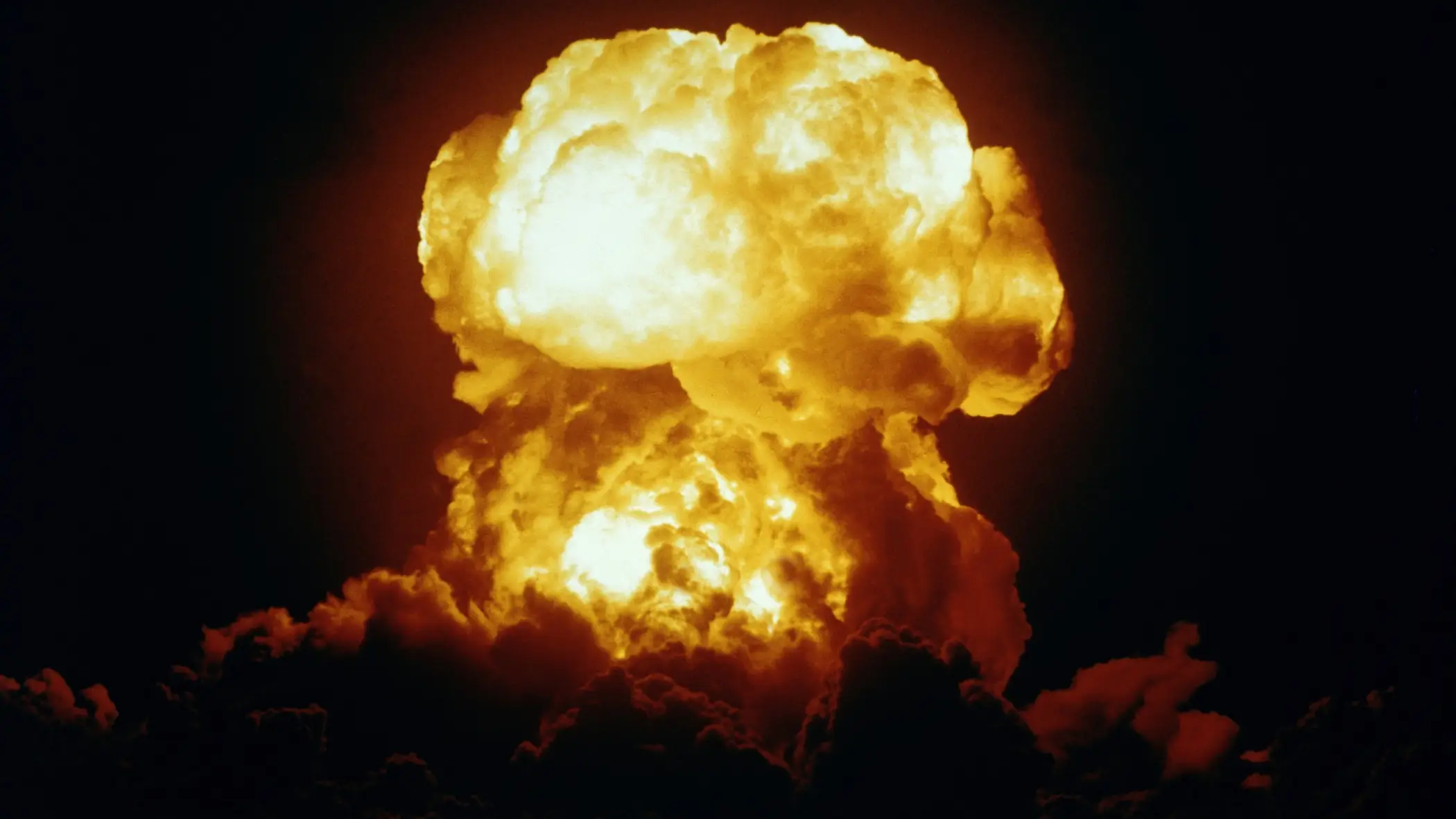
Safest place to be in your home in nuclear attack as UK Government issue crucial three step advice

With geopolitical tensions at perhaps their highest point in decades, the threat of nuclear war is one that is hanging over all of us.
Since the US and Israel launched strikes on Iran at the end of February, the world has been on tenterhooks as more and more countries are drawn into the conflict, while Ukraine and Russia's war still rages on.
Donald Trump and Benjamin Netanyahu both insist that the strikes were to rid Iran of its nuclear programme, although there are just nine countries around the world that are said to have access to the terrifying weapons, which would cause massive destruction wherever they are used.
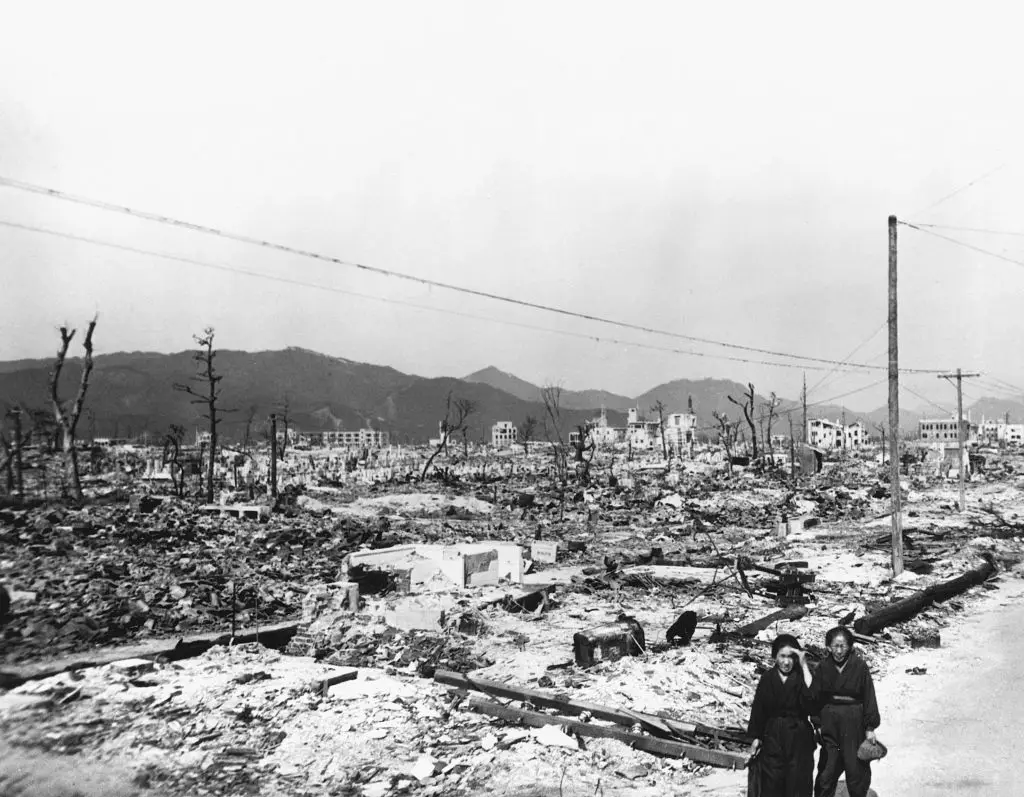
Russia, the United States, China, France, the United Kingdom, Pakistan, India, Israel, and North Korea are the countries which are known to possess nuclear arsenals, and considering some of the erratic leaders in charge of those countries, it's no surprise that so many people are worried about the potential for their use, even after the horrific consequences of the bombing of Nagasaki and Hiroshima by the US at the end of World War Two.
Advert
Naturally, as global leaders continue to be at each other's throats, the general public are seeking reassurance and advice about what to do in the event of a nuclear bomb hitting the UK.
The government has some clear advice and urges people to follow the steps of going home and staying inside with doors and windows shut until you are told that is safe to leave.
The UK government's radiation emergency guidelines state: "The most important thing to do if you are told you are near a radiation emergency is go indoors as soon as you can and stay there. Close the doors and windows and stay as far away from external walls as possible.
"Staying indoors reduces your exposure to any radiation outside. You will be given advice on what to do next. Turn off all fans and air conditioning and close all external doors, windows and vents where possible. You will be given advice on what to do next. You may need to stay indoors for one to two days.
"Monitor the news and follow official UK advice on GOV.UK for what to do next. Any changes to advice will be communicated to you via official sources - this may be via the radio, television, internet, social media or the police."
The International Commission on Radiological Protection explains that during the Hiroshima nuclear blast in 1945, Eizo Nomura was 170 metres from ground zero, sheltering in the basement of a building. He survived and went on to live until the age of 84, dying in 1982.
So though it might sound like there's absolutely nothing you can do in the case of a nuclear attack, getting inside and preferably underground can help your chances of survival.
How much warning would we get of a nuclear strike in the UK?
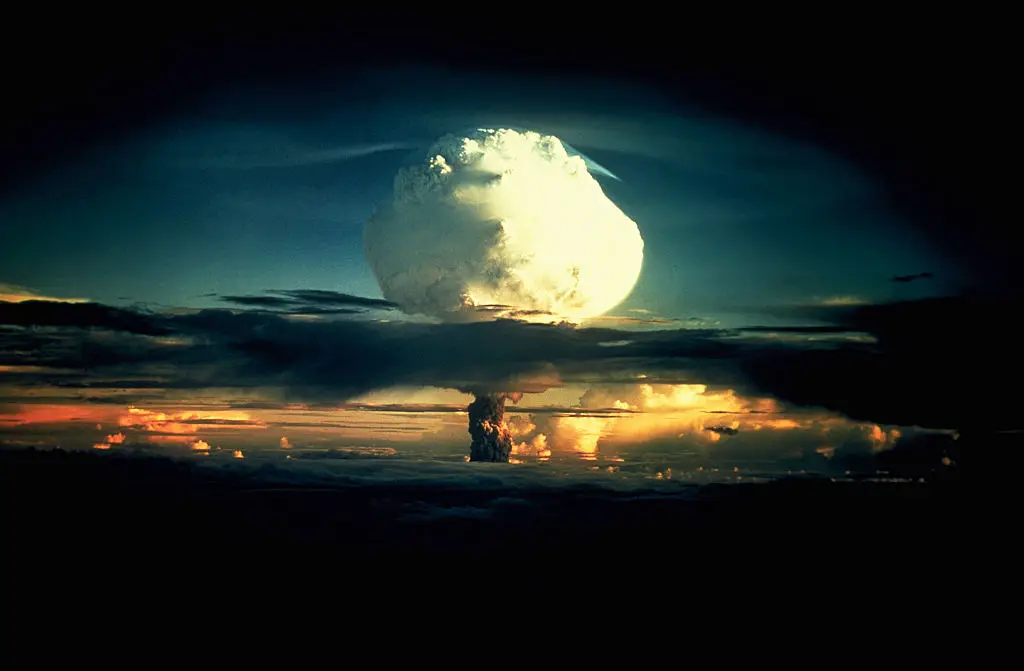
In the UK, your first warning that a nuclear strike was imminent would likely be an Emergency Alert on your phone - remember when everyone's phones made a high-pitched 10-second shriek during the test last year?
But we might not have enough notice to save ourselves.
Professor Andrew Futter, a senior University of Leicester academic and leading nuclear weapons expert, told MyLondon back in 2024 we would have about 15 minutes warning to prepare for a nuclear strike.
He said: "It wouldn’t give us time to do anything. Government officials might be OK, there is a bunker under Whitehall and some places VIPs can hide."
Great.
 James Moorhouse