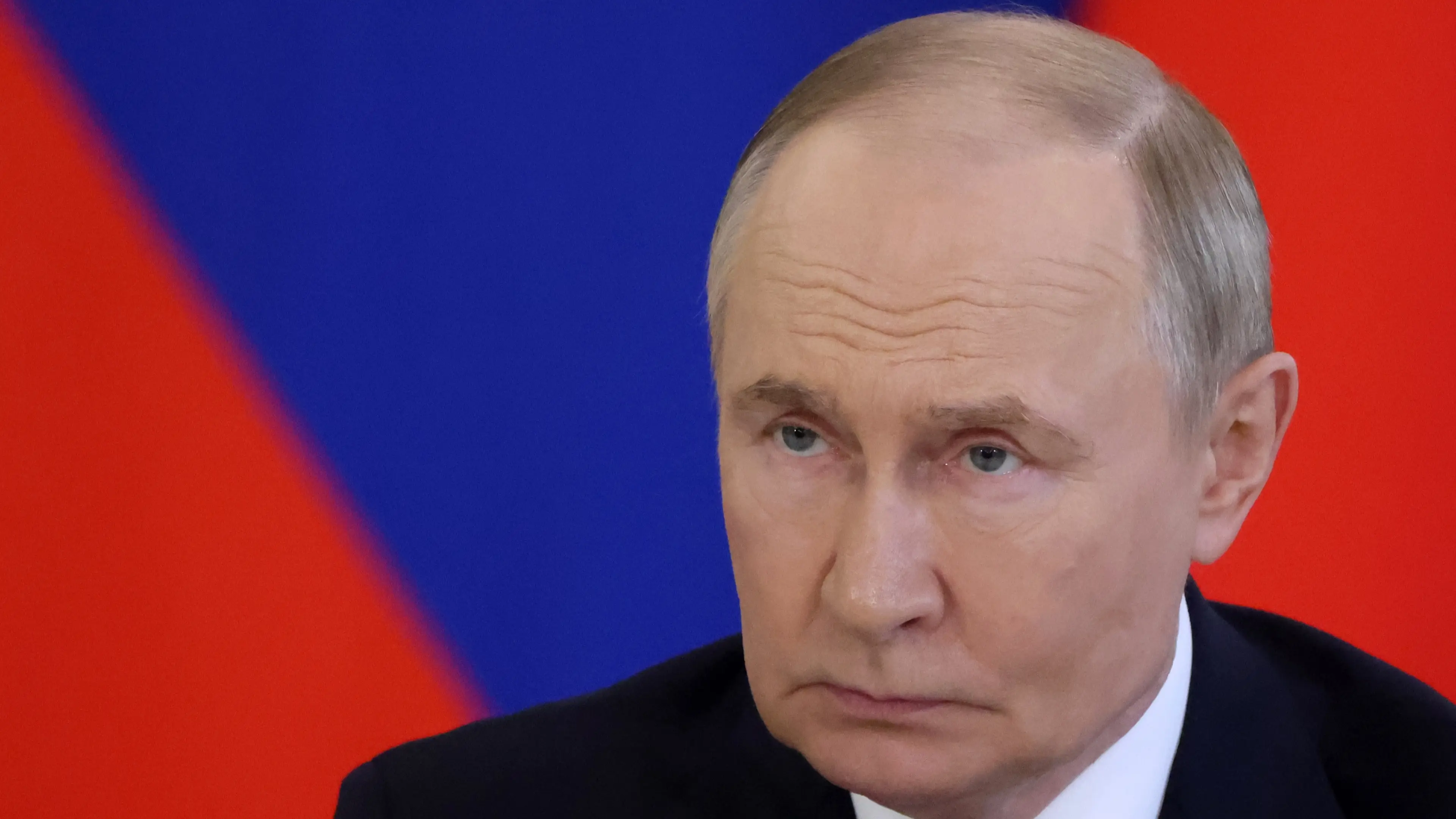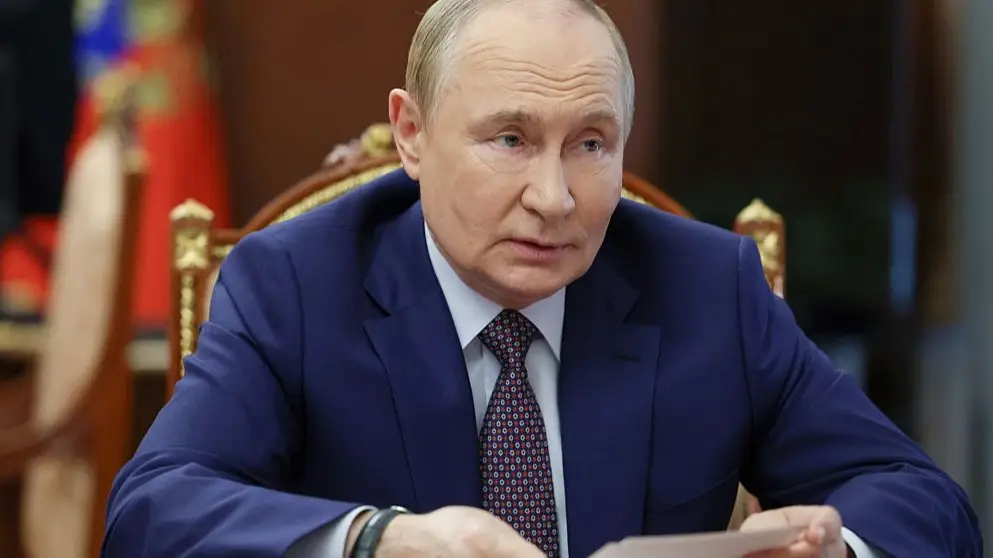
What’s inside Putin’s ‘nuclear briefcase’ as it makes rare appearance at summit in China

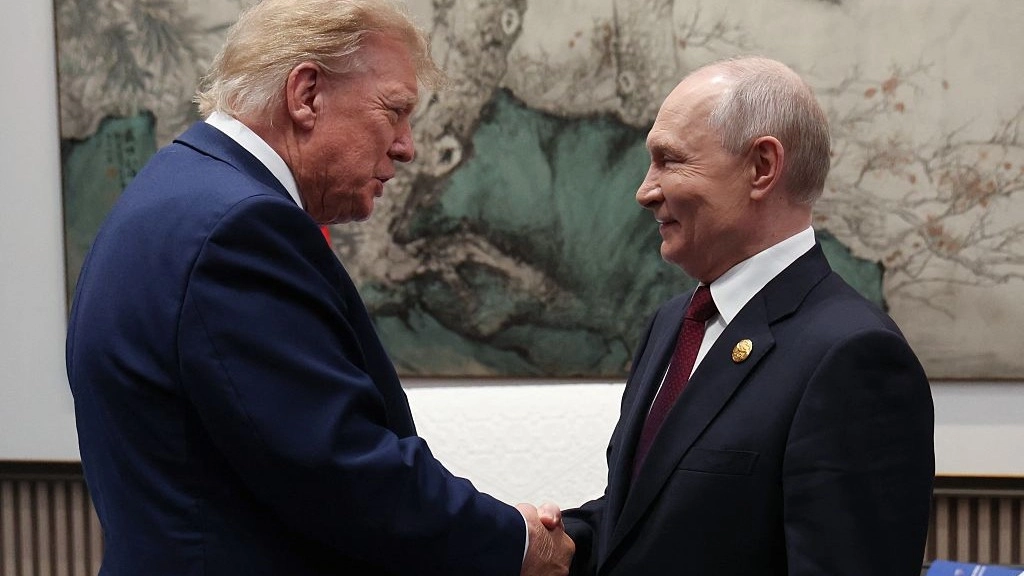
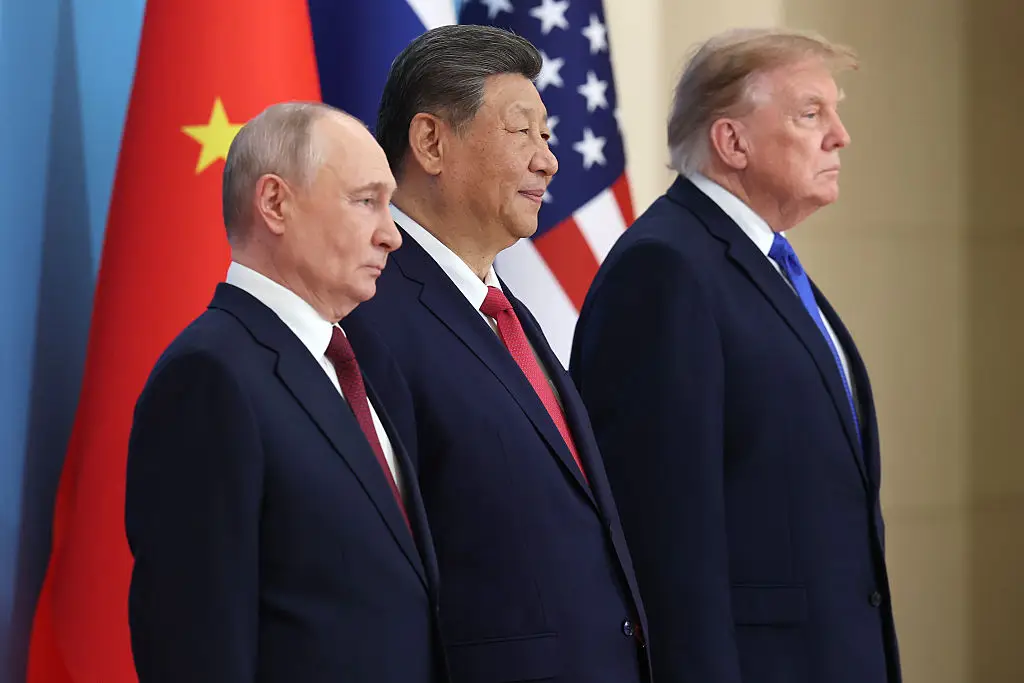
What exactly is inside Vladimir Putin's 'nuclear briefcase' was unveiled as he met with presidents Donald Trump and Xi Jinping at the first-ever trilateral summit in Shenzhen.
The three leaders sat around a table together for the first time on Thursday (19 November) to talk about reducing nuclear risks and resolving conflicts, although did not agree any major breakthroughs.
The last nuclear arms pact between Russia and the United States, known as New Start, expired in February, and Mr Trump has said he wants 'a new, improved and modernised' deal that includes China.
Advert
The whole world was watching as the trio offered smiles and friendly handshakes, ending talks at a villa in the southern Chinese city of Shenzhen by agreeing on points including UN reforms and a vow to get more fuel to the market.
But Vladimir Putin’s special black briefcase, thought to carry access to nuclear weapons, did make a rare appearance in Shenzhen.
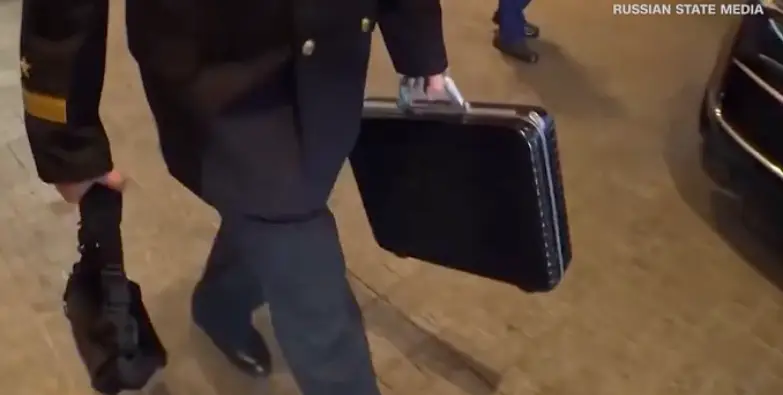
On Russian state television, a camera zoomed in on a naval officer travelling with Putin, as the reporter told viewers: "This is the nuclear briefcase."
It's understood this carries the Russian president’s direct access to his country’s nuclear arsenal which is also known as the Cheget.
US President Donald Trump also owns a similar bag, which is known as the 'nuclear football', the contents of which are to be used by the him to authorize a nuclear attack while away from fixed command centres.
What is in the 'nuclear briefcase'?
According to reports, the mysterious briefcase actually holds secure command-and-control communications gear that lets authorised leaders send nuclear strike orders to military command.
It does not however hold an actual nuclear weapon or a 'launch button' so to speak.
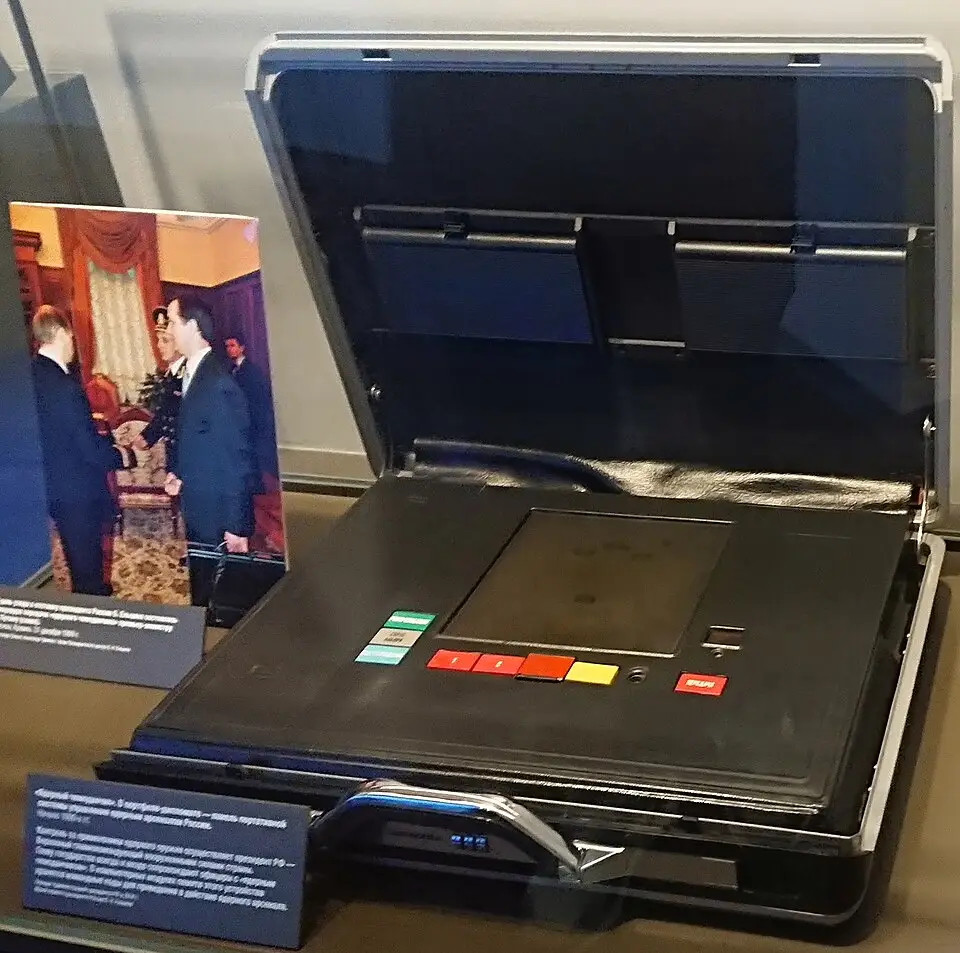
Photos reveal how it is a specially-made briefcase that connects directly to the military command system should a leader decide to order a nuclear attack.
In 2015, the Yeltsin Center in Yekaterinburg put the briefcase used by Boris Yeltsin, the first post-Soviet President in Russia, on display for members of the public to see.
The Russian Cheget system emerged during the Cold War, when leaders faced the realisation of having to make decisions about nuclear strikes.
The Cheget was developed during Yuri Andropov's administration in the early 1980s and was put into service as Mikhail Gorbachev took office as General Secretary of the Communist Party of the Soviet Union in March 1985.
Russia actually has three of the nuclear briefcases, and are available to the Russian head of state, Minister of Defence and the head of the General Staff.
It transmits an order to use nuclear weapons, but does not directly launch them.
According to Russia’s nuclear doctrine the Cheget communicates through Russia’s command-and-control network, which supports a separate communications system called 'Kavkaz'.
Topics: World News, Russia, Vladimir Putin
 James Holt