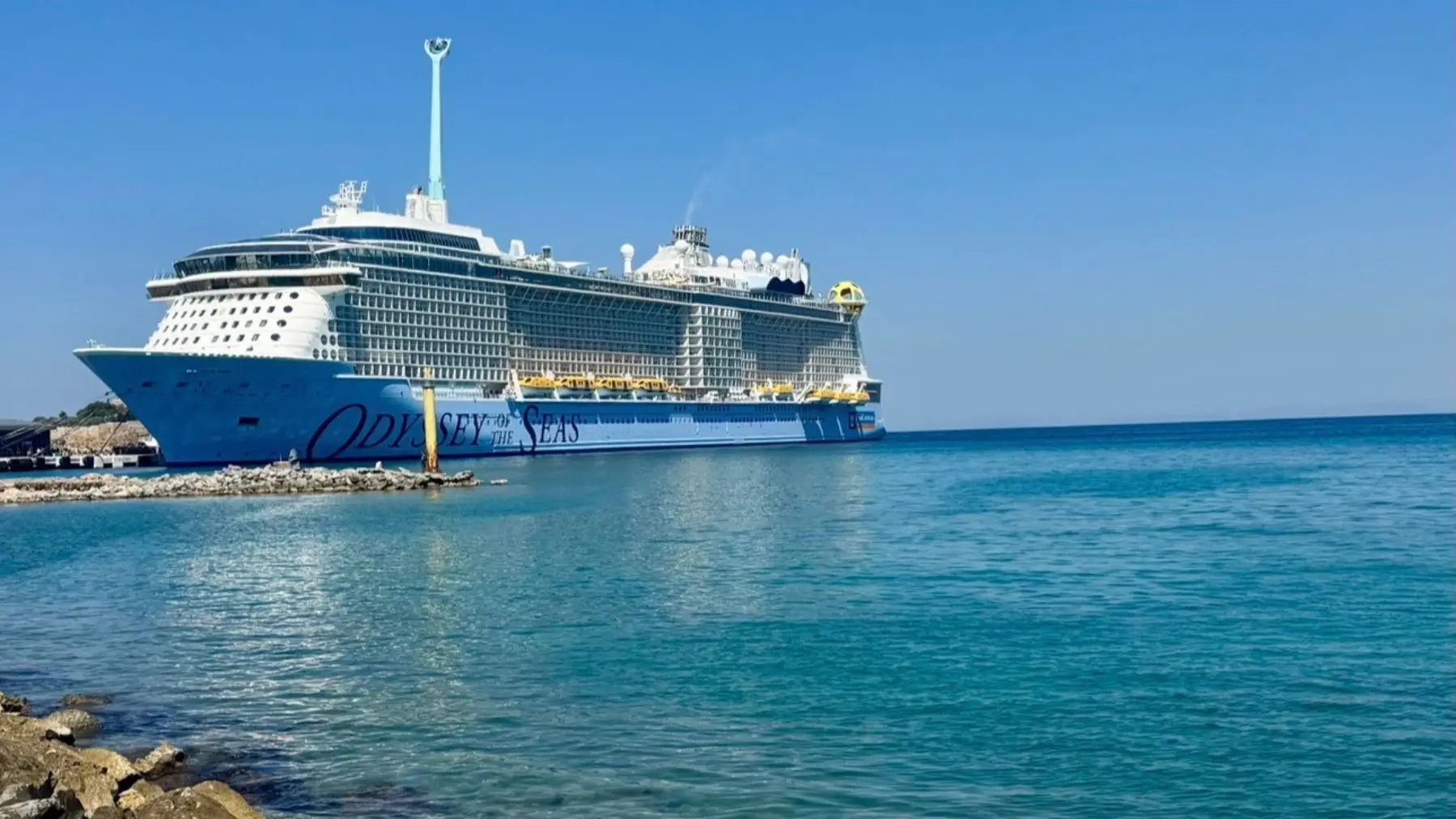
The 'hidden cost' on cruises nobody warns you about that adds 20% more on your bill

Cruises can be a great way to visit multiple countries in one trip without constantly packing and unpacking your suitcase.
But there’s one extra charge that can catch out British holidaymakers when they step onboard for the first time.
While your fare might cover your cabin, meals and entertainment, some cruise lines automatically add daily gratuities to your onboard account and the extra cost can add hundreds to your final bill.
I’ve been on five cruises with Royal Caribbean across Europe and America, and it’s one of the biggest differences I’ve noticed between US and UK cruise operators.
Advert
If you’ve only ever sailed with British-owned cruise liners, you might not even realise the charge exists.
However, it’s incredibly common on American-owned cruise lines, where gratuities are added separately from the advertised holiday price.
Gratuities are an extra charge
On Royal Caribbean, guests staying in a standard stateroom are currently charged $18.50 per person, per day in gratuities.
That might not sound like much at first, but it quickly adds up.
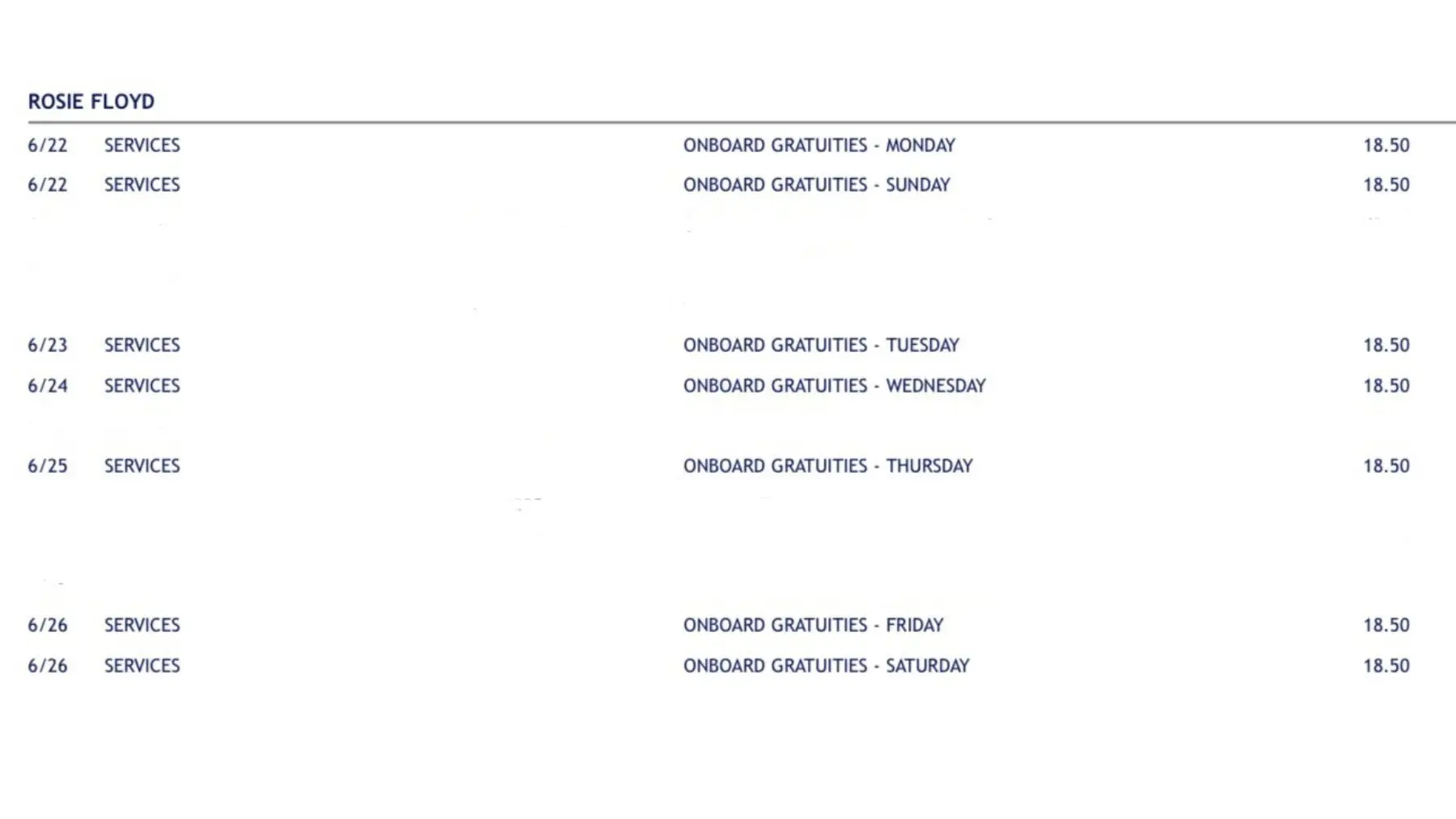
For a couple on a seven-night cruise, that’s $259 added to the overall cost of the holiday before they’ve spent a penny on drinks, excursions or onboard extras.
For families travelling together, the total can be significantly higher.
The money isn’t simply pocketed by the cruise line, though.
According to Royal Caribbean, the daily gratuity charge goes towards the crew members who help make your holiday run smoothly, including room attendants, dining staff, hotel services teams and others working behind the scenes to enhance the overall guest experience.
In principle, I don't have a problem with that.
The crew work incredibly hard, often spending months away from home while helping thousands of passengers enjoy their holidays.
What surprised me when I first started cruising, though, was how different the system is compared to what most British travellers are used to.
The difference between US & UK cruise lines
Cruise lines such as P&O Cruises often include gratuities within the overall holiday price, meaning what you see when you book is much closer to what you'll actually pay.
In reality, you're still contributing towards staff tips either way.
The difference is simply when you hand over the money.
With many UK cruise lines, the cost is built into the fare upfront.
With some American cruise operators, the charge appears separately and accumulates on your onboard account throughout the sailing.
The way I think about it is that you're paying the same fee regardless.
You're either paying it before you travel when it's included in the holiday price, or you're paying it at the end of the trip using your spending money.
But if you don't know it's coming, it can still come as a surprise when you check your account towards the end of the cruise.
There's also another aspect of cruise tipping culture that I've noticed on American-owned ships.

Tipping culture on cruise ships
On Royal Caribbean cruises, guests are often left an envelope in their cabin on the final day of the sailing. The idea is that passengers can leave an additional tip for a crew member or team who provided exceptional service during the trip.
It's completely optional, but plenty of people choose to do it.
On my most recent cruise around Greece, Turkey and Italy, I noticed something else that highlighted the difference between British and American passengers.
A lot of Americans were carrying dollar bills around the ship and handing them directly to bartenders and servers throughout the cruise.
As a Brit, it's not something I'm particularly used to seeing.
But it reflects the wider difference between UK and US tipping culture.
In America, tipping is a much bigger part of everyday life. Whether you're in a restaurant, bar, hotel or taxi, customers are generally expected to leave a tip for good service. In many cases, hospitality workers rely on those tips as an important part of their overall income.
In the UK, the attitude tends to be quite different.
Most people will happily tip when they've received exceptional service, but it's generally viewed as a reward for somebody going above and beyond rather than something that's automatically expected every time.
That's why cruise gratuities can feel unusual to British passengers, particularly those stepping onboard an American cruise line for the first time.
The charge isn't necessarily hidden, and cruise lines do make passengers aware of it during the booking process.
It’s definitely one of those costs that many first-time cruisers don't fully appreciate until they see it appearing on their onboard account each day.
READ MORE: Cruise fans are losing it over genius magnetic hack that solves cabin's biggest problem
Is it worth it?
The extra sum at the end surprised me when I first started cruising, but it's also something I've become accustomed to the more I've travelled with Royal Caribbean.
The reality is that the service onboard is often second to none.
Crew members work incredibly hard and consistently go above and beyond to make sure passengers have the best possible holiday.
In the US, tipping culture is far more ingrained and gratuities often form an important part of hospitality workers' earnings. Personally, I don’t think passengers should be responsible for subsidising wages in that way.
That said, I'm more than happy to pay gratuities when I think about the people they're going to.
The crew members who made sure my cabin was immaculate throughout the trip, the servers who appeared almost instantly whenever my glass was empty, and the dining staff who delivered a top-class experience every evening all played a part in making the holiday what it was.
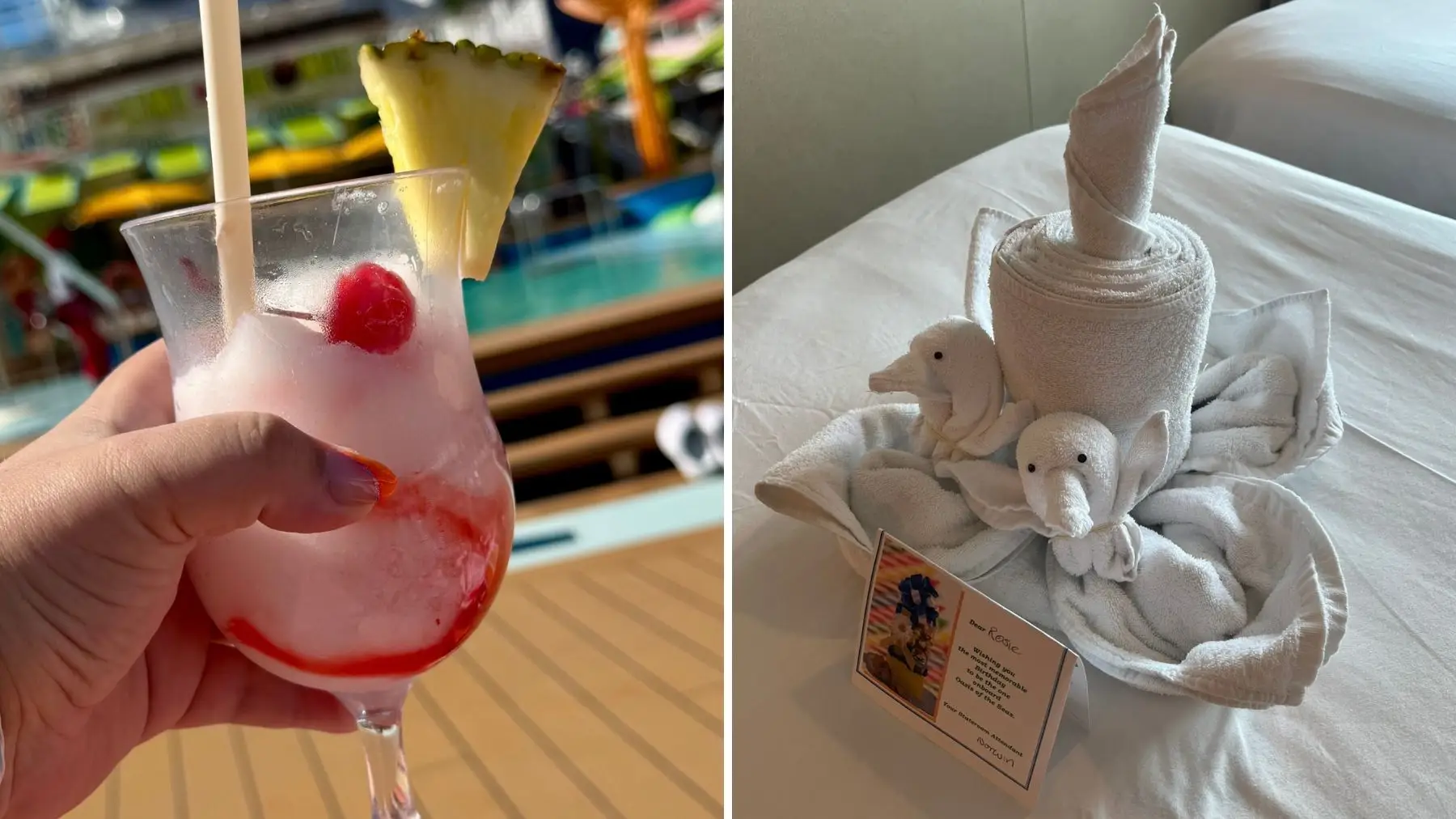
While the extra charge can come as a surprise for first-time cruisers, it's one that feels a lot easier to understand once you've experienced the level of service for yourself.
If you're planning a cruise, it's worth factoring gratuities into your budget before you travel.
Otherwise, what looked like the final price when you booked could end up being around 20% higher by the time you step off the ship.
Recommended products for first time cruisers
If you haven’t cruised before, it can be hard to know what to expect. As someone who has been cruising for over 15 years, I’d like to think I’ve perfected exactly what to take to make cruise travel that little bit easier.
Here are some of my must-packs:
TESSAN UK to US Plug Adaptor, 2 Pack
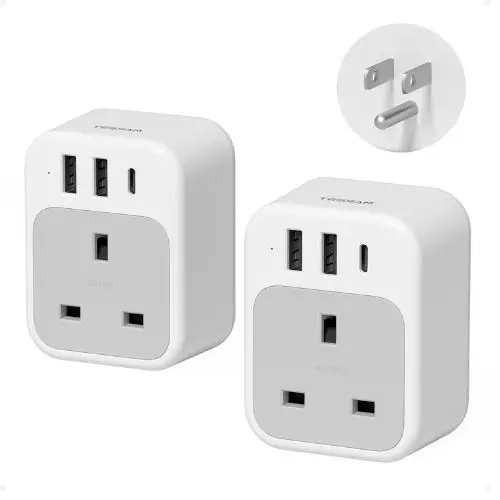
If you’re going on a US cruise liner, even sailing from the UK or around Europe, there will be US plug sockets in your cabin, so pack plenty of travel adaptors.
I like these ones with USB and USB-C slots, so I can easily charge my iPhone and kindle.
SHOP NOW: £19.17 on Amazon
Teskyer 8 Pcs Cruise Luggage Tag Holder
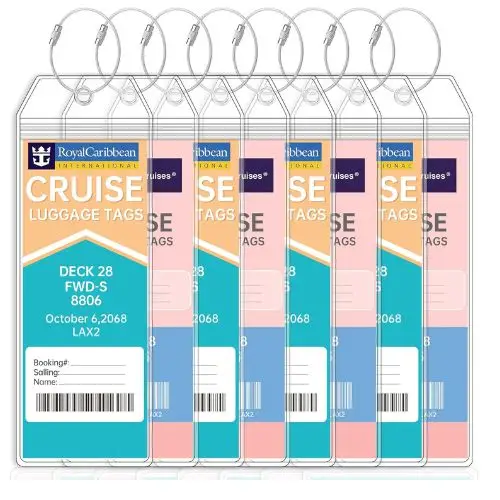
The nice thing about cruises is that you don’t have to heave your heavy luggage up to your cabin by yourself, as it gets taken to outside your room for you. Great news if you’re an overpacker like me.
You get asked to staple or tape a luggage tag around your suitcase handle so the porter know where to take it before boarding, but if you’ve flown to meet your cruise ship, you won’t have these to hand.
With these tag holders, you simply slot your tag inside and screw it around your suitcase. Not only more practical but durable, too.
SHOP NOW: £5.99 on Amazon
Cuticura Original Hand Gel Crisp and Fresh Cream, 50 ml, Pack of 6
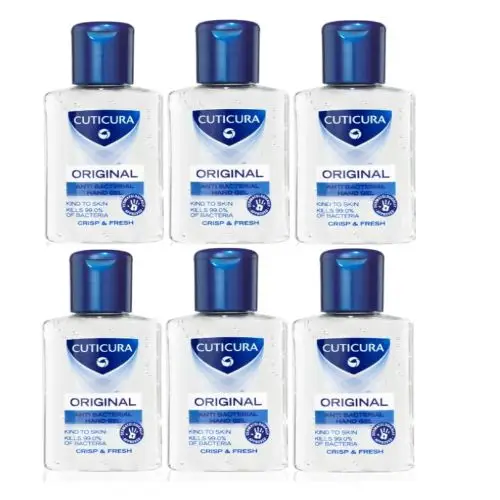
I maintain that cruise ships are among the cleanest places you could ever stay. On cruises I’ve been on, there’s hand sanitiser everywhere and some dining places even have a sink outside to wash your hands.
You then miss that level of cleanliness when you’re out and about exploring on port days. That’s why I always carry around a bottle of handy sanitiser. You never know when you might need it.
SHOP NOW: £8.69 on Amazon
M&S Stain Removing Wipes
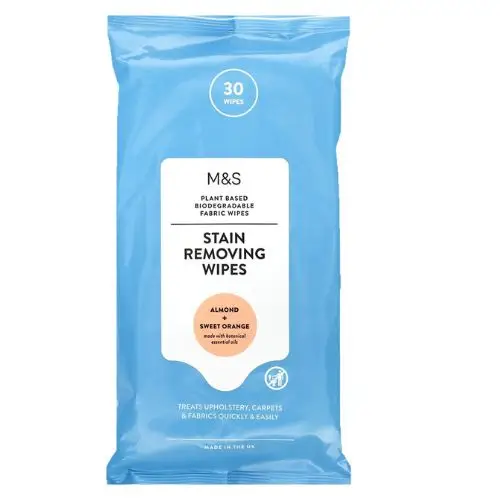
I think everyone should carry the M&S stain removing wipes everywhere, not just when they cruise. They’re a lifesaver for anyone who’s prone to spilling food and drinks on their outfits (guilty!)
A little scrub with these and those annoying marks just disappear.
SHOP NOW: £1.25 on Ocado
Topics: Travel, Cruise Ship, Royal Caribbean
 Rosie Floyd