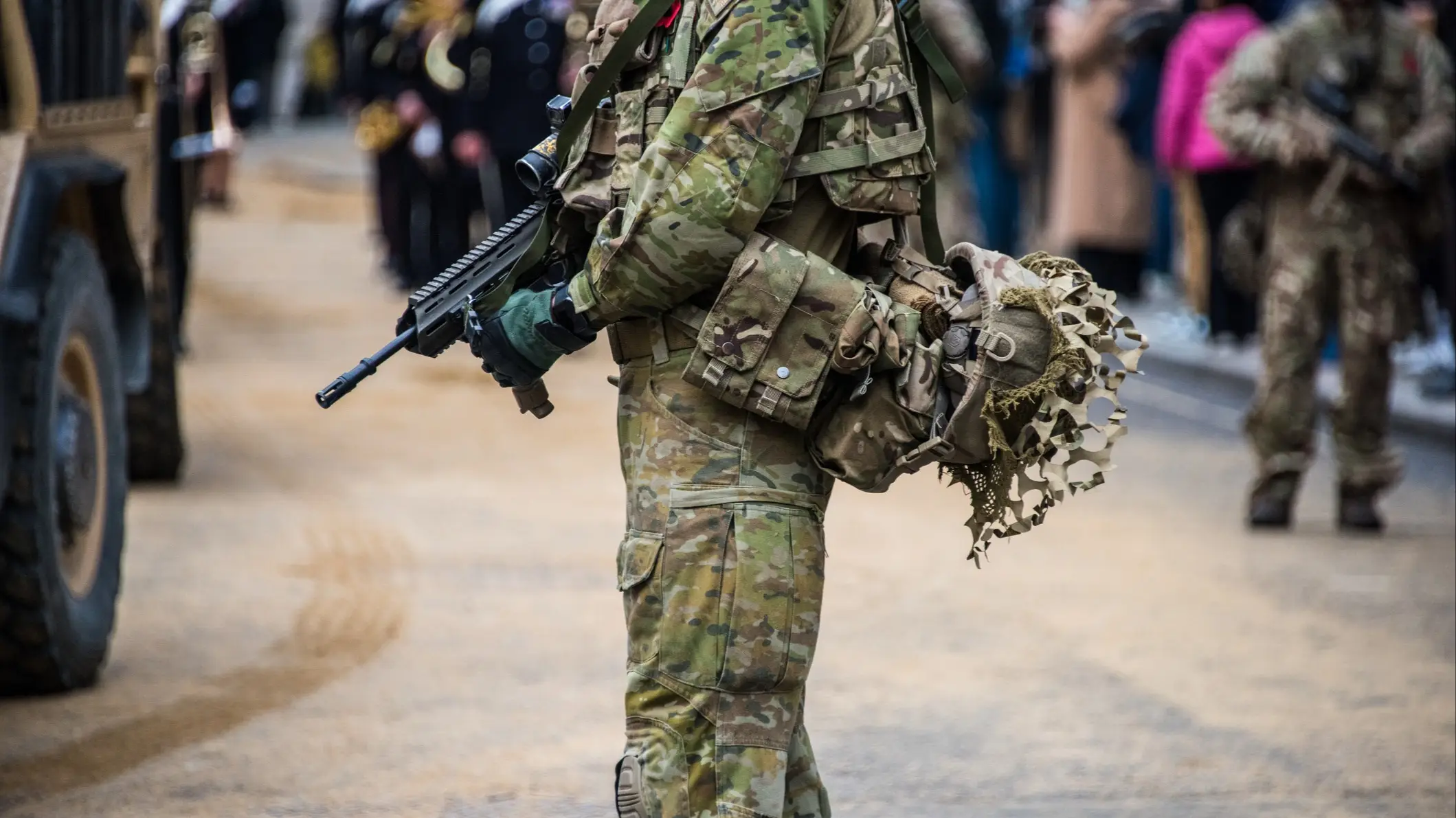
Five groups most likely to be conscripted as UK launches new 'gap year' Armed Forces scheme

With tensions rising internationally, we’ve all become a bit sick of hearing the words ‘World War III’ getting banded about.
And it’s not exactly been a calm start to the year with the US launching a ‘large-scale attack’ in the first few days, capturing a president, and Donald Trump saying the country will be ‘running’ Venezuela.
While the UK hasn’t been involved in this, there are still ongoing conflicts globally that add to the ramp-up in war fears. This has then escalated to worries of conscription being reintroduced, even though Keir Starmer has said it’s not being talked about or proposed.
But while the Armed Forces launches a ‘gap year’ scheme, there are certain groups who would arguably be most likely to be called up should the situation ever arise, with others safe
Advert
‘Gap year’ with the Armed Forces
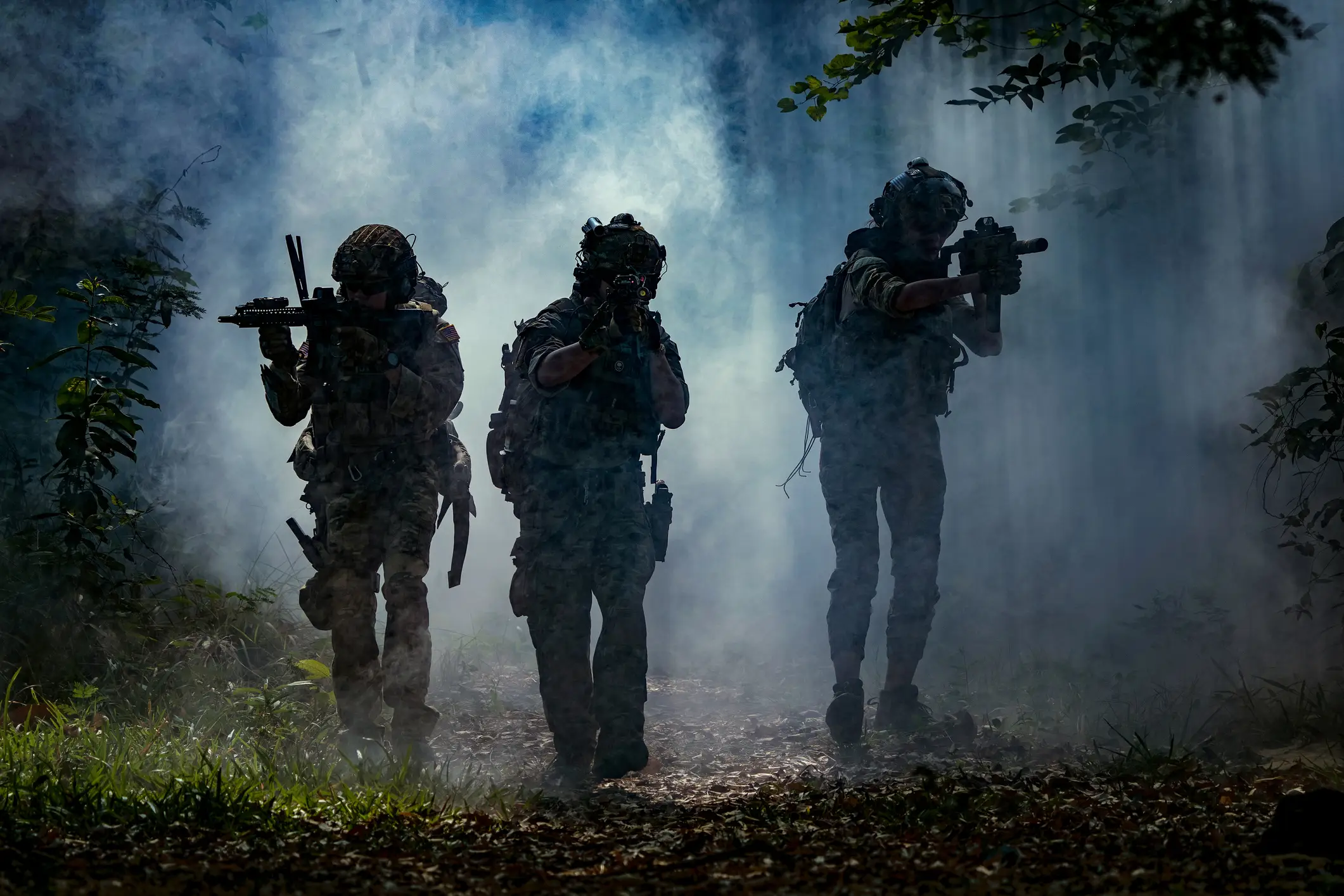
Set to launch in March, the Foundation Scheme gives those under 25 the chance to have an experience of military service.
From early 2026, recruitment will open for the first wave of around 150 participants.
These young people will be able to have a year of paid experience and training across the Army, Royal Navy and Royal Air Force. Ministers aim to eventually grow it to over 1,000 young people – subject to interest, of course.
Defence Secretary John Healey said: “This is a new era for Defence, and that means opening up new opportunities for young people to experience and learn from our Armed Forces.
“This gap year scheme will give Britain’s young people a taste of the incredible skills and training on offer across the Army, Royal Navy and RAF. It’s part of our determination to reconnect society with our forces, and drive a whole of society approach to our nation’s defence.”
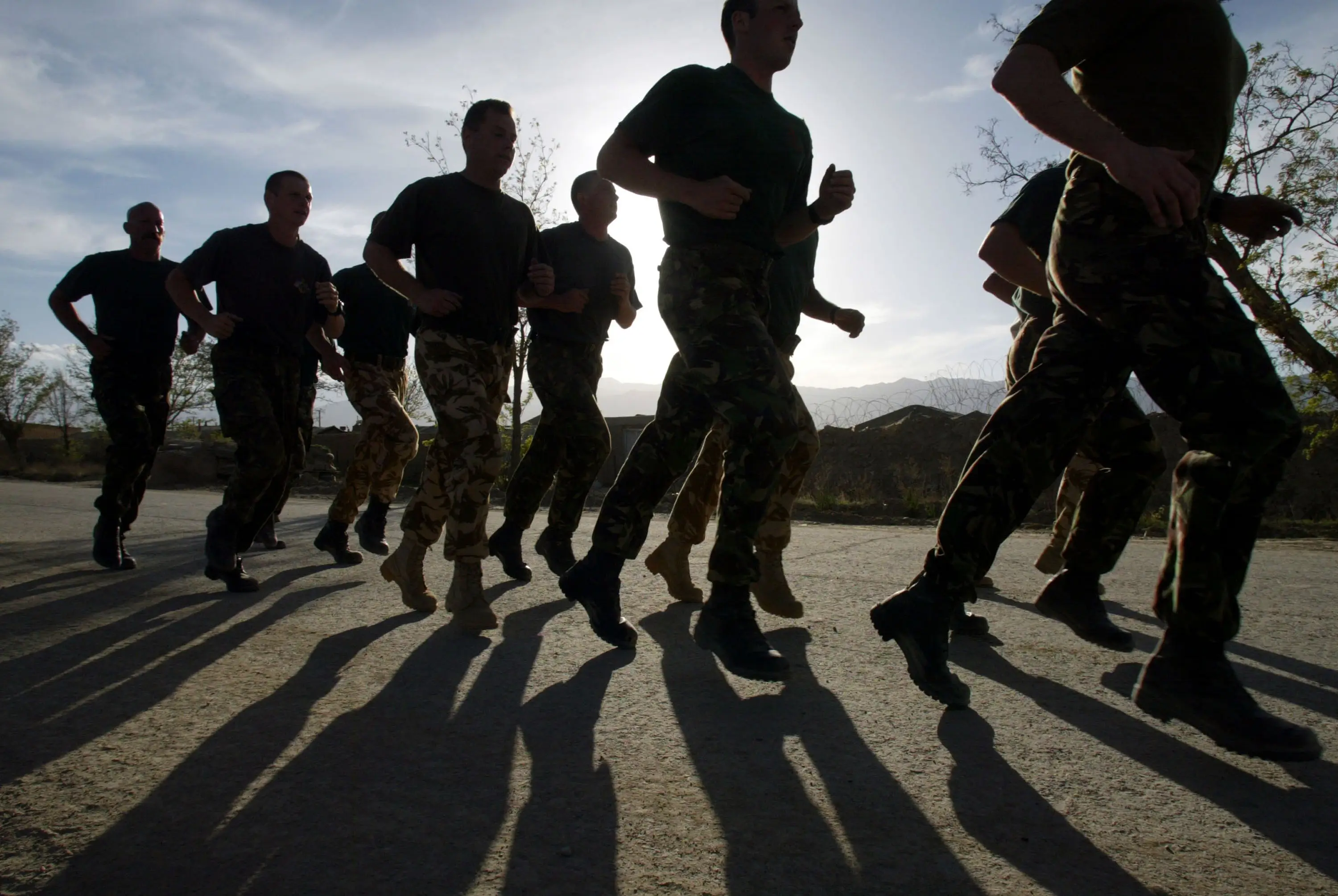
The five groups ‘most likely’ to be conscripted
Now, again, the UK government has said there are no plans for any form of conscription, and Starmer told the News Agents podcast last year that such a proposal has ‘never crossed my lips’.
But people are still fearing it and are nervous about what may happen if international tensions continue to increase.
Single people without kids
Going off history and what seems most likely, eligible people without families could expect to be called up.
It was previously (we’re obviously talking about over 90 years ago) done so those without kids went up first to try and avoid a load of children being left at home without their parents.
Reservists and ex-soldiers
Even if you’ve left your Armed Forces days behind you, it’s likely you’d be called back.
And especially those reservists, as well as anyone who did National Service, as it’s obviously a preferred pick to get those who actually have some experience in there.
Young, fit men
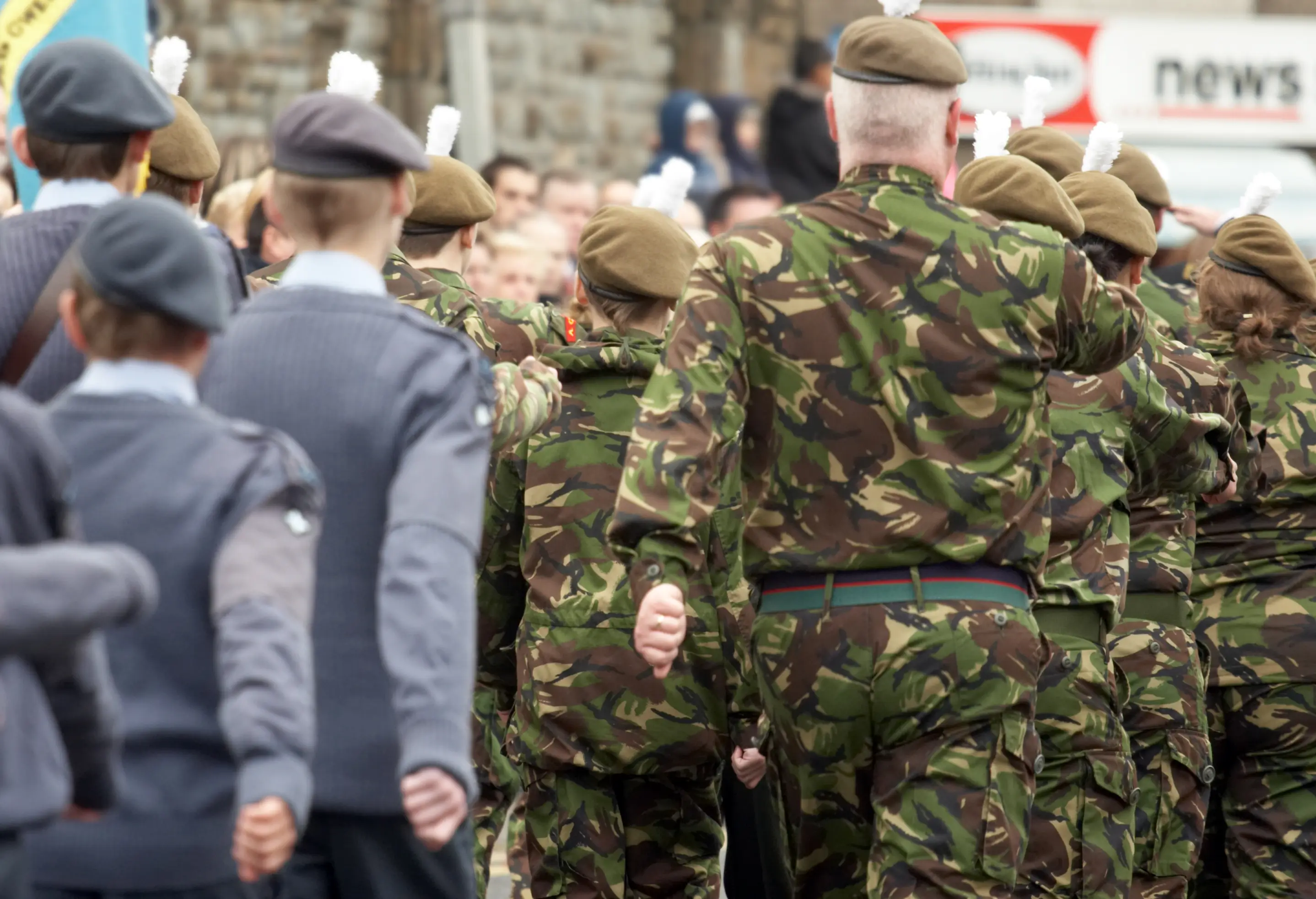
Well, this one is hardly a shock, is it? It takes one look back to the World Wars to know that young lads between the ages of 18 and 25 are the preference.
In the early days of it, single blokes aged 20 to 22 were the first choice, and as the fighting kicked off, it soon became all men from 18 to 41. Those young looks wouldn’t be your friend in this instance.
Women
But one thing that’s certainly changed is how women are viewed (at least in this case, to some degree, anyway).
The UK has never officially conscripted women for direct combat, and it was only partway through the Second World War that they were drafted into work related to the war.
And while it’s debatable whether women would actually be conscripted and put on the frontline nowadays, it’s far more likely that they will find themselves involved in some way.
‘Older’ ages
It’s not just young people who would be picked out, either. Conscription previously went right up to men aged 51, and those older than that were often given some form of role.
So, it’s likely it would be similar nowadays too if people who aren’t so ‘young’ qualify.
 Jess Battison