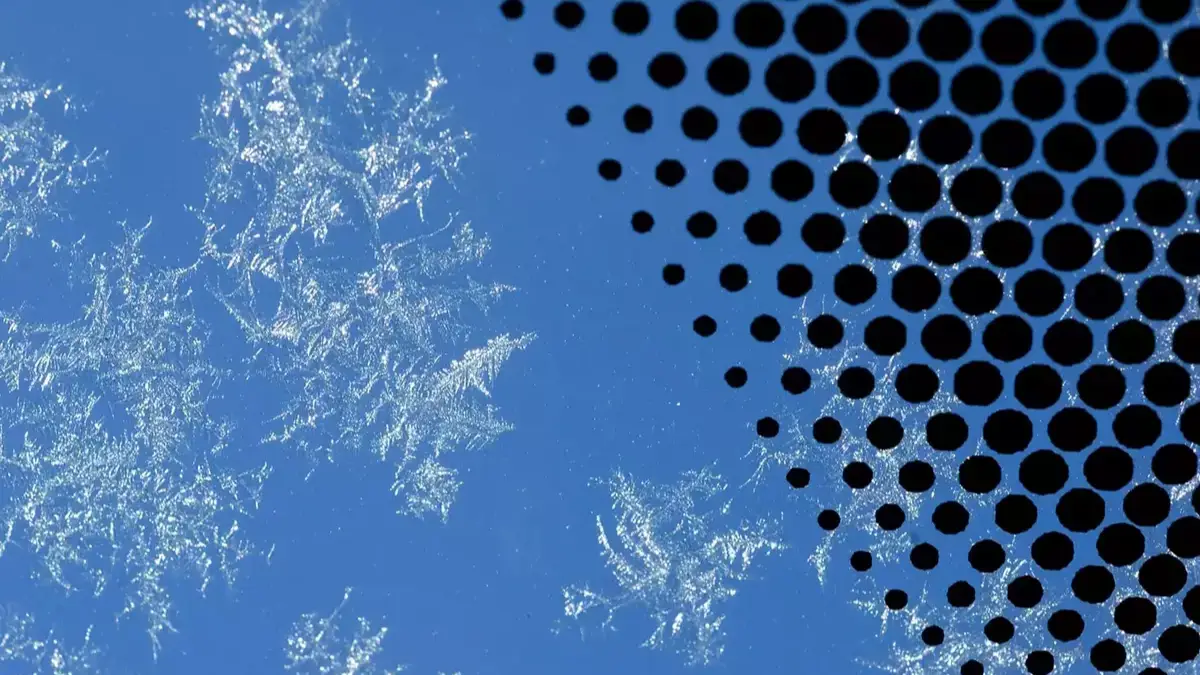
People are just discovering true meaning behind black dots on car and train windows

Have you ever looked at your car windscreen and wondered, 'What on Earth are those black dots for?'
Chances are you've never even noticed them while driving down the road, but if you have, then you're in the right place. Our cars are filled with dozens of gadgets which make driving easier.
From the strange circle on our dashboards to the default traction control system and the mystery of the air filtration system, automobile manufacturers spend hours making sure your car is not only comfortable but also safe, which brings us back to those peculiar black dots.
Upon first glance, these dots that border car windscreens and train windows appear to do little more than appear decorative, but it turns out they're actually something called window frits, or sometimes ‘dot matrices', and they are pretty damn useful.
Advert
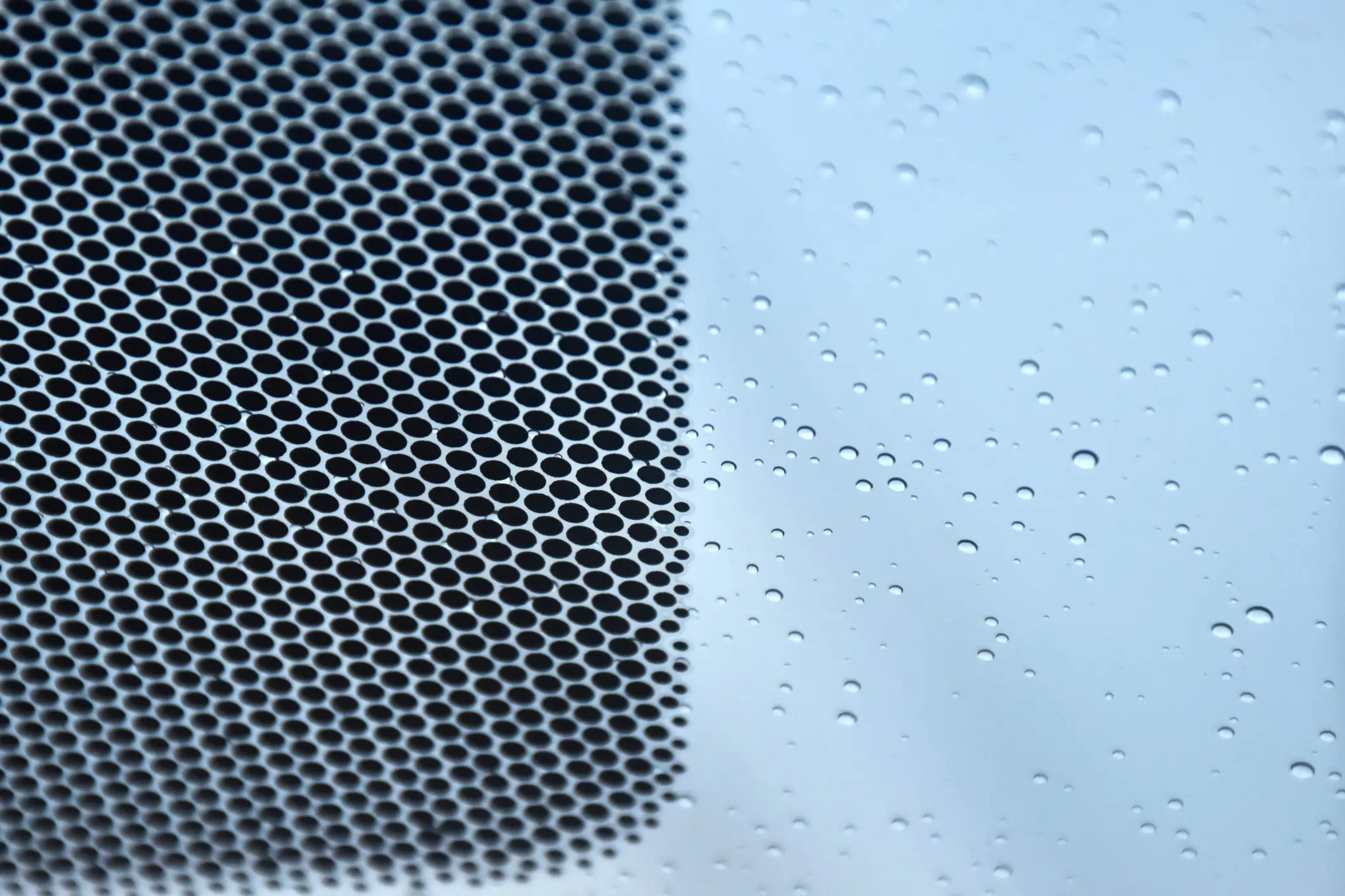
Frits are created from ceramic paint, which is baked onto a car windscreen, and they serve several purposes. The first thing frits do is help to distribute temperature evenly across a glass screen and preventing optical illusions.
Now this may not sound like much, but if one part of the windscreen heats up much quicker than the rest, it can lead to the road ahead appearing curved inwards – which limits your ability to drive safely.
This also explains why the frits are painted onto the windscreen in a 'gradually sinking' pattern, decreasing in size as they move further away from the edge of the windshield (per Autoglaze).
The even distribution of heat also works to prevent cracks from forming in the glass.
So this explains the inclusion of frits on car windscreens and rear windows – so why are they included in passenger windows on some types of public transport, such as trains or trams?
Well, this is because frits have several useful functions.
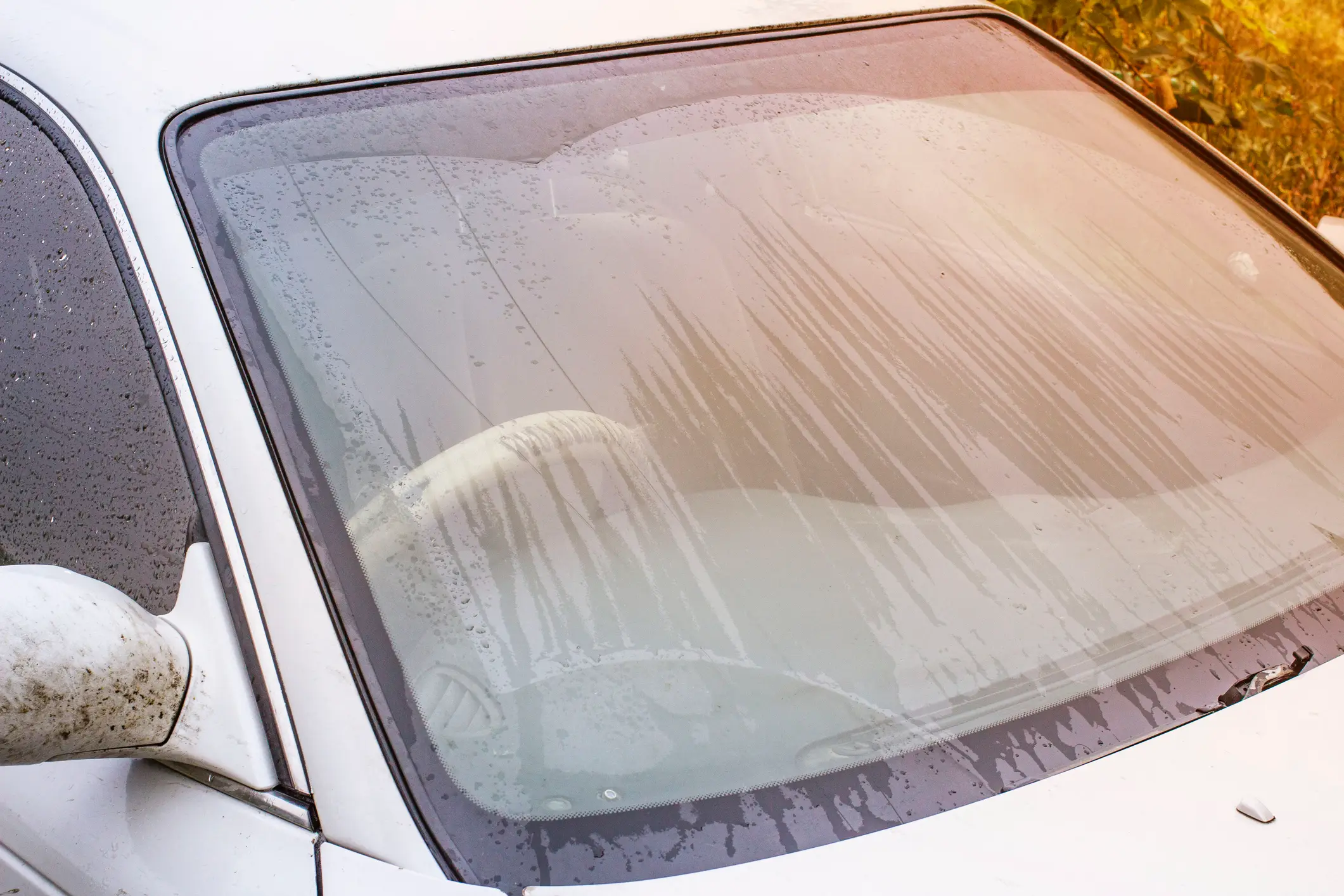
As the ceramic dots are baked onto the windscreen, they serve as a 'contact point' that allows the glass to adhere more firmly to the car frame. They also help preserve the urethane sealant from prolonged UV exposure.
These dots also serve an aesthetic purpose, as the gradual change from the black frit band to the glass windscreen appears much less obvious to our eyes.
"Frits are also there for aesthetic purposes. If you look closely, the contrast between the dark band and the transparent glass can look too obvious even when viewed from afar," the explainer from Autoglaze further adds.
"Creating a halftone pattern or dot-matrix allows a gradual decrease in size, making the transition much more subtle and easier on the eyes."
Which explains why most of us may have never noticed or even thought twice about window frits.
And people on social media were just as surprised, with one person writing on X: "Always wondered about that."
A second described it as 'brilliant and simple', while someone else said: "I am stunned at the amount that I have learned about frit today."
The more you know.
 Brenna Cooper