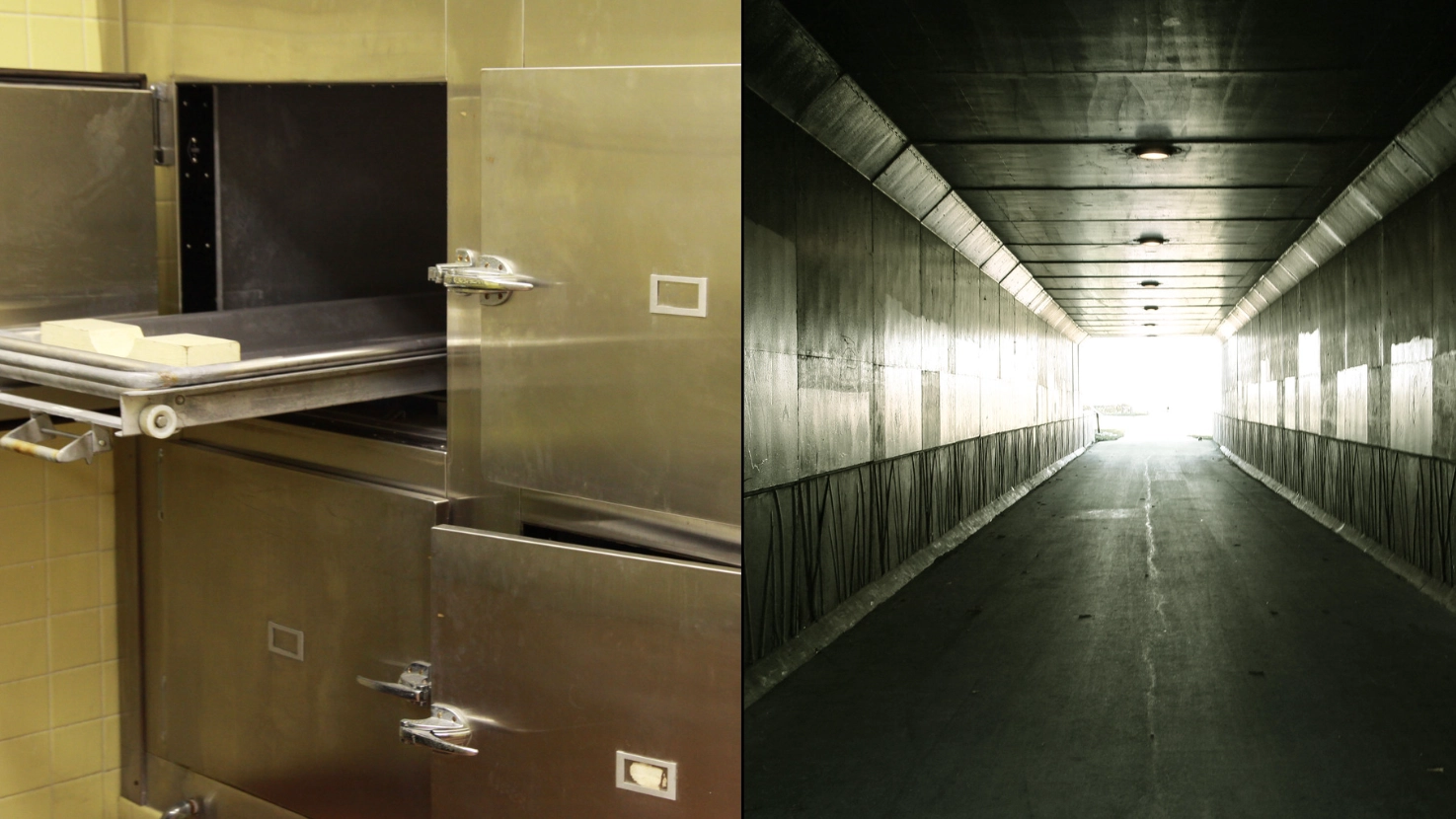
Doctor Who Has Witnessed Hundreds Die Explains How It Feels For Person Passing Away

It’s one of life’s greatest mysteries - what happens when we die?
Although science is yet to figure this out, a palliative care doctor who’s witnessed hundreds of people pass away has drawn on his experience to describe what the dying process looks like.
Answering a reader question on the subject for The Conversation, Seamus Coyle, honorary senior clinical lecturer at the University of Liverpool, said: “As an expert on palliative care, I think there is a process to dying that happens two weeks before we pass.
“During this time, people tend to become less well. They typically struggle to walk and become sleepier - managing to stay awake for shorter and shorter periods.
Advert
“Towards the last days of life, the ability to swallow tablets or consume food and drinks eludes them.
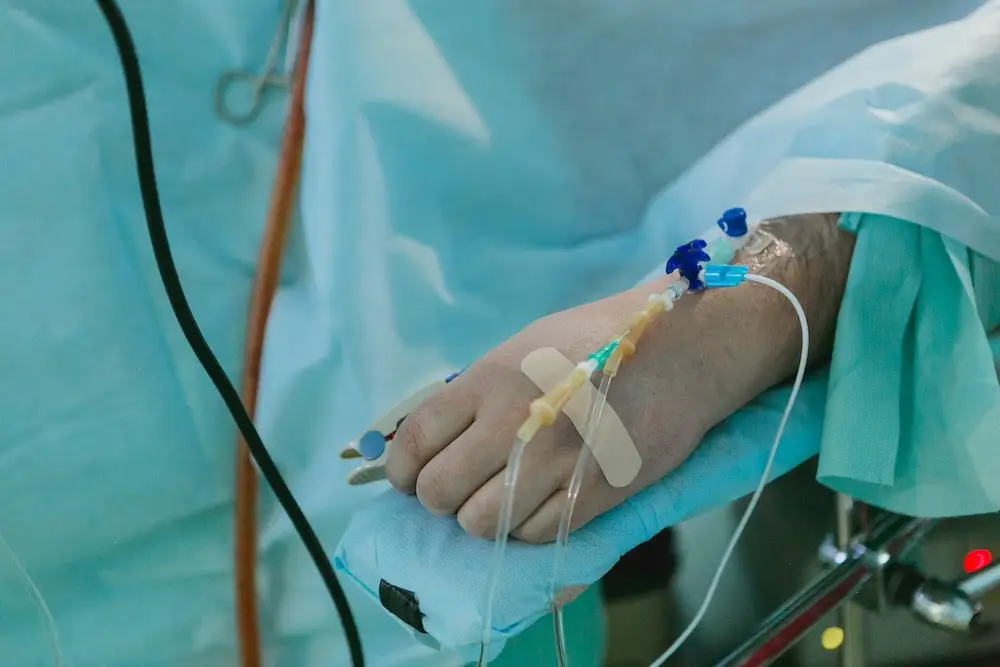
“It is around this time that we say people are ‘actively dying’, and we usually think this means they have two to three days to live.”
That being said, some people go through this process in just a day, while others continue on for nearly a week, which Coyle said is often distressing for the families.
He explained the actual moment of death is trickier to decipher, adding: “But a yet unpublished study suggests that, as people get closer to death, there is an increase in the body’s stress chemicals.
“For people with cancer, and maybe others, too, inflammatory markers go up. These are the chemicals that increase when the body is fighting an infection.”
One detail he was asked about is whether the last moments of life could be euphoric, perhaps triggered by a flood of endorphins.
Although Coyle couldn’t give a definitive answer as it hasn’t yet been explored, he did point to a 2011 study that showed the levels of the happy hormone serotonin tripled in the brains of six rats as they passed away.
“We can’t rule out the possibility that something similar could happen in humans,” he said.
As for the bit we’re all concerned about - pain - the doctor explained: “In general, it seems like people’s pain declines during the dying process.
“We don’t know why that is - it could be related to endorphins. Again, no research has yet been done on this.”
During his time in palliative care, Coyle has witnessed the full spectrum of deaths, from people who are anxious right up to the end to those who accept their fate early on.
“Ultimately, every death is different - and you can’t predict who is going to have a peaceful death,” he said.
“I think some of those I have seen die didn’t benefit from a rush of feel-good chemicals.
“I can think of a number of younger people in my care, for example, who found it difficult to accept that they were dying. They had young families and never settled during the dying process.
“Those I have seen who may have had an ecstatic experience towards the end of their lives were generally those who somehow embraced death and were at peace with the inevitability of it.”
Topics: Health, Mental Health
 Daisy Phillipson