
Women are experiencing ‘coregasms’ in gym classes from specific exercises

The moans and groans you hear in the gym might not be from someone giving the class their all, according to experts.
Your fellow fitness fanatics might instead be experiencing something that's known as a 'coregasm', which is an exercise-induced orgasm (EIO).
Now, I know what you're thinking - working out leaves most people a sweaty shell of their well-groomed self that walked into the gym, so what on earth is erotic about that?
But according to Professor Debby Herbenick, exercising can lead to an explosive reaction for some people.
Advert
The sexual and reproductive health expert, who boasts more than 25 years of experience in her field, conducted some very interesting research on this phenomenon back in 2012.
Even though that was a fair bit of time ago, it turns out that 'coregasms' date back as far as the 1950s, which is when sexologist Alfred Kinsey first described them in his book Sexual Behaviour in the Human Female.
"Some boys and girls react to the point of orgasm when they climb a pole or a rope, or chin themselves on a bar or some other support,” Kinsey said. "Some of them engage in exercise with the deliberate intention of securing this sort of satisfaction."
All these years later, a host of gym bunnies are still at it - and experts have now managed to find out which specific workouts provide the best coregasm results.
Dr Herbenick carried out some research into coregasms 14 years ago on 124 women aged between 18 and 63.
She found that around 40 percent of the participants had experienced an EIO on one or more than 10 occasions.

About 20 percent of these also said they had zero control over the sudden climax, while most of the ladies said they weren't even thinking along sexual lines when it suddenly took hold.
The researcher then realised that certain exercises seemed to trigger coregasms more than others.
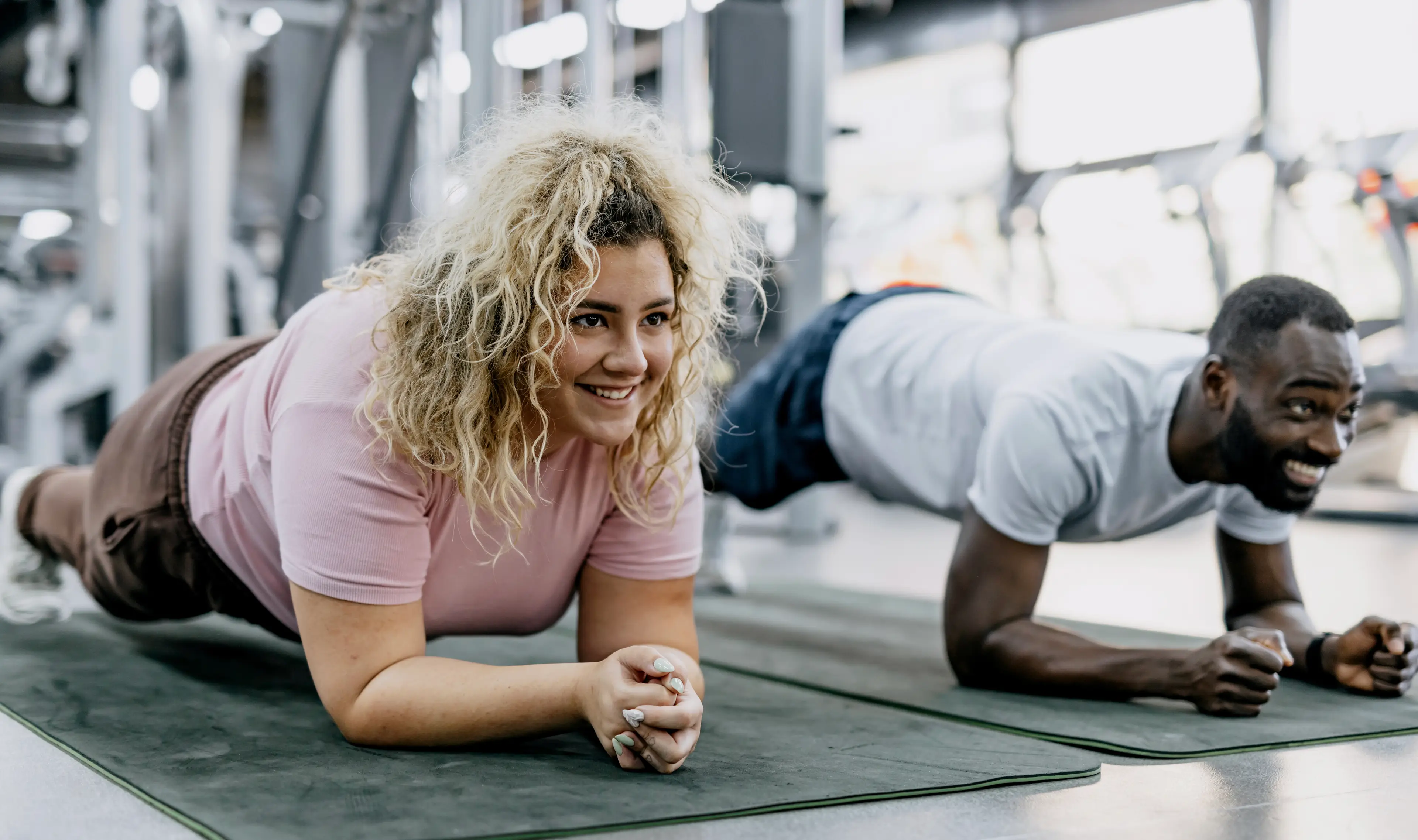
"The most common exercises associated with exercise-induced orgasm were abdominal exercises, climbing poles or ropes, biking/spinning and weightlifting," Herbenick said, according to Science Daily.
"These data are interesting because they suggest that orgasm is not necessarily a sexual event, and they may also teach us more about the bodily processes underlying women's experiences of orgasm."
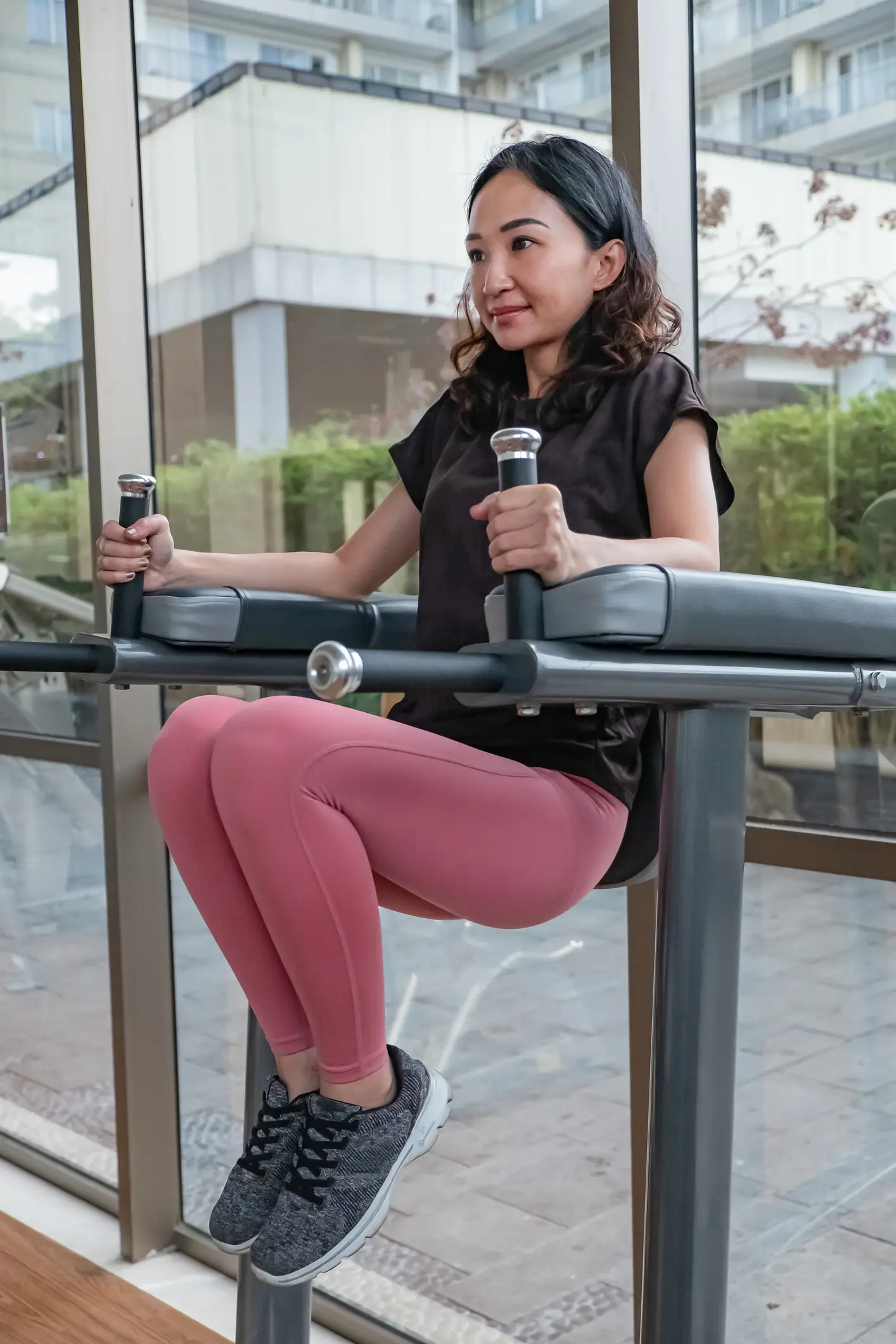
People who hopped on a gym contraption nicknamed the 'captains chair' also got struck by coregasms quite a lot, Professor Herbenick said, while yoga, cycling, running and hiking also apparently caused a lot of EIOs.
Explaining why this occurs, pelvic floor holistic health expert Jenni Russell previously told The Independent: "Coregasm is the technical term for an exercise-induced orgasm - where the blood flow within the lower abdomen, pelvic floor and inner thighs become ‘explosive’ enough to create a rush and release.
"It may also be when the muscles of the lower abdominal and pelvic floor become exhausted as their threshold is easily reached."
Russell said coregasms can be 'very common in athletes in competition' due to the 'adrenaline rush and the apparatus used', adding: "In general, they are common with women and men who are ‘in tune’ with their body."
Topics: Health, Lifestyle, Sex and Relationships, Science
 Olivia Burke