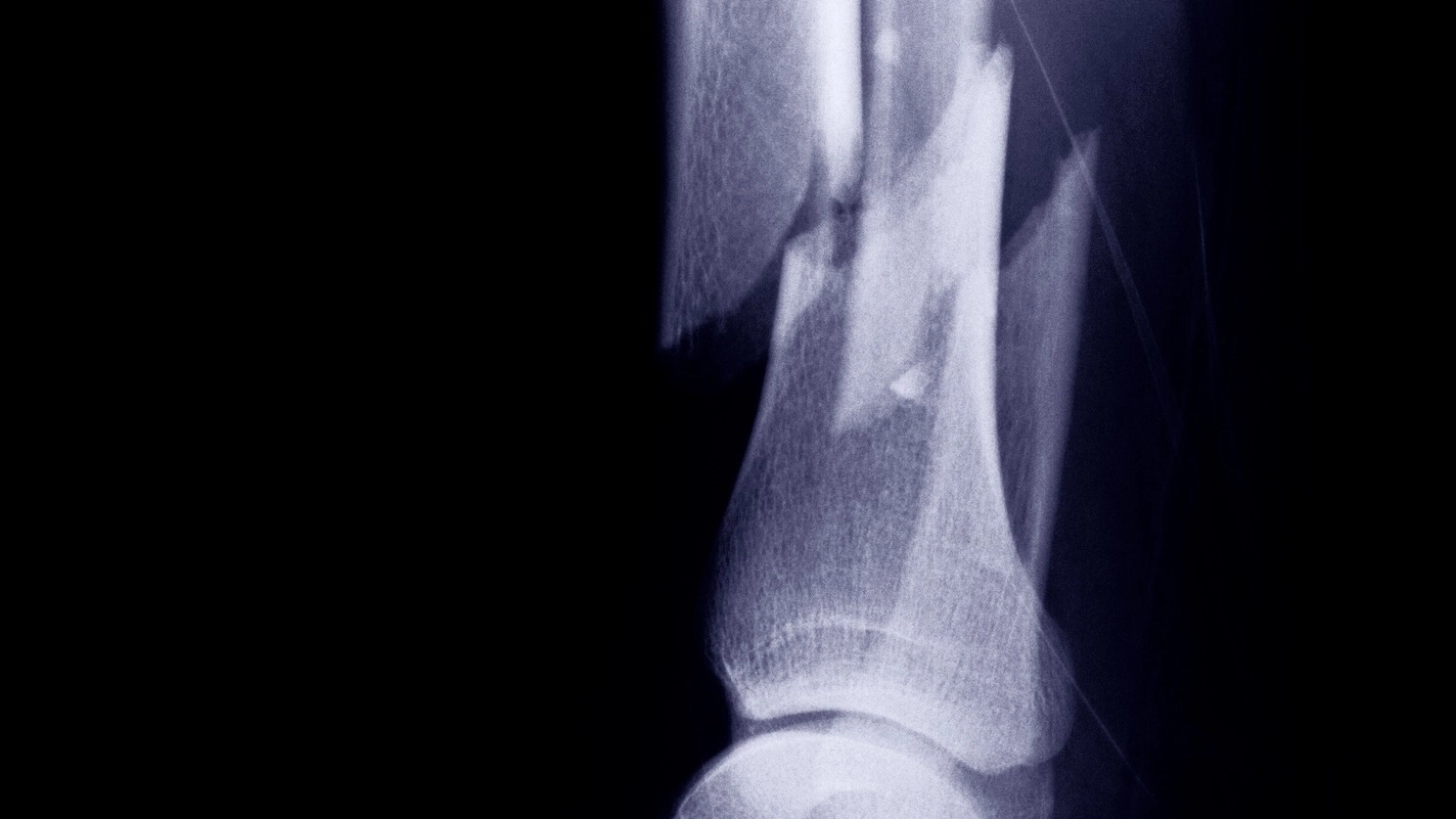
People most likely to break a bone following viral theory about anyone who hasn’t

The groups of people most likely to break a bone have been revealed by doctors, who have responded to the odd theory which was done the rounds online.
Growing up, you may have noticed that some of your classmates sported casts throughout the years, whether it be a broken arm from a fall or a broken leg while playing sports. On the other hand, you may never have worn a cast for a day in your life despite some near misses here and there.
Well, this has recently sparked a conspiracy theory about broken bones.
Some people online have started to believe that not breaking a bone meant there was a hidden 'divine' meaning behind it all, meaning they had spiritual protection or good karma. Those who suffered broken bones then, according to the viral theory, had the opposite, with the theory based around the idea of a higher power decision who does and doesn't have a cast in their lives.
Advert
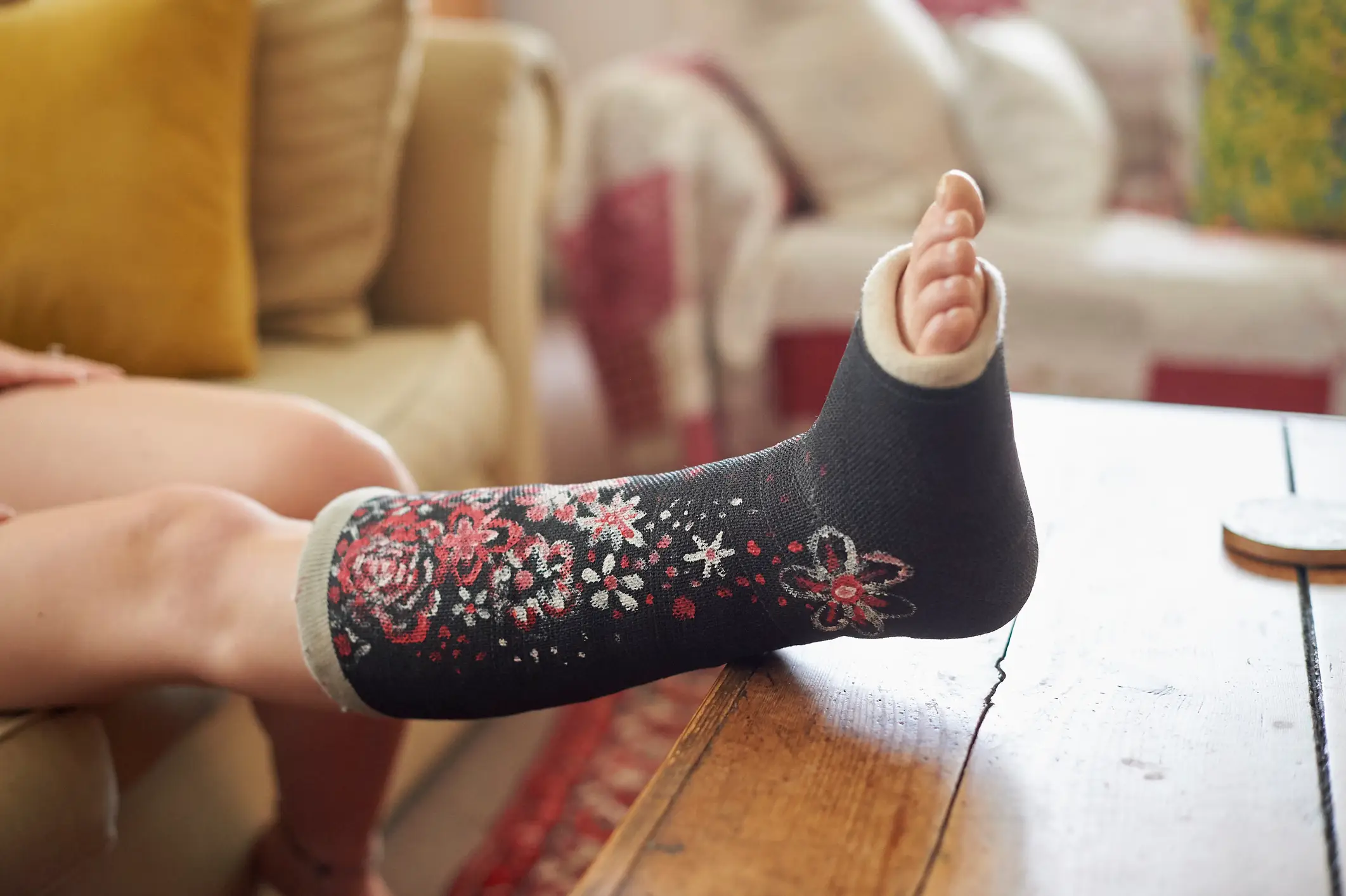
Videos on TikTok claim that emergency services even become more sympathetic if you report a broken bone and disclose that you haven't broken anything in the past, or that some people have endured enough emotional pain and so will not break bones in their life.
But is this all real, or are we being fed more lies from social media?
Who is more likely to break a bone?
There is currently no scientific evidence to back the theory up, and studies have actually even pointed towards the opposite being true. A 2015 paper showed that those experiencing hardship or mental health issues may actually have worse bone health, as children with fractured bones are usually in poorer households. The broken bones were most likely caused by falls, blunt trauma, or road accidents, and are usually found in children who experience abuse.
Those with major depressive disorder (MDD) were also found to be more at risk of getting osteoporosis, a health condition which weakens bones and therefore increases the likelihood of fractures, according to a 2021 study.
Mark Kopvacs, PhD, highlighted to Wellness Pulse that bone mass density (BMD) is the most important factor when it comes to bone health.
This peaks in your late 20s before declining, while those with depression often suffer with a poor diet and inactive lifestyle, which can contribute to a worsened BMD. Older adults and postmenopausal women are also at high risk.
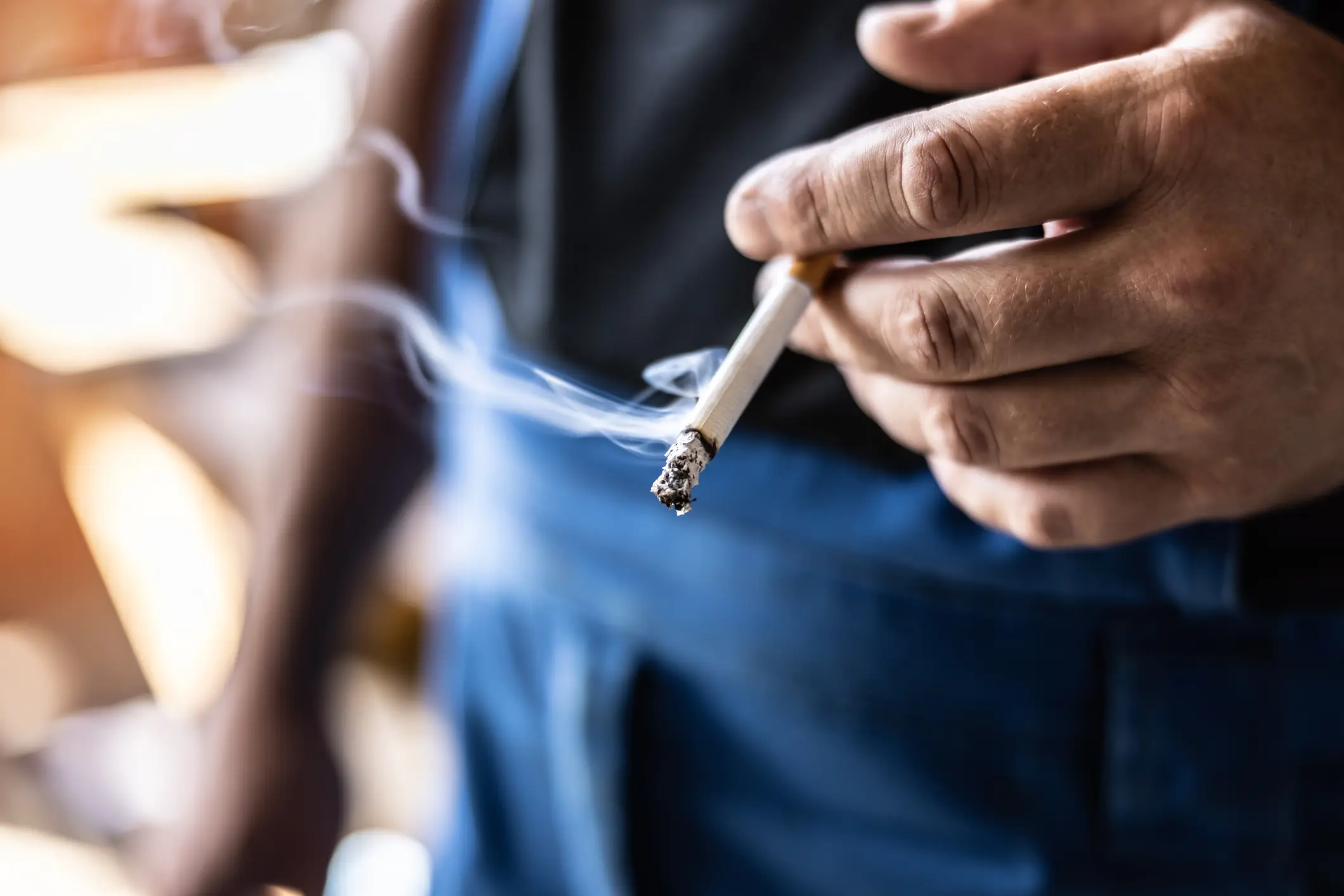
Bad habits such as alcoholism, cigarette smoking and physical inactivity can negatively impact the skeletal system.
Why do certain people break bones more often?
People with high BMD can still suffer broken bones, with a lower density simply raising the likelihood of fractures.
Doctors in the past have explained that genetics, age and lifestyle can play a factor, as Dr Suhail Hussain previously told LADbible: "Bone strength is largely inherited. That includes how dense your bones are, how well your body processes calcium, and even how your skeleton is built."
"Some of us are naturally more prone to thinner bones — and those can snap more easily under pressure," he said.
Dr Claire Merrifield, who also spoke to LADbible Group, spoke of age being a factor in women particularly: "As women go through menopause and lose the protective effect of oestrogen, bones become more brittle and can break from much less force, such as fall from small height."
Both health experts spoke of the importance of eating enough calcium and taking vitamin D in the winter when it comes to our diets, as well as exercising 'with force'.
This can be strength training, running, or dancing.
Dr Hussain highlighted: "Lifestyle plays a huge role in whether or not you’ll suffer a fracture one day. In fact, there is probably more you can do to protect yourself from this phenomenon than you realise."
Essentially, your unbroken bones could be due to your good health, genetics or lifestyle. Or, you could be really lucky.
Topics: Community, Conspiracy Theory, Health, TikTok
 Joshua Nair