ladbible homepage
ladbible homepage
  • Home
  • News
    • UK
    • US
    • World
    • Ireland
    • Australia
    • Science
    • Crime
    • Weather
  • Entertainment
    • Celebrity
    • TV
    • Film
    • Music
    • Gaming
    • Netflix
    • Disney
  • Sport
  • Technology
  • Travel
  • Lifestyle
  • Money
  • Originals
    • FFS PRODUCTIONS
    • Say Maaate to a Mate
    • Daily Ladness
    • UOKM8?
    • FreeToBe
    • Citizen Reef
  • Advertise
  • Terms
  • Privacy & Cookies
  • License Our Content
  • About Us & Contact
  • Jobs
  • Latest
  • Archive
  • Topics A-Z
  • Authors
Facebook
Instagram
X
Threads
Snapchat
TikTok
YouTube
Submit Your Content Here
  • SPORTbible
  • Tyla
  • GAMINGbible
  • LADbible Group
  • UNILAD
  • FOODbible
  • UNILAD Tech
Man who created 'world's largest sea-monkey colony' reveals what happens to his animals when they die
Home>Community>Weird
Updated 10:12 6 Sep 2024 GMT+1Published 17:49 5 Sep 2024 GMT+1

Man who created 'world's largest sea-monkey colony' reveals what happens to his animals when they die

The man, known as Sea-Monkey Dude, has numerous colonies in his home

Britt Jones

Britt Jones

google discoverFollow us on Google Discover

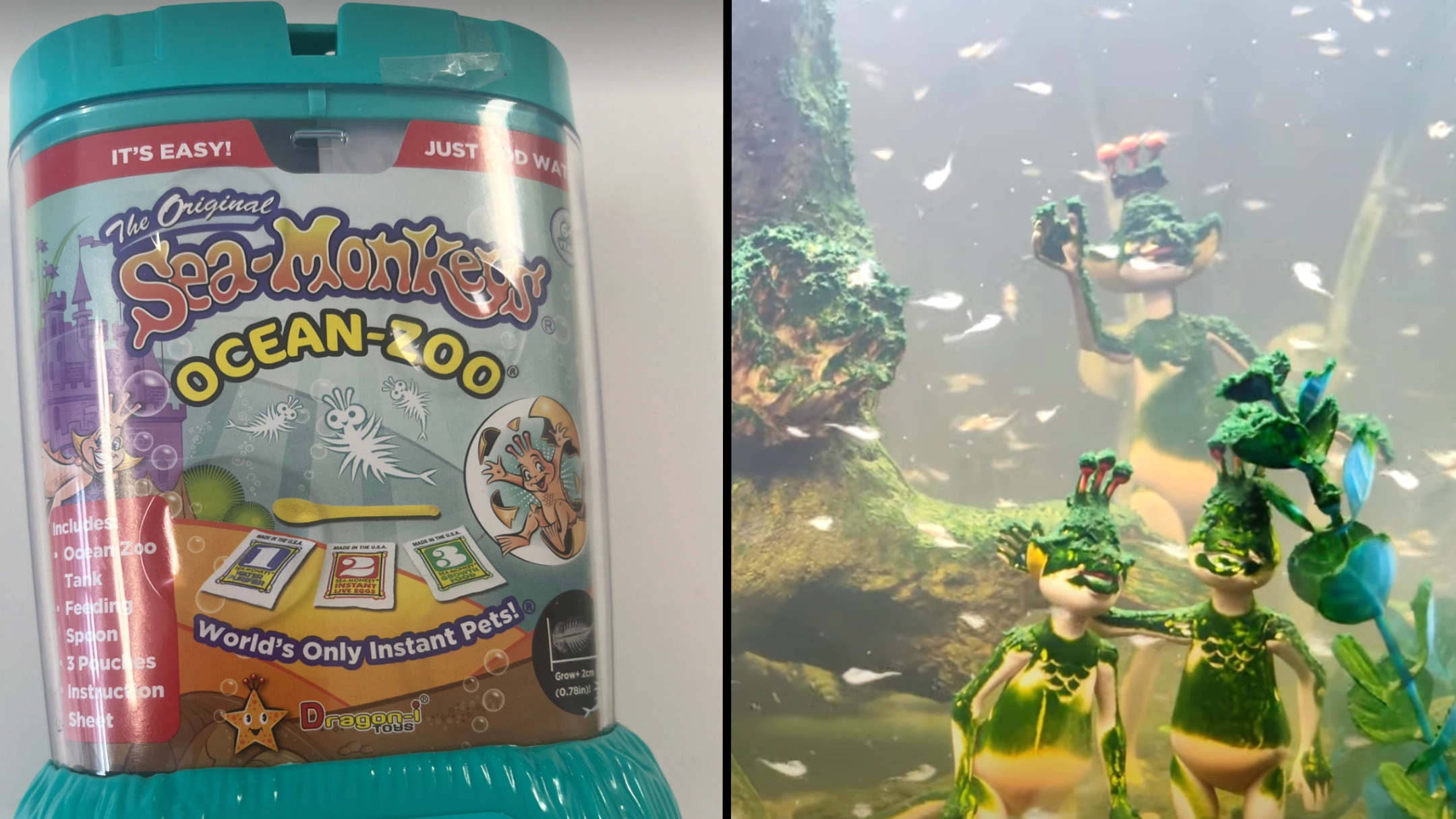
A man who created a gigantic sea-monkey colony has revealed exactly what happens to his little Jurassic pets when they die - and it’s kind of beautiful.

Okay, so we all know what sea-monkeys are, and that they look like strange little fossils in the water.

But you might not know that they are just brine shrimp.

These shrimp, known as Artemia, became the household pets we all know and love when they first developed and marketed in 1957 by US entrepreneur, Harold von Braunhut.

Advert

He came up with the idea to sell them as eggs in little packets where you can add in some bottled water to the tank and within days, you’ll have a tank full of swimming little shrimp.

Von Braunhut was able to create this mix by working with a marine biologist called Anthony D’Agostino, who helped develop the right nutrients and chemicals in dry form which would allow the shrimp to live well in a tank.
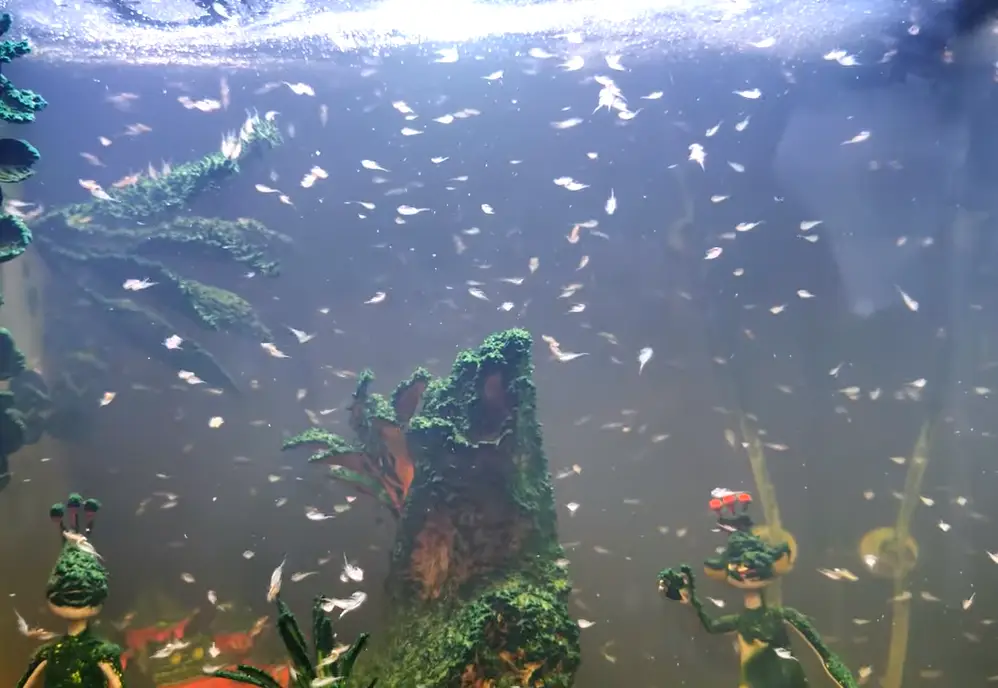
Sea Monkeys are little brine shrimp. (YouTube/ Sea-Monkey Dude)

Now, there aren’t too many adults who take part in the whole sea-monkey thing, but one guy has applied for the Guinness Book of World Records for his colony, which he thinks is ‘world’s largest’.

He might be right.

Known as Sea-Monkey Dude on YouTube, the man regularly updates his followers about how his creatures are doing, how they live and how he maintains their tank.

With thousands of the things in tanks and aquariums in his home, his stash is absolutely enormous.

But with that many lives comes with the inevitability that some will die.

When asked by a commenter underneath one of his update videos what happens to the sea-monkeys who die, replied that he lets nature take its course.

The person asked him: “What happens to all the Sea Monkeys that die? Do they float to the top and you take them out? Do they sink to the bottom and just decay?”
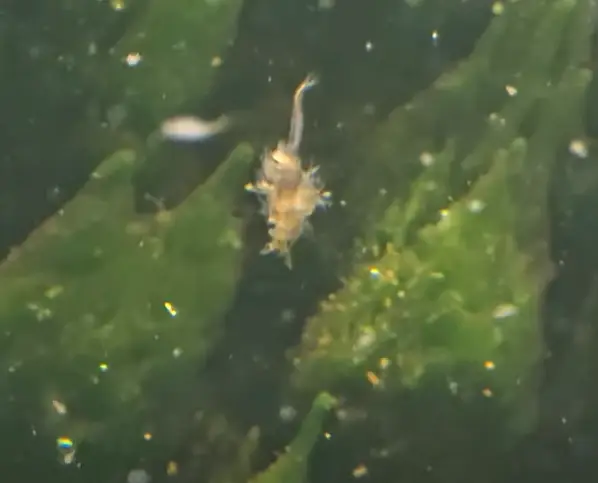
A poor dead Sea Monkey. (YouTube/ Sea-Monkey Dude)

He said: “They sink to the bottom and eventually turn to dust and become a part of the ecosystem.”

While sad, there’s a very good reason why he chooses to leave them be.

He explained in a recent update of his gigantic tank, where he zoomed in on a dead sea-monkey.

He explained: “That dead one over there, that's a bummer. I saw it earlier in the video but didn't call it out but, they die just like other pets.

“It's sad but it happens. People always ask me if they should remove the dead bodies, I don't, because when you've got thousands of them like I do that becomes a full-time job.

“Also, if you have deceased mature females, if she's got eggs, those eggs can still hatch and it's actually likely that they will so we can leave it in there.

“Bodies like this will sink down to the bottom and they'll decompose faster than you would think.”

He went on to say that they’ll ‘become dust’ and ‘part of the ecosystem’, and while it’s upsetting to see, that you need to remember that they aren’t like your traditional pets, as their lifespan is a lot shorter.

Featured Image Credit: LADbible/ SeaMonkeyDudeJon

Topics: Nostalgia, Weird, YouTube, Animals, Guinness World Record

Britt Jones
Britt Jones

Recommended reads

Student dies and two being treated in new meningitis outbreak GettyPam Grier makes candid sex confession as TV star admits she has 'three day long orgasms'Michael Tullberg/Getty ImagesMore than 900 bodies remain trapped in shipwreck at bottom of US oceanGetty StockMoment US press and Chinese security argue in chaotic scenesBBC

Advert

Choose your content:

16 days ago
17 days ago
19 days ago
  • Instagram/@no_limbs_
    16 days ago

    Woman with no limbs hits back at hate after answering question ‘everyone wants to know’ with husband

    Briel Adams-Wheatley said the days of her 'crying over comments' left by trolls are long behind her

    Community
  • Instagram/Lily Phillips
    17 days ago

    Lily Phillips' boyfriend has content boundary she can never cross after 101 men in a day challenge

    The 24-year-old OnlyFans star says her new boyfriend loves her 'not because' of her job and even left her a gift after a controversial shoot

    Community
  • Getty Stock Images
    19 days ago

    Eight signs your marriage is over including fantasy ‘all women have’

    Relationship expert Annalie Howling has seen many relationships come and go, which is why she knows how they end

    Community
  • LinkedIn
    19 days ago

    Multimillionaire forced to pay ex-wife £100 million after second life reveal

    Mikhail Kroupeev and Elena Kroupeeva married in 1988 and were together for 35 years

    Community
  • People say they can ‘punch through walls’ after trying ‘magic’ mushroom coffee
  • Man who visited 'world's most dangerous island' reveals the moment he thought he was 'screwed'
  • The world's tallest dog has died at the age of three
  • Doctor reveals surprising thing that happens to our brains when we die