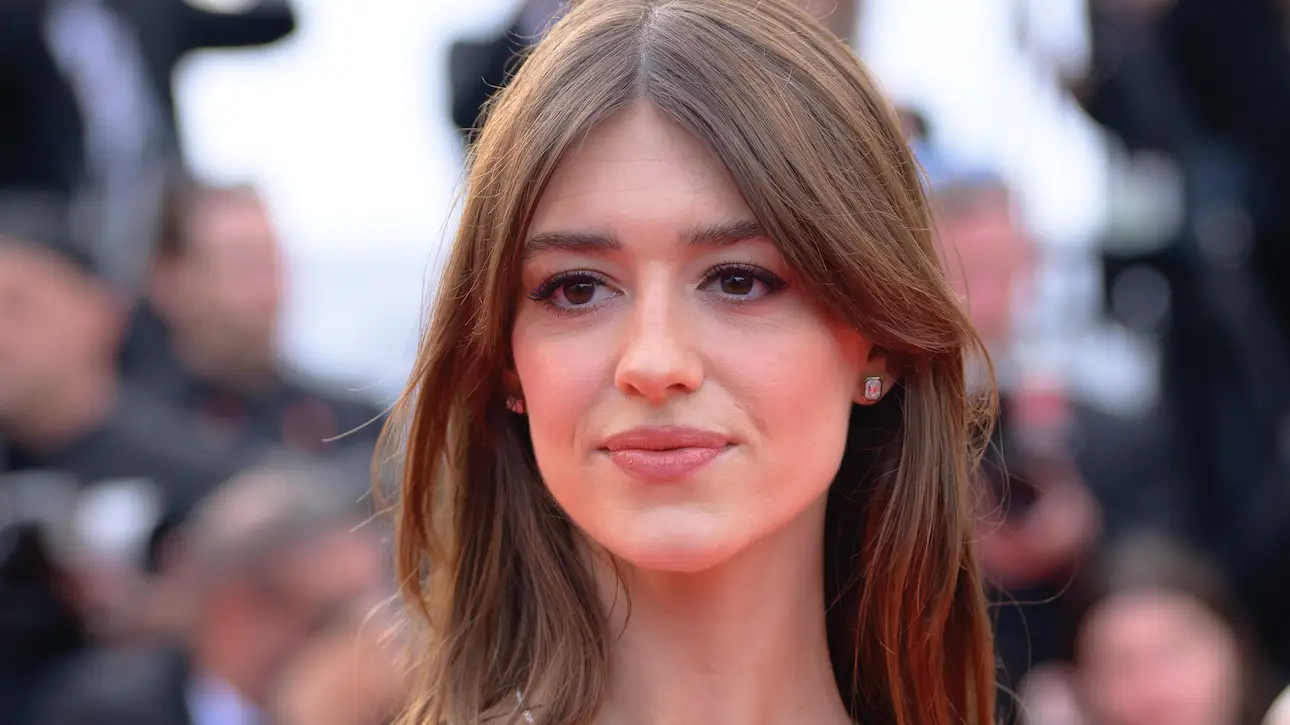
Normal People's Daisy Edgar-Jones opens up on baby fears following health battle

Normal People star Daisy Edgar-Jones opened up about the impact having endometriosis has had on her, as well as her hope it won't stop her from having children.
Endometriosis is a condition where cells similar to those in the lining of the uterus grow in other parts of the body, with it most often being found in areas around the pelvis, it affects millions of women around the world.
However, the NHS does say it can be found in other areas like the chest, and when these patches of cells break down and bleed but can't leave the body it causes serious pain.
Speaking to Vogue earlier this year, the 28-year-old opened up about being in pain from her late teens and when she was 20 her mum told her it wasn't a normal amount.
Advert
While she kept working and acting through the pain, saying that sometimes 'adrenaline' got her through it, she had an ultrasound at age 24 which confirmed the endometriosis.

There's no cure for it, only treatments that can help manage the pain, and Edgar-Jones said she really didn't want it to stop her from having a family.
She said: "It’s a chronic thing. I’ve been reading a lot about it and managing it, and it’s far less painful now than before.
"I have an anti-inflammatory diet, I don’t drink as much anymore. There is always a worry that it will come back. A big thing is struggling to have kids and I definitely don’t want it to get in the way of that.
"It affects so many women and many don’t know they have it. Of course cramping is normal but to be doubled over in pain isn’t. You shouldn’t have to grin and bear it."
The actor said she'd suffered from 'such painful periods' and 'volatile skin', describing her diagnosis as a 'relief' as she finally knew what was going on.

Most people who have endometriosis can get pregnant, but having it can mean a greater difficulty in getting pregnant and some women with the condition aren't able to conceive naturally.
Doctors have explained they can often miss the signs of endometriosis because it gets mistaken for something else and it's not until another medical opinion sees the same signs and realises what they are that a diagnosis goes ahead.
It can affect anyone who has a womb and there are surgeries available to remove areas affected by endometriosis.
The NHS says symptoms typically stop after the menopause.
 Joe Harker